
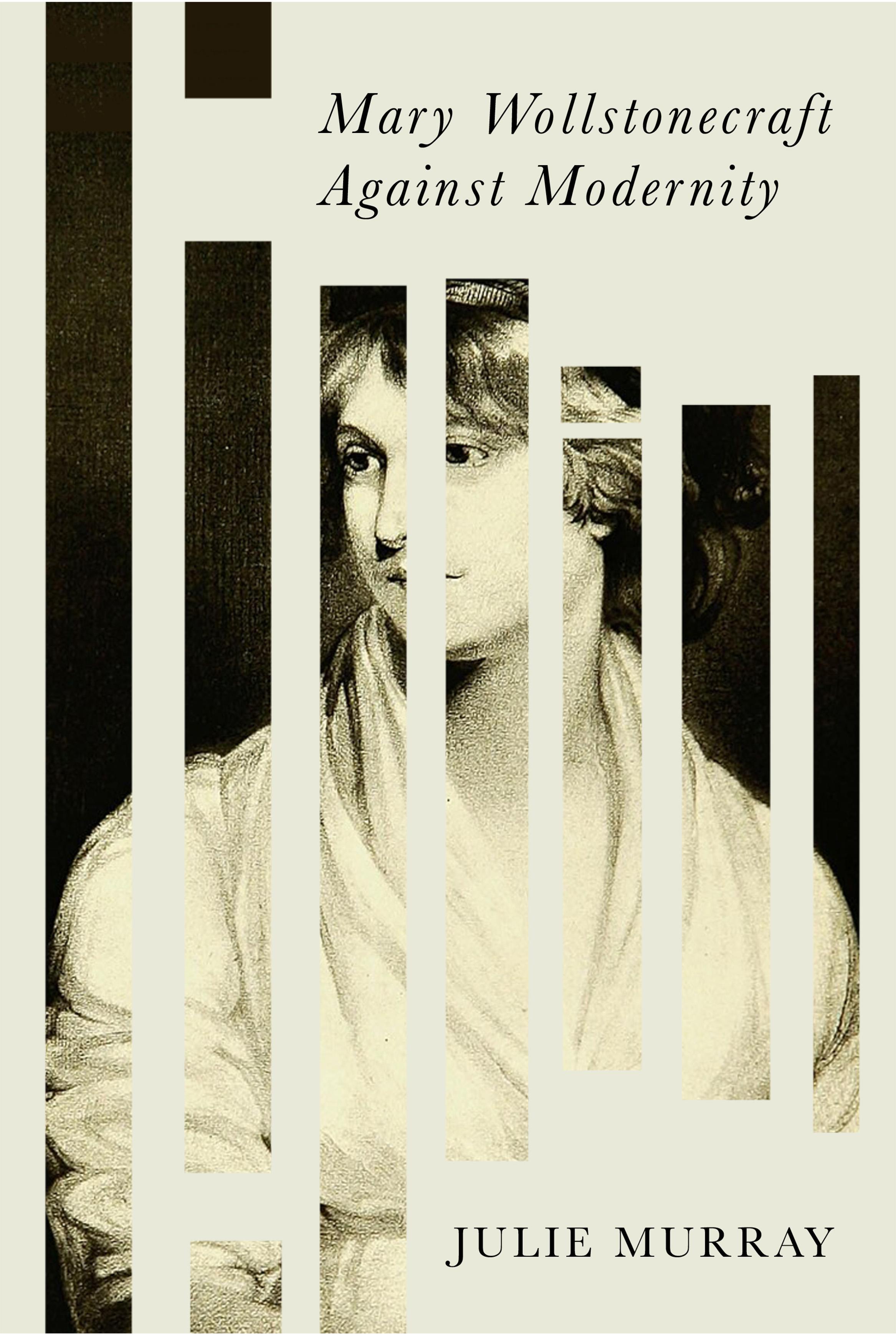
For many, Mary Wollstonecraft functions as Western feminism's indisputable origin point and anchor. Once scorned as scandalous, later rehabilitated by the Victorians as a figure of hardworking traditional femininity, Wollstonecraft is today incorporated into a story of feminism as the West's cherished export to the rest of the world.
With Wollstonecraft as its guide, this book argues that Western feminism and global modernity are not the natural intellectual and political allies they have long been made out to be, but have in fact been at odds for over two centuries. Julie Murray explores those aspects of Wollstonecraft's work that call us to understand modernity, and the form of white womanhood it celebrates, as a problem with which feminism must contend.
Refracting the history of feminism through the reception of Wollstonecraft's life and thought by contemporaries such as Mary Hays and Elizabeth Hamilton, as well as by twentieth-century thinkers like Hannah Arendt, Betty Friedan, Ruth Benedict, and Margaret Mead, Murray offers a potent critique of how liberal feminism tells celebratory tales of extraordinary women in part to manage its own contradictions. Reclaiming Wollstonecraft from the genre of female biography, this book ultimately finds her an astute critic of Western feminism itself.
Płać wygodnie kartą, Klarną, Apple Pay lub Google Pay. Nie jesteś zadowolony? Zawsze masz 14-dniową gwarancję zwrotu pieniędzy. Więcej przeczytasz w naszych warunkach. Masz pytania? Napisz do nas na hello@memmo.org.
Memmo ułatwia naukę – gdziekolwiek jesteś na świecie. U nas znajdziesz podręczniki i sprytne narzędzia do nauki w jednym miejscu: streszczenia, quizy, podcasty i fiszki. A do tego Ted, Twój kumpel do nauki, który odpowie na wszystko, co Cię nurtuje. Ponad 50 000 studentów już tu się uczy – stworzone, byś uczył się szybciej i mniej stresował.