
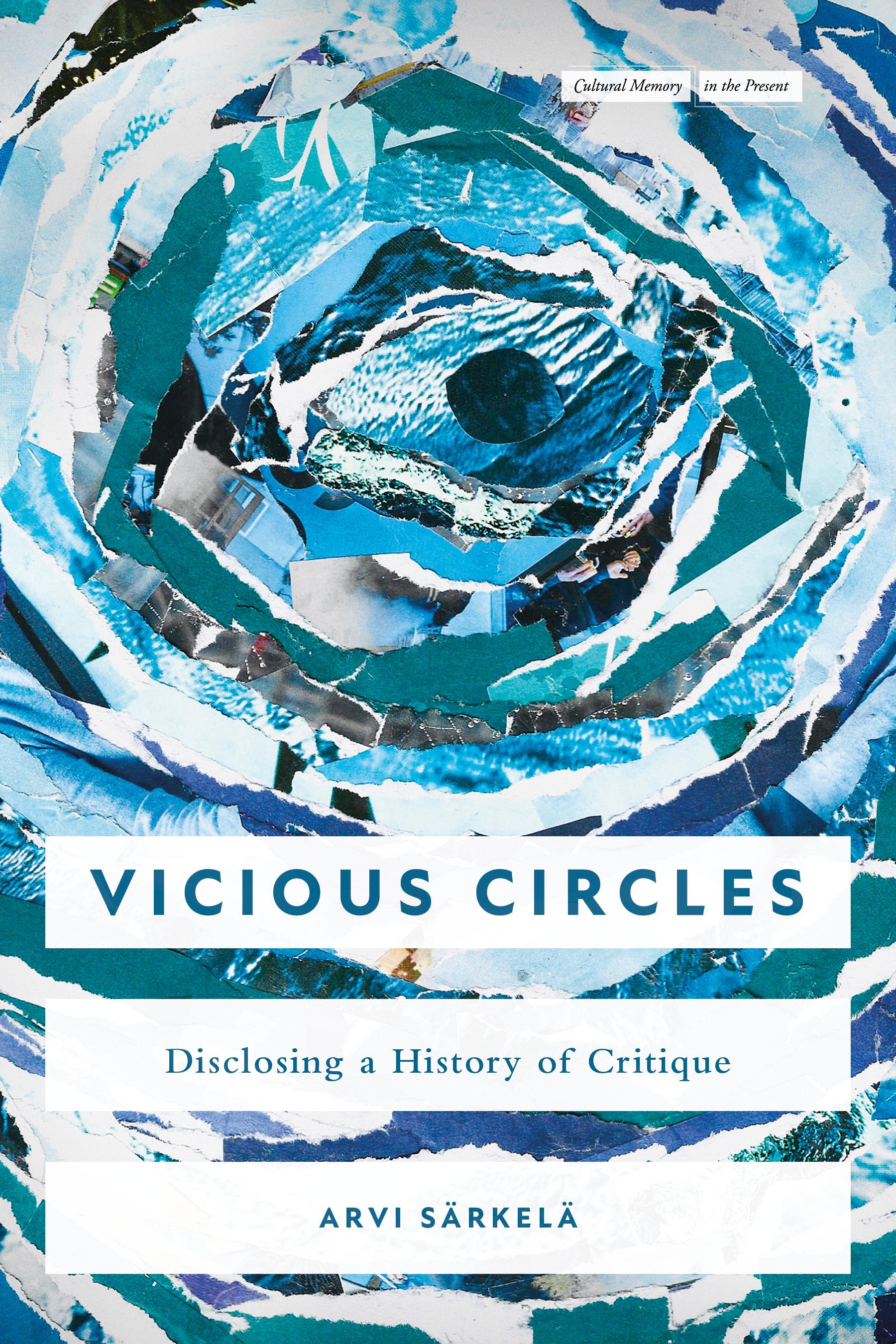
How can social critique respond to a catastrophic world? From Emerson to Adorno, a tradition of radical social critique has flourished that utilizes methods which disclose rather than judge the form of life: instead of trying to say what is wrong and what would be better, these criticisms seek to show how the world is false and to reveal how we might escape the vicious circles of present society—pointing out its catastrophic state and directing readers to the real possibilities for another form of life.
This book presents an incisive history of critical disclosure by looking at its common metaphors. As Särkelä illuminates, circular metaphors continually interact in the works of 19th- and 20th-century European and American authors including not just Emerson and Adorno, but also Nietzsche, Tarde, Freud, and Dewey. By reconstructing the driving examples of such disclosing critical gestures, Särkelä articulates their similarities and differences, and considers their potential for contemporary social critique. The result points the way toward the cultivation of critical skills relevant for our own age of catastrophe.
Płać wygodnie kartą, Klarną, Apple Pay lub Google Pay. Nie jesteś zadowolony? Zawsze masz 14-dniową gwarancję zwrotu pieniędzy. Więcej przeczytasz w naszych warunkach. Masz pytania? Napisz do nas na hello@memmo.org.
Memmo ułatwia naukę – gdziekolwiek jesteś na świecie. U nas znajdziesz podręczniki i sprytne narzędzia do nauki w jednym miejscu: streszczenia, quizy, podcasty i fiszki. A do tego Ted, Twój kumpel do nauki, który odpowie na wszystko, co Cię nurtuje. Ponad 50 000 studentów już tu się uczy – stworzone, byś uczył się szybciej i mniej stresował.