
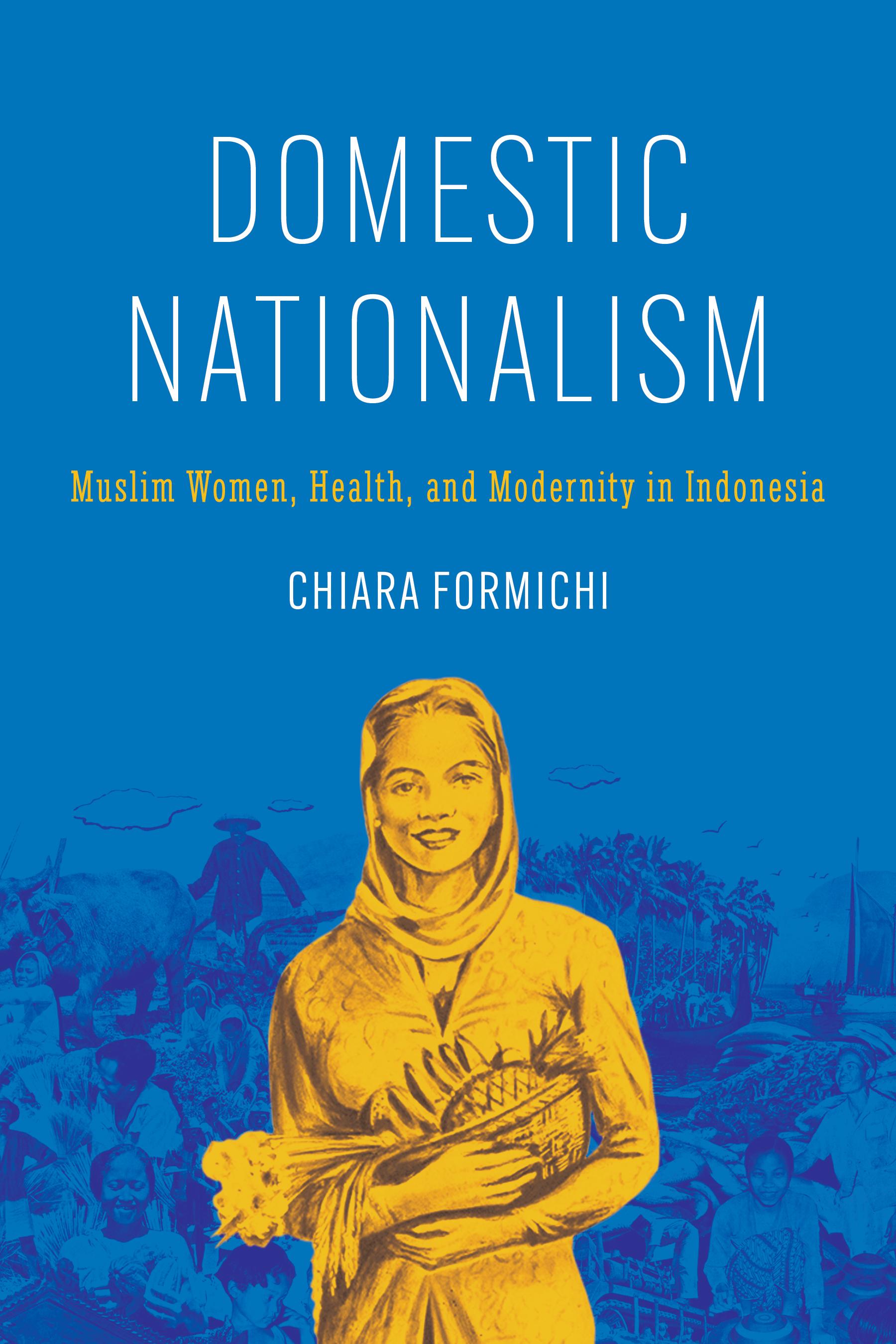
Chiara Formichi argues that Muslim women in Java and Sumatra, from the late 1910s to the 1950s, were central to Indonesia's progress as guardians and promoters of health and piety through gendered activities of care work. While sidelined in the Dutch colonial project of hygienic modernity, women's labor of social reproduction became increasingly visible. Women from all walks of life were called upon to fulfill domestic and motherly roles for the production and socialization of laborers, soldiers, and citizens. The medicalization of cleanliness, intersecting with multiple patriarchal orders, marginalized women's traditional influence and knowledge. However, leveraging the critical importance of infant care, cleanliness, and nutrition, women pushed against the boundaries imposed on them by the colonial and postcolonial state.
Largely absent from government archives, their words and acts are evident in vernacular magazines and visual sources drawn from official outreach, news and lifestyle media, and advertisements. Women writers rearticulated scientific mothering, nationalist maternalism, and Islamic ideals of motherhood to create a public voice through gendered care work. Domestic Nationalism proposes that as the modern Indonesian nation-state took shape capitalizing on the public function of mothering, so did homemaking become a crossroads of national and international approaches to development, blurring nonaligned self-reliance and global capitalist interests.
Płać wygodnie kartą, Klarną, Apple Pay lub Google Pay. Nie jesteś zadowolony? Zawsze masz 14-dniową gwarancję zwrotu pieniędzy. Więcej przeczytasz w naszych warunkach. Masz pytania? Napisz do nas na hello@memmo.org.
Memmo ułatwia naukę – gdziekolwiek jesteś na świecie. U nas znajdziesz podręczniki i sprytne narzędzia do nauki w jednym miejscu: streszczenia, quizy, podcasty i fiszki. A do tego Ted, Twój kumpel do nauki, który odpowie na wszystko, co Cię nurtuje. Ponad 50 000 studentów już tu się uczy – stworzone, byś uczył się szybciej i mniej stresował.