
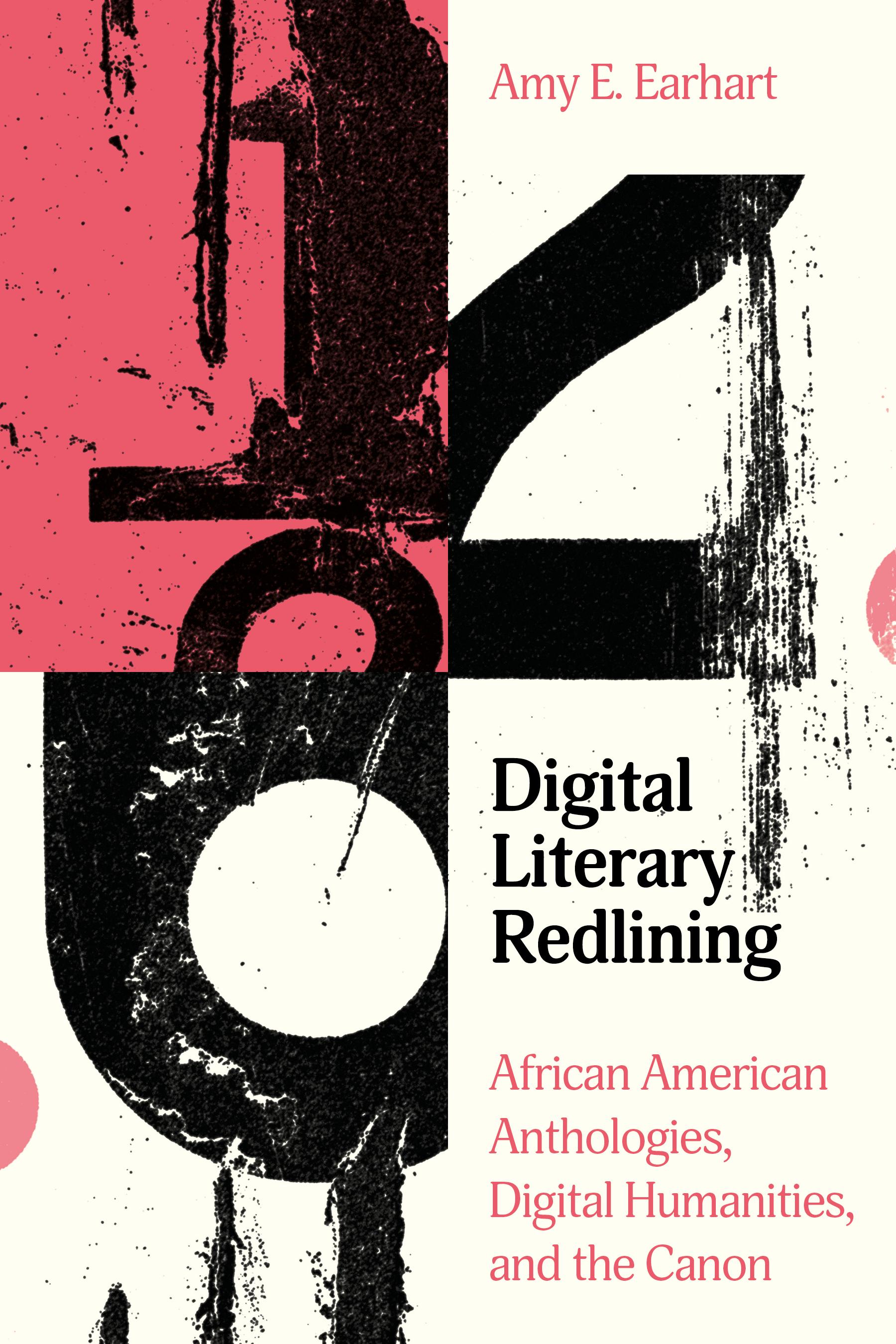
Though canon concerns seem to be a relic of 1990s academia, we are, once again, at a historical moment when there is resistance to teaching texts by writers of color and texts that deal with race, ethnicity and gender. At the same time, algorithmic bias scholars are locating systemic bias encoded into systems from policing software to housing software. Bringing these divergent areas together, Amy E. Earhart examines how technological and institutional infrastructures construct and deconstruct race, ethnicity and gender identities.
Focusing on two central infrastructures, the database, a commonly used technological infrastructure in the digital humanities, and the anthology, a scholarly and pedagogical infrastructure, Earhart considers how such seemingly naturalized infrastructures impact the representation and modeling of identity. The book draws upon the building and use of DALA, a collection of almost 100 years of generalist American and African American literature anthologies, constructed to investigate questions of identity and representation in literary anthologies and, by extension, the larger literary canon. The resulting examination, and its rigorous discussion of how identities are created and recreated within Black literary histories, has important implications for contemporary cultural and political debates about canon formation, literary scholarship, and the bias embedded in technological infrastructures.
Płać wygodnie kartą, Klarną, Apple Pay lub Google Pay. Nie jesteś zadowolony? Zawsze masz 14-dniową gwarancję zwrotu pieniędzy. Więcej przeczytasz w naszych warunkach. Masz pytania? Napisz do nas na hello@memmo.org.
Memmo ułatwia naukę – gdziekolwiek jesteś na świecie. U nas znajdziesz podręczniki i sprytne narzędzia do nauki w jednym miejscu: streszczenia, quizy, podcasty i fiszki. A do tego Ted, Twój kumpel do nauki, który odpowie na wszystko, co Cię nurtuje. Ponad 50 000 studentów już tu się uczy – stworzone, byś uczył się szybciej i mniej stresował.