
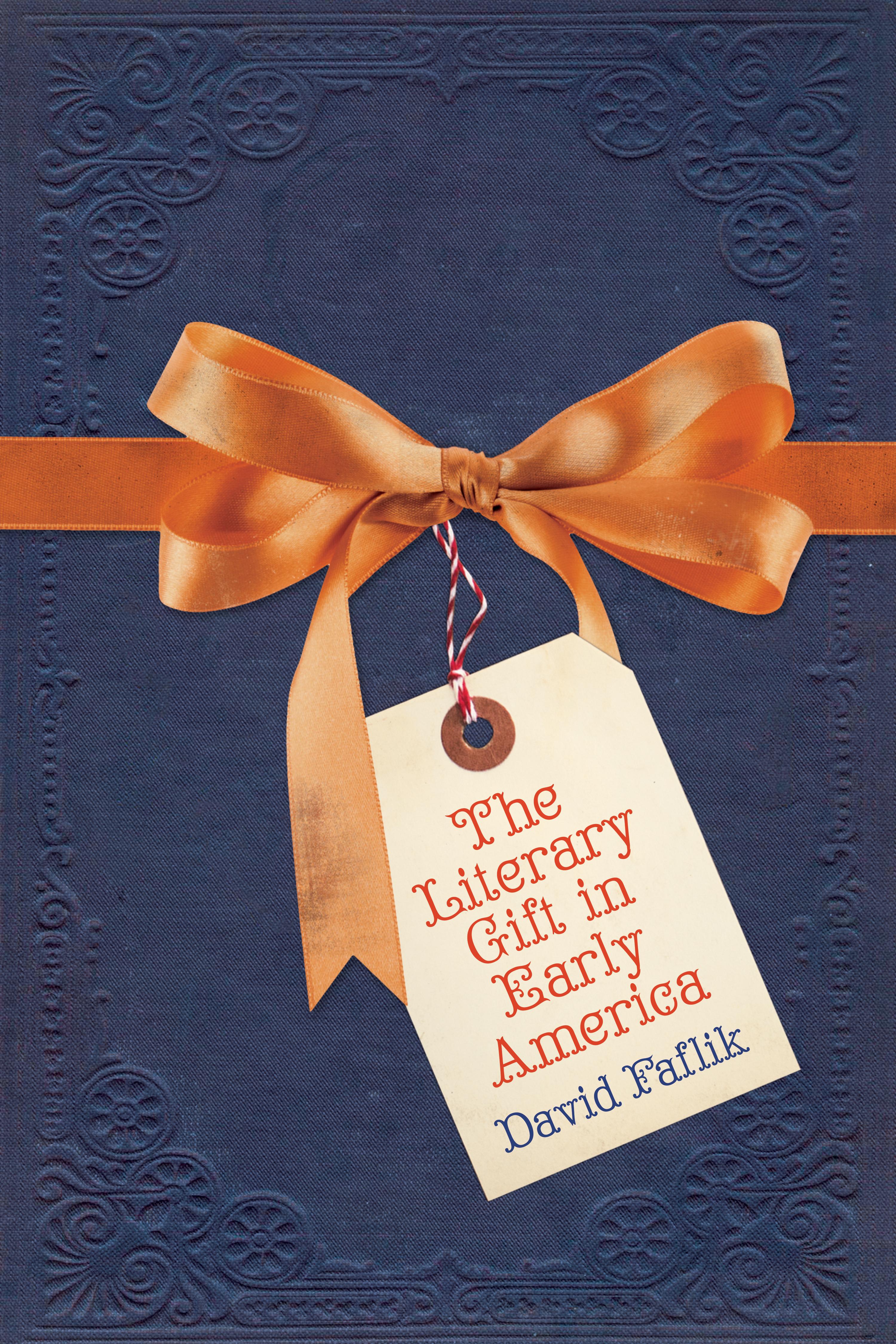
Some of the most meaningful moments in early American literature relied on historical patterns of gift exchange, David Faflik argues in this compelling book. Gift exchange kept a surprising variety of literary objects in circulation across the diverse societies, economies, and cultures of the Americas, from the seventeenth through the nineteenth centuries.
From the gifting of a Narragansett grammar as a foundational event in the project of colonization in New England, to the use of Benjamin Franklin's Poor Richard's Almanack in the classrooms of an independent Brazil, to Catharine Maria Sedgwick's fictions framing literature as the object of middle-class gifting, chapters offer an interdisciplinary perspective on book history and literary history in the United States and beyond. Faflik contends that it is because of the wild ways in which books circulated as gifts that works by Franklin, New England colonist Roger Williams, Sedgwick, Walt Whitman, and Emily Dickinson resisted the generic conventions of their day. Offering a revisionist account of how literary meaning is made, The Literary Gift in Early America calls for closer attention to the historical patterns of literary give and take in the Americas.
Płać wygodnie kartą, Klarną, Apple Pay lub Google Pay. Nie jesteś zadowolony? Zawsze masz 14-dniową gwarancję zwrotu pieniędzy. Więcej przeczytasz w naszych warunkach. Masz pytania? Napisz do nas na hello@memmo.org.
Memmo ułatwia naukę – gdziekolwiek jesteś na świecie. U nas znajdziesz podręczniki i sprytne narzędzia do nauki w jednym miejscu: streszczenia, quizy, podcasty i fiszki. A do tego Ted, Twój kumpel do nauki, który odpowie na wszystko, co Cię nurtuje. Ponad 50 000 studentów już tu się uczy – stworzone, byś uczył się szybciej i mniej stresował.