
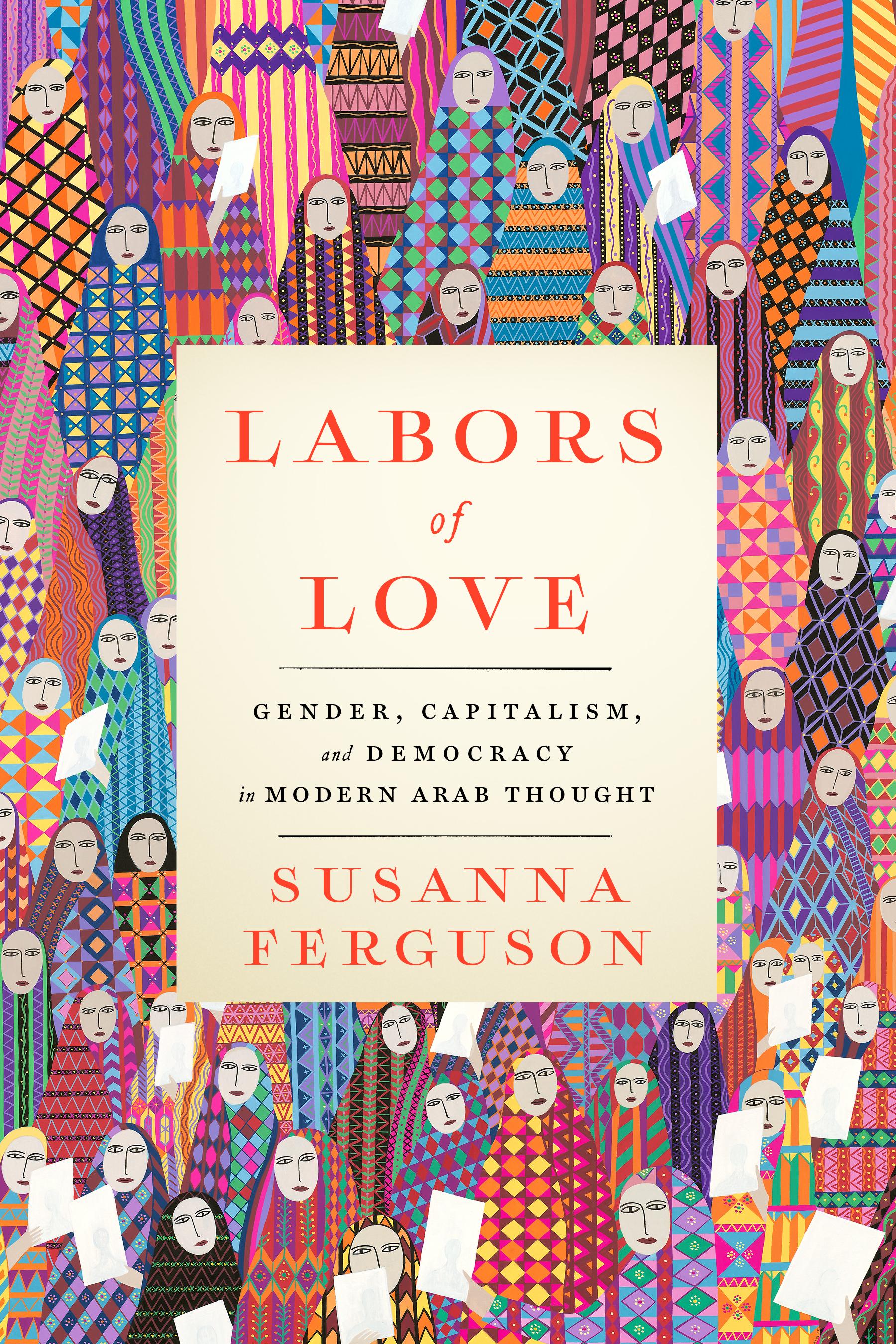
How to raise a child became a central concern of intellectual debate from Cairo to Beirut over the course of the late nineteenth and early twentieth centuries. Intimately linked with discussions around capitalism and democracy, considerations about women, gender, and childrearing emerged as essential to modern social theory. Arab writers, particularly women, made sex, the body, and women's ethical labor central to fending off European imperial advances, instituting representative politics, and managing social order.
Labors of Love traces the political power of motherhood and childrearing in Arabic thought. Susanna Ferguson reveals how debates around raising children became foundational to feminist, Islamist, and nationalist politics alike—opening up conversations about civilization, society, freedom, temporality, labor, and democracy. While these debates led to expansions in girls' education and women writers' authority, they also attached the fate of nations to women's unwaged labor in the home. Ferguson thus reveals why women and the family have been stumbling blocks for representative regimes around the world. She shows how Arab women's writing speaks to global questions—the devaluation of social reproduction under capitalism, the stubborn maleness of the liberal subject, and why the naturalization of embodied, binary gender difference has proven so difficult to overcome.
Płać wygodnie kartą, Klarną, Apple Pay lub Google Pay. Nie jesteś zadowolony? Zawsze masz 14-dniową gwarancję zwrotu pieniędzy. Więcej przeczytasz w naszych warunkach. Masz pytania? Napisz do nas na hello@memmo.org.
Memmo ułatwia naukę – gdziekolwiek jesteś na świecie. U nas znajdziesz podręczniki i sprytne narzędzia do nauki w jednym miejscu: streszczenia, quizy, podcasty i fiszki. A do tego Ted, Twój kumpel do nauki, który odpowie na wszystko, co Cię nurtuje. Ponad 50 000 studentów już tu się uczy – stworzone, byś uczył się szybciej i mniej stresował.