
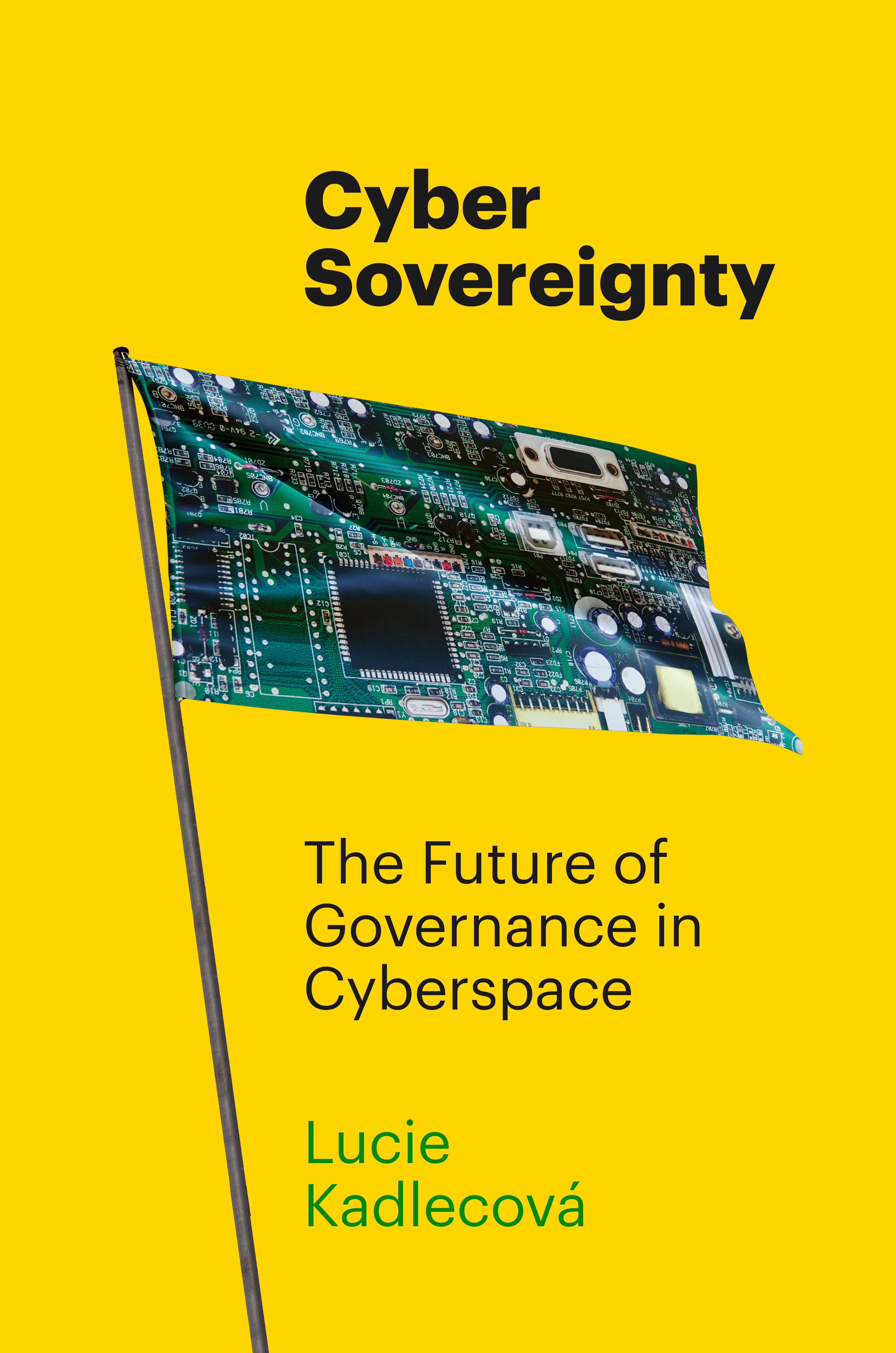
Governments across the globe find themselves in an exploratory phase as they probe the limits of their sovereignty in the cyber domain. Cyberspace is a singular environment that is forcing states to adjust their behavior to fit a new arena beyond the four traditional domains (air, sea, space, and land) to which the classic understanding of state sovereignty applies. According to Lucie Kadlecová, governments must implement a more adaptive approach to keep up with rapid developments and innovations in cyberspace in order to truly retain their sovereignty. This requires understanding the concept of sovereignty in a more creative and flexible manner.
Kadlecová argues that the existence of sovereignty in cyberspace is the latest remarkable stage in the evolution of this concept. Through a close study of the most advanced transatlantic cases of state sovereignty in cyberspace—the Netherlands, the US, Estonia, and Turkey—Cyber Sovereignty reveals how states have pursued new methods and tactics to fuel the distribution of authority and control in the cyber field, imaginatively combining modern technologies with legal frameworks. In times of booming competition over cyber governance between democracies and authoritarian regimes worldwide, cyber sovereignty is a major topic of interest, and concern, for the international community.
Płać wygodnie kartą, Klarną, Apple Pay lub Google Pay. Nie jesteś zadowolony? Zawsze masz 14-dniową gwarancję zwrotu pieniędzy. Więcej przeczytasz w naszych warunkach. Masz pytania? Napisz do nas na hello@memmo.org.
Memmo ułatwia naukę – gdziekolwiek jesteś na świecie. U nas znajdziesz podręczniki i sprytne narzędzia do nauki w jednym miejscu: streszczenia, quizy, podcasty i fiszki. A do tego Ted, Twój kumpel do nauki, który odpowie na wszystko, co Cię nurtuje. Ponad 50 000 studentów już tu się uczy – stworzone, byś uczył się szybciej i mniej stresował.