
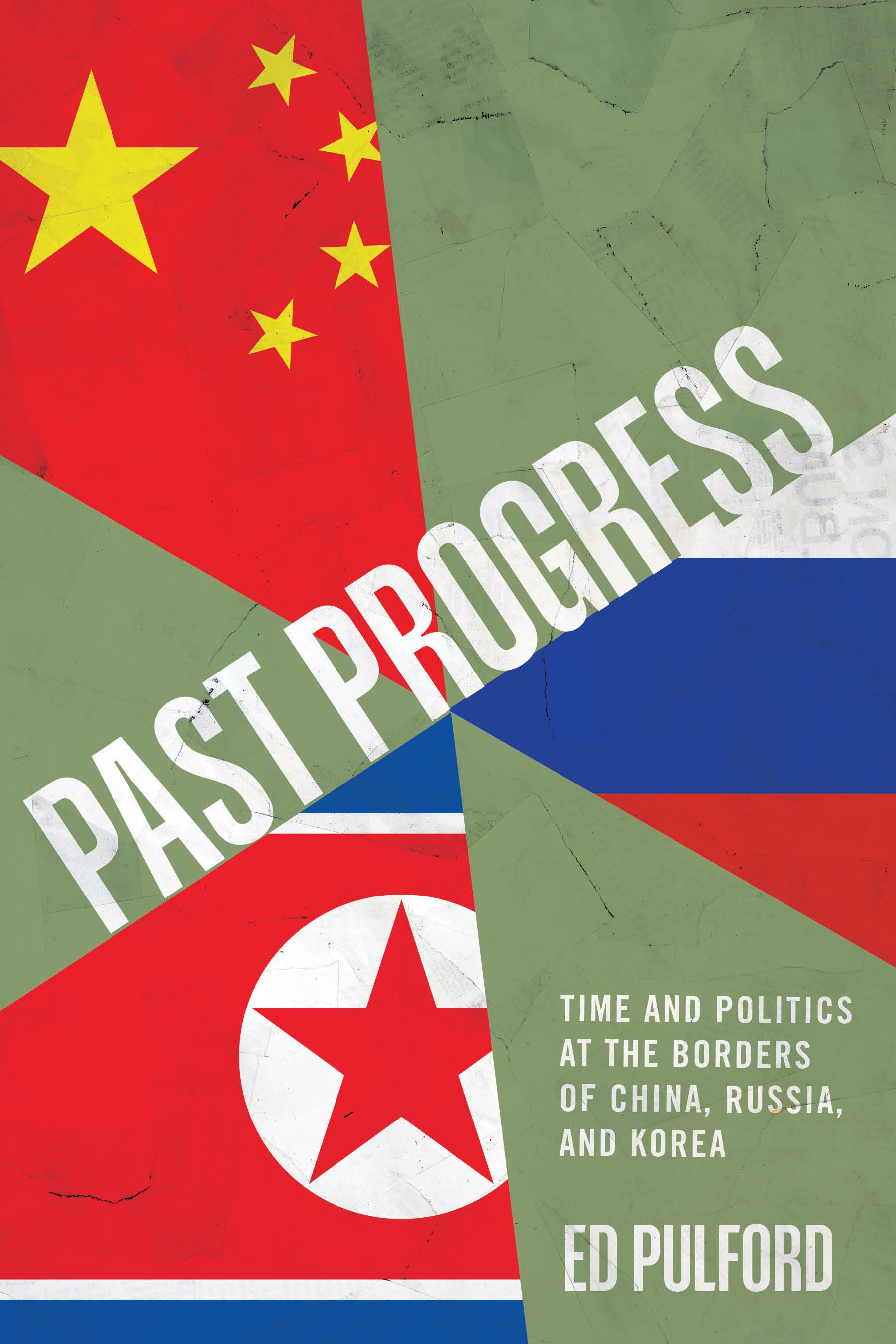
While anxiety abounds in the old Cold War West that progress – whether political or economic – has been reversed, for citizens of former-socialist countries, murky temporal trajectories are nothing new. Grounded in the multiethnic frontier town of Hunchun at the triple border of China, Russia, and North Korea, Ed Pulford traces how several of global history's most ambitiously totalizing progressive endeavors have ended in cataclysmic collapse here. From the Japanese empire which banished Qing, Tsarist, and Choson dynastic histories from the region, through Chinese, Soviet, and Korean socialisms, these borderlands have seen projections and disintegrations of forward-oriented ideas accumulate on a grand scale.
Taking an archaeological approach to notions of historical progress, the book's three parts follow an innovative structure moving backwards through linear time. Part I explores "post-historical" Hunchun's diverse sociopolitics since high socialism's demise. Part II covers the socialist era, discussing cross-border temporal synchrony between China, Russia, and North Korea. Finally, Part III treats the period preceding socialist revolutions, revealing how the collapse of Qing, Tsarist, and Choson dynasties marked a compound "end of history" which opened the area to projections of modernity and progress. Examining a borderland across linguistic, cultural, and historical lenses, Past Progress is a simultaneously local and transregional analysis of time, borders, and the state before, during, and since socialism.
Płać wygodnie kartą, Klarną, Apple Pay lub Google Pay. Nie jesteś zadowolony? Zawsze masz 14-dniową gwarancję zwrotu pieniędzy. Więcej przeczytasz w naszych warunkach. Masz pytania? Napisz do nas na hello@memmo.org.
Memmo ułatwia naukę – gdziekolwiek jesteś na świecie. U nas znajdziesz podręczniki i sprytne narzędzia do nauki w jednym miejscu: streszczenia, quizy, podcasty i fiszki. A do tego Ted, Twój kumpel do nauki, który odpowie na wszystko, co Cię nurtuje. Ponad 50 000 studentów już tu się uczy – stworzone, byś uczył się szybciej i mniej stresował.