
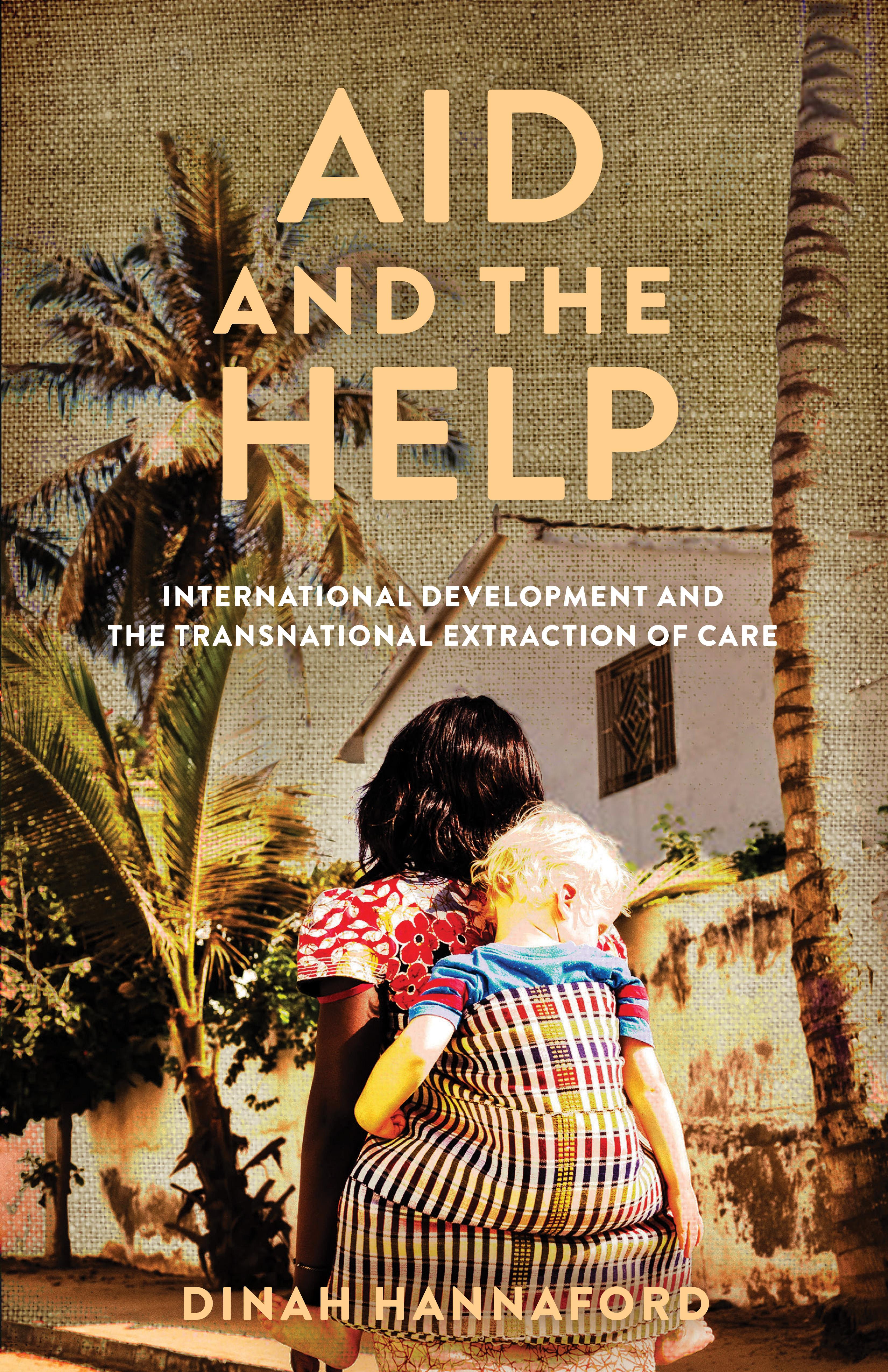
Hiring domestic workers is a routine part of the expat development lifestyle. Whether working for the United Nations, governmental aid agencies, or NGOs such as Oxfam, Save the Children, or World Vision, expatriate aid workers in the developing world employ maids, nannies, security guards, gardeners and chauffeurs. Though nearly every expat aid worker in the developing world has local people working within the intimate sphere of their homes, these relationships are seldom, if ever, discussed in analyses of the development paradigm and its praxis. Aid and the Help addresses this major lacuna through an ethnographic analysis of the intersection of development work and domestic work. Examining the reproductive labor cheaply purchased by aid workers posted overseas opens the opportunity to assess the multiple ways that the ostensibly "giving" industry of development can be an extractive industry as well.
Płać wygodnie kartą, Klarną, Apple Pay lub Google Pay. Nie jesteś zadowolony? Zawsze masz 14-dniową gwarancję zwrotu pieniędzy. Więcej przeczytasz w naszych warunkach. Masz pytania? Napisz do nas na hello@memmo.org.
Memmo ułatwia naukę – gdziekolwiek jesteś na świecie. U nas znajdziesz podręczniki i sprytne narzędzia do nauki w jednym miejscu: streszczenia, quizy, podcasty i fiszki. A do tego Ted, Twój kumpel do nauki, który odpowie na wszystko, co Cię nurtuje. Ponad 50 000 studentów już tu się uczy – stworzone, byś uczył się szybciej i mniej stresował.