
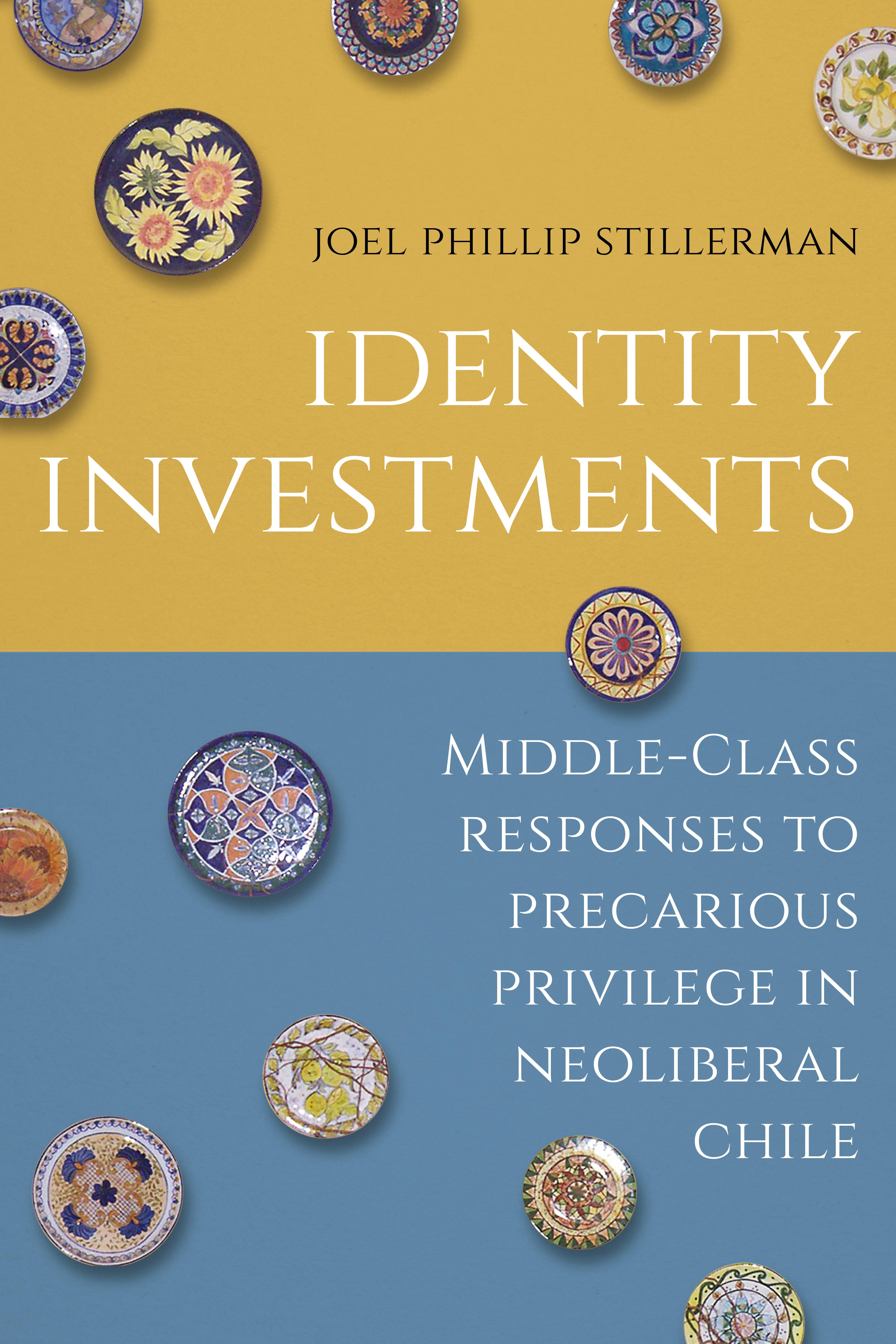
After Pinochet's dictatorship ended in Chile in 1990, the country experienced a rapid decline in poverty along with a quickly growing economy. As a result, Chile's middle class expanded dramatically, echoing trends seen across the Global South as neoliberalism took firm hold in the 1990s and the early 2000s. Identity Investments examines the politics and consumption practices of this vast and varied fraction of the Chilean population, seeking to better understand their value systems and the histories that informed them.
Using participant observation, interviews, and photographs, Joel Stillerman develops a unique typology of the middle class, made up of activists, moderate Catholics, pragmatists, and youngsters. This typology allows him to unearth the cultural, political, and religious roots of middle-class market practices in contrast with other studies focused on social mobility and exclusionary practices. The resultant contrast in backgrounds, experiences, and perspectives of these four groups animates this book and extends an emerging body of scholarship focused on the connections between middle-class market choices and politics in the Global South, with important implications for Chile's recent explosive political changes.
Płać wygodnie kartą, Klarną, Apple Pay lub Google Pay. Nie jesteś zadowolony? Zawsze masz 14-dniową gwarancję zwrotu pieniędzy. Więcej przeczytasz w naszych warunkach. Masz pytania? Napisz do nas na hello@memmo.org.
Memmo ułatwia naukę – gdziekolwiek jesteś na świecie. U nas znajdziesz podręczniki i sprytne narzędzia do nauki w jednym miejscu: streszczenia, quizy, podcasty i fiszki. A do tego Ted, Twój kumpel do nauki, który odpowie na wszystko, co Cię nurtuje. Ponad 50 000 studentów już tu się uczy – stworzone, byś uczył się szybciej i mniej stresował.