
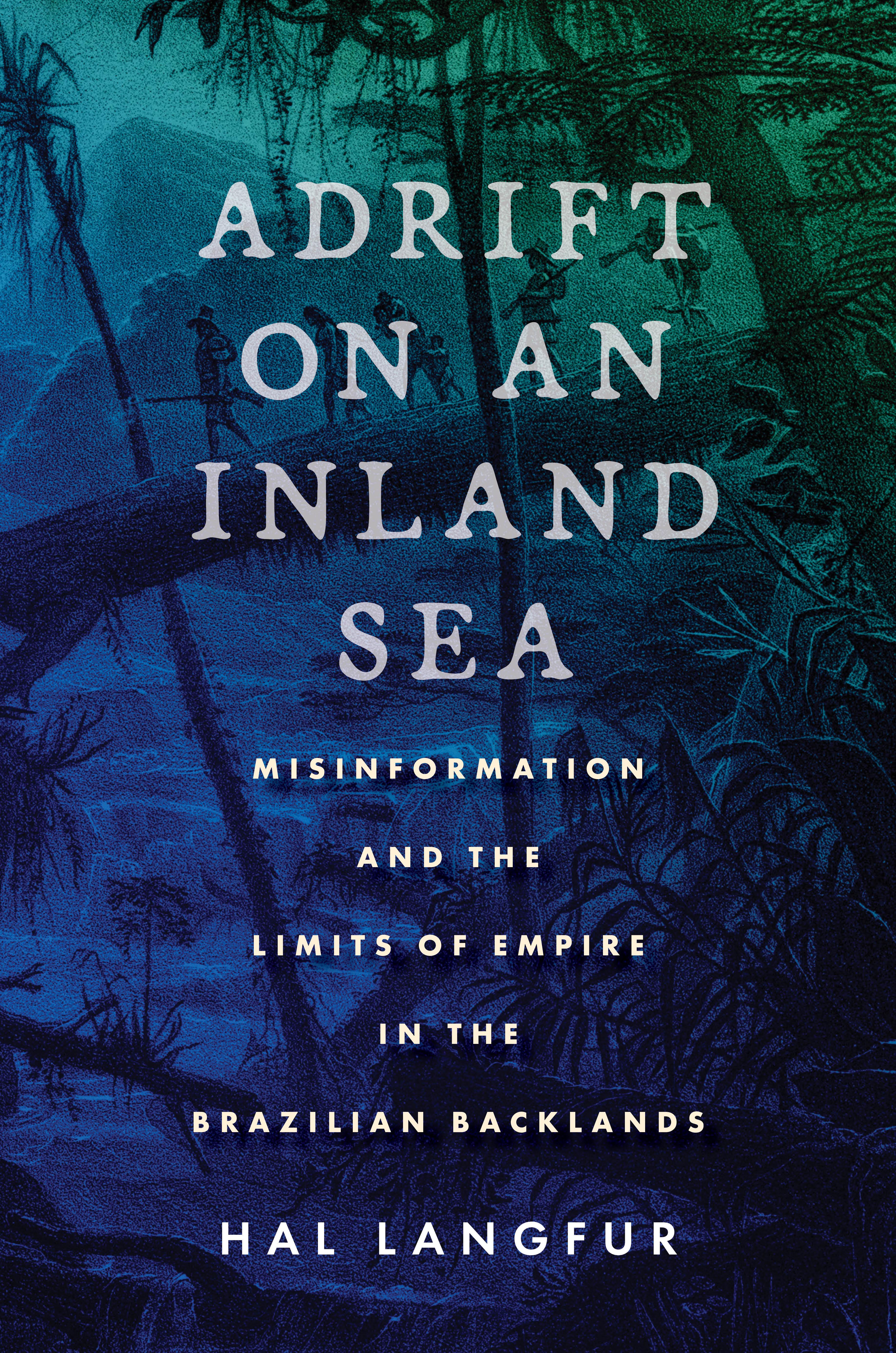
From 1750 until Brazil won its independence in 1822, the Portuguese crown sought to extend imperial control over the colony's immense, sea-like interior and exploit its gold and diamond deposits using enslaved labor. Carrying orders from Lisbon into the Brazilian backlands, elite vassals, soldiers, and scientific experts charged with exploring multiple frontier zones and establishing royal authority conducted themselves in ways that proved difficult for the crown to regulate. The overland expeditions they mounted in turn encountered actors operating beyond the state's purview: seminomadic Native peoples, runaway slaves, itinerant poor, and those deemed criminals, who eluded, defied, and reshaped imperial ambitions.
This book measures Portugal's transatlantic projection of power against a particular obstacle: imperial information-gathering, which produced a confusion of rumors, distortions, claims, conflicting reports, and disputed facts. Drawing on interdisciplinary scholarship in the fields of ethnohistory, slavery and diaspora studies, and legal and literary history, Hal Langfur considers how misinformation destabilized European sovereignty in the Americas, making a major contribution to histories of empire, frontiers and borderlands, knowledge production, and scientific exploration in the eighteenth and nineteenth centuries.
Płać wygodnie kartą, Klarną, Apple Pay lub Google Pay. Nie jesteś zadowolony? Zawsze masz 14-dniową gwarancję zwrotu pieniędzy. Więcej przeczytasz w naszych warunkach. Masz pytania? Napisz do nas na hello@memmo.org.
Memmo ułatwia naukę – gdziekolwiek jesteś na świecie. U nas znajdziesz podręczniki i sprytne narzędzia do nauki w jednym miejscu: streszczenia, quizy, podcasty i fiszki. A do tego Ted, Twój kumpel do nauki, który odpowie na wszystko, co Cię nurtuje. Ponad 50 000 studentów już tu się uczy – stworzone, byś uczył się szybciej i mniej stresował.