
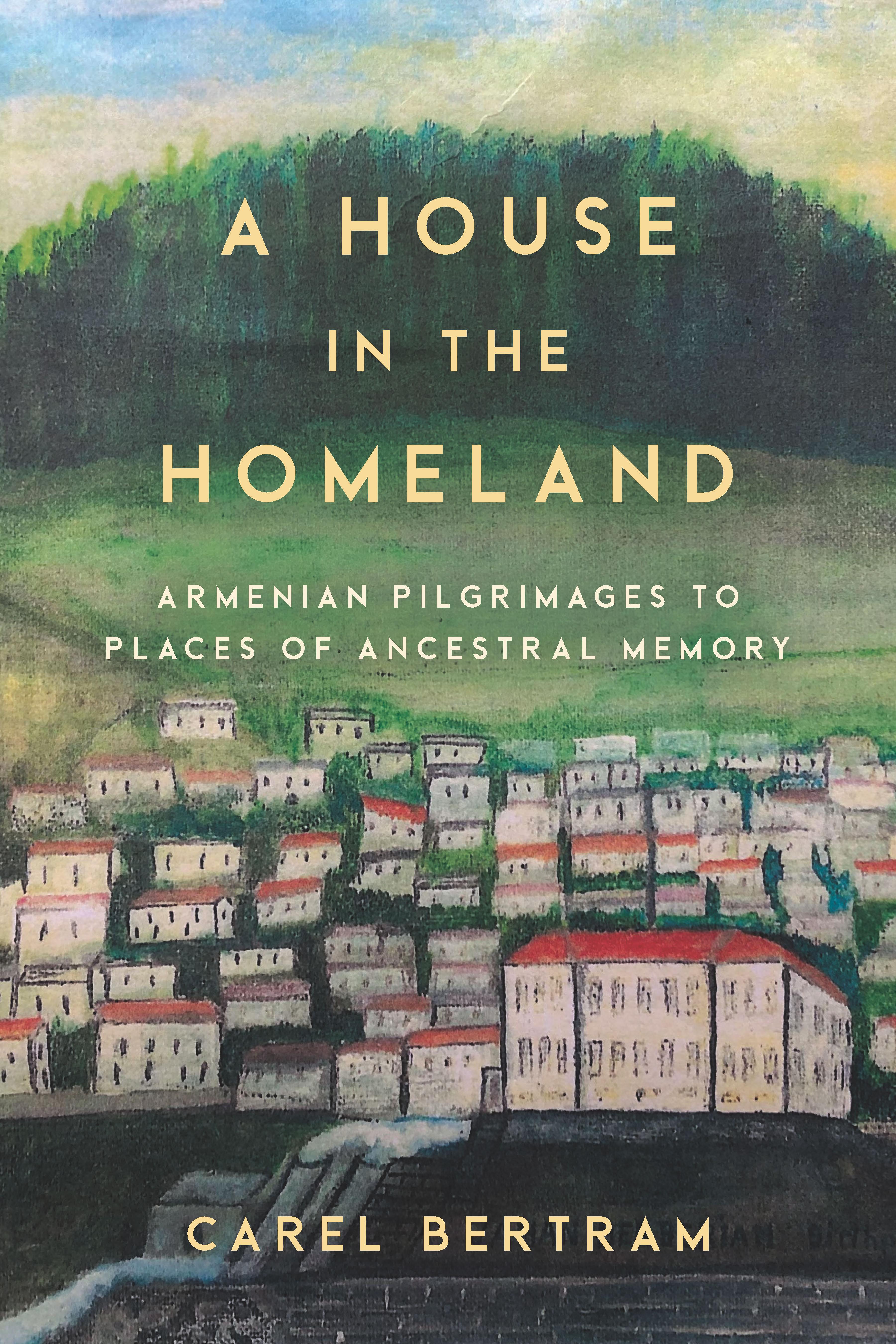
A powerful examination of soulful journeys made to recover memory and recuperate stolen pasts in the face of unspeakable histories.
Survivors of the Armenian Genocide of 1915 took refuge across the globe. Traumatized by unspeakable brutalities, the idea of returning to their homeland was unthinkable. But decades later, some children and grandchildren felt compelled to travel back, having heard stories of family wholeness in beloved homes and of cherished ancestral towns and villages once in Ottoman Armenia, today in the Republic of Turkey. Hoping to satisfy spiritual yearnings, this new generation called themselves pilgrims—and their journeys, pilgrimages.
Carel Bertram joined scores of these pilgrims on over a dozen pilgrimages, and amassed accounts from hundreds more who made these journeys. In telling their stories, A House in the Homeland documents how pilgrims encountered the ancestral house, village, or town as both real and metaphorical centerpieces of family history. Bertram recounts the moving, restorative connections pilgrims made, and illuminates how the ancestral house, as a spiritual place, offers an opening to a wellspring of humanity in sites that might otherwise be defined solely by tragic loss.
As an exploration of the powerful links between memory and place, house and homeland, rupture and continuity, these Armenian stories reflect the resilience of diaspora in the face of the savage reaches of trauma, separation, and exile in ways that each of us, whatever our history, can recognize.
Płać wygodnie kartą, Klarną, Apple Pay lub Google Pay. Nie jesteś zadowolony? Zawsze masz 14-dniową gwarancję zwrotu pieniędzy. Więcej przeczytasz w naszych warunkach. Masz pytania? Napisz do nas na hello@memmo.org.
Memmo ułatwia naukę – gdziekolwiek jesteś na świecie. U nas znajdziesz podręczniki i sprytne narzędzia do nauki w jednym miejscu: streszczenia, quizy, podcasty i fiszki. A do tego Ted, Twój kumpel do nauki, który odpowie na wszystko, co Cię nurtuje. Ponad 50 000 studentów już tu się uczy – stworzone, byś uczył się szybciej i mniej stresował.