
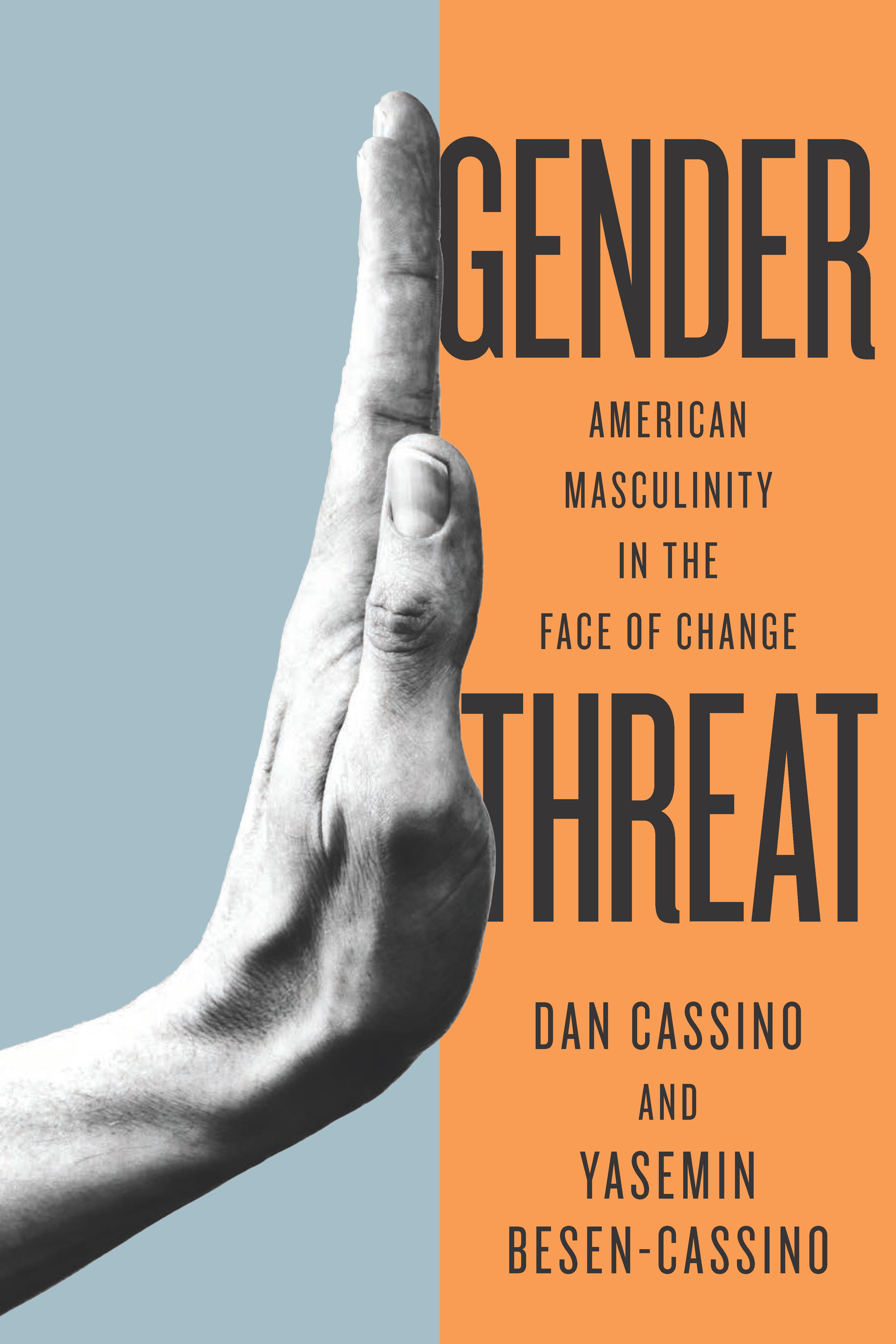
Against all evidence to the contrary, American men have come to believe that the world is tilted – economically, socially, politically – against them. A majority of men across the political spectrum feel that they face some amount of discrimination because of their sex. The authors of Gender Threat look at what reasoning lies behind their belief and how they respond to it. Many feel that there is a limited set of socially accepted ways for men to express their gender identity, and when circumstances make it difficult or impossible for them to do so, they search for another outlet to compensate. Sometimes these behaviors are socially positive, such as placing a greater emphasis on fatherhood, but other times they can be maladaptive, as in the case of increased sexual harassment at work. These trends have emerged, notably, since the Great Recession of 2008-09. Drawing on multiple data sources, the authors find that the specter of threats to their gender identity has important implications for men's behavior. Importantly, younger men are more likely to turn to nontraditional compensatory behaviors, such as increased involvement in cooking, parenting, and community leadership, suggesting that the conception of masculinity is likely to change in the decades to come.
Płać wygodnie kartą, Klarną, Apple Pay lub Google Pay. Nie jesteś zadowolony? Zawsze masz 14-dniową gwarancję zwrotu pieniędzy. Więcej przeczytasz w naszych warunkach. Masz pytania? Napisz do nas na hello@memmo.org.
Memmo ułatwia naukę – gdziekolwiek jesteś na świecie. U nas znajdziesz podręczniki i sprytne narzędzia do nauki w jednym miejscu: streszczenia, quizy, podcasty i fiszki. A do tego Ted, Twój kumpel do nauki, który odpowie na wszystko, co Cię nurtuje. Ponad 50 000 studentów już tu się uczy – stworzone, byś uczył się szybciej i mniej stresował.