
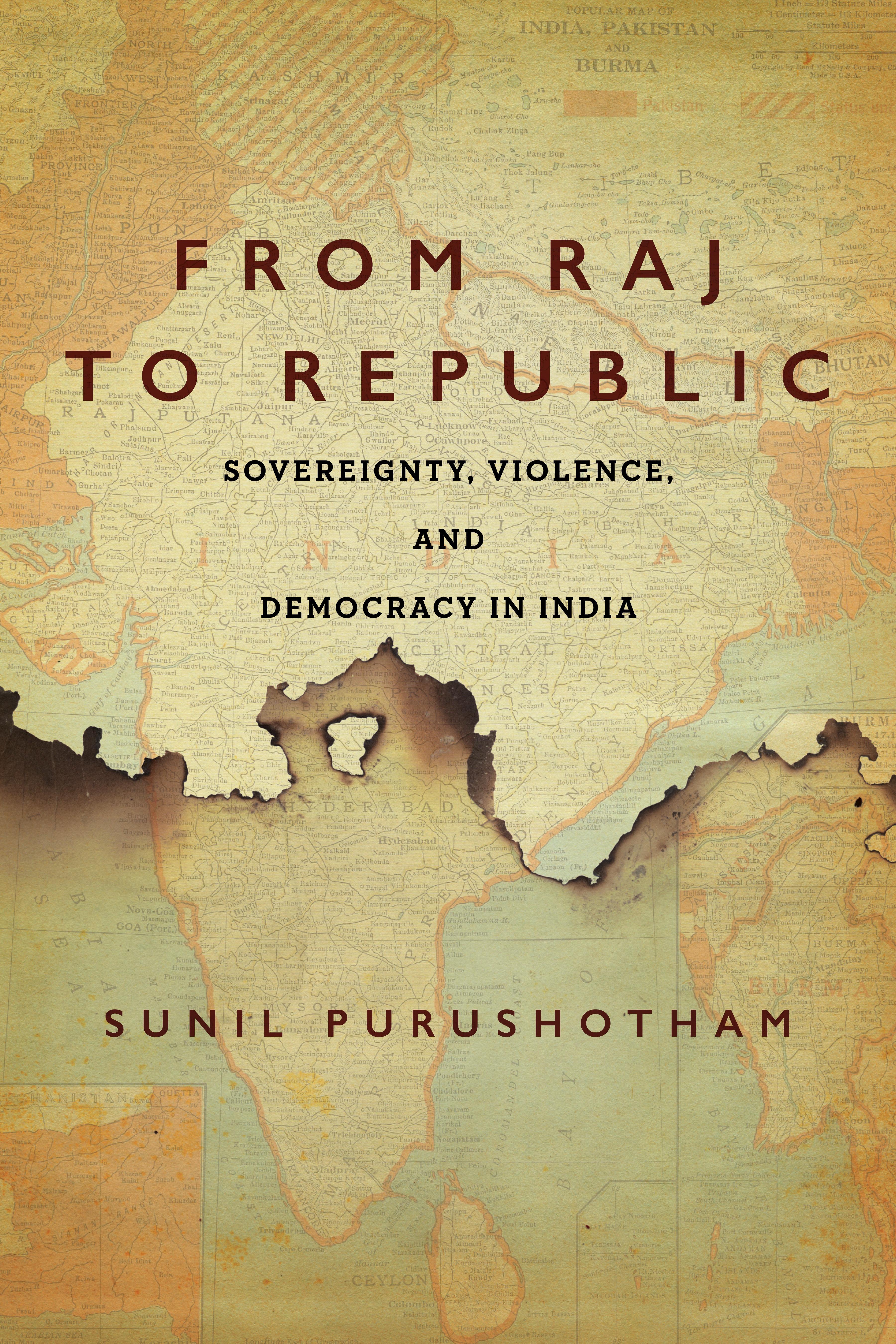
Between 1946 and 1952, the British Raj, the world's largest colony, was transformed into the Republic of India, the world's largest democracy. Independence, the Constituent Assembly Debates, the founding of the Republic, and India's first universal franchise general election occurred amidst the violence and displacement of the Partition, the uncertain and contested integration of the princely states, and the forceful quelling of internal dissent. This book investigates the ways in which these violent conjunctures constituted a postcolonial regime of sovereignty and shaped the historical development of democracy in India at the foundational moment of decolonization and national independence. From Raj to Republic presents a multifaceted history of sovereignty and democracy in India by linking together the princely state of Hyderabad's attempt to establish itself as an independent sovereign state, the partitioning of Punjab, and the communist-led revolutionary movement in the southern Indian region of Telangana. A national, territorial, republican, and liberal polity in India emerged out of a violent and contested process that forged new power relations and opened up historical trajectories with lasting consequences for modern India.
Płać wygodnie kartą, Klarną, Apple Pay lub Google Pay. Nie jesteś zadowolony? Zawsze masz 14-dniową gwarancję zwrotu pieniędzy. Więcej przeczytasz w naszych warunkach. Masz pytania? Napisz do nas na hello@memmo.org.
Memmo ułatwia naukę – gdziekolwiek jesteś na świecie. U nas znajdziesz podręczniki i sprytne narzędzia do nauki w jednym miejscu: streszczenia, quizy, podcasty i fiszki. A do tego Ted, Twój kumpel do nauki, który odpowie na wszystko, co Cię nurtuje. Ponad 50 000 studentów już tu się uczy – stworzone, byś uczył się szybciej i mniej stresował.