
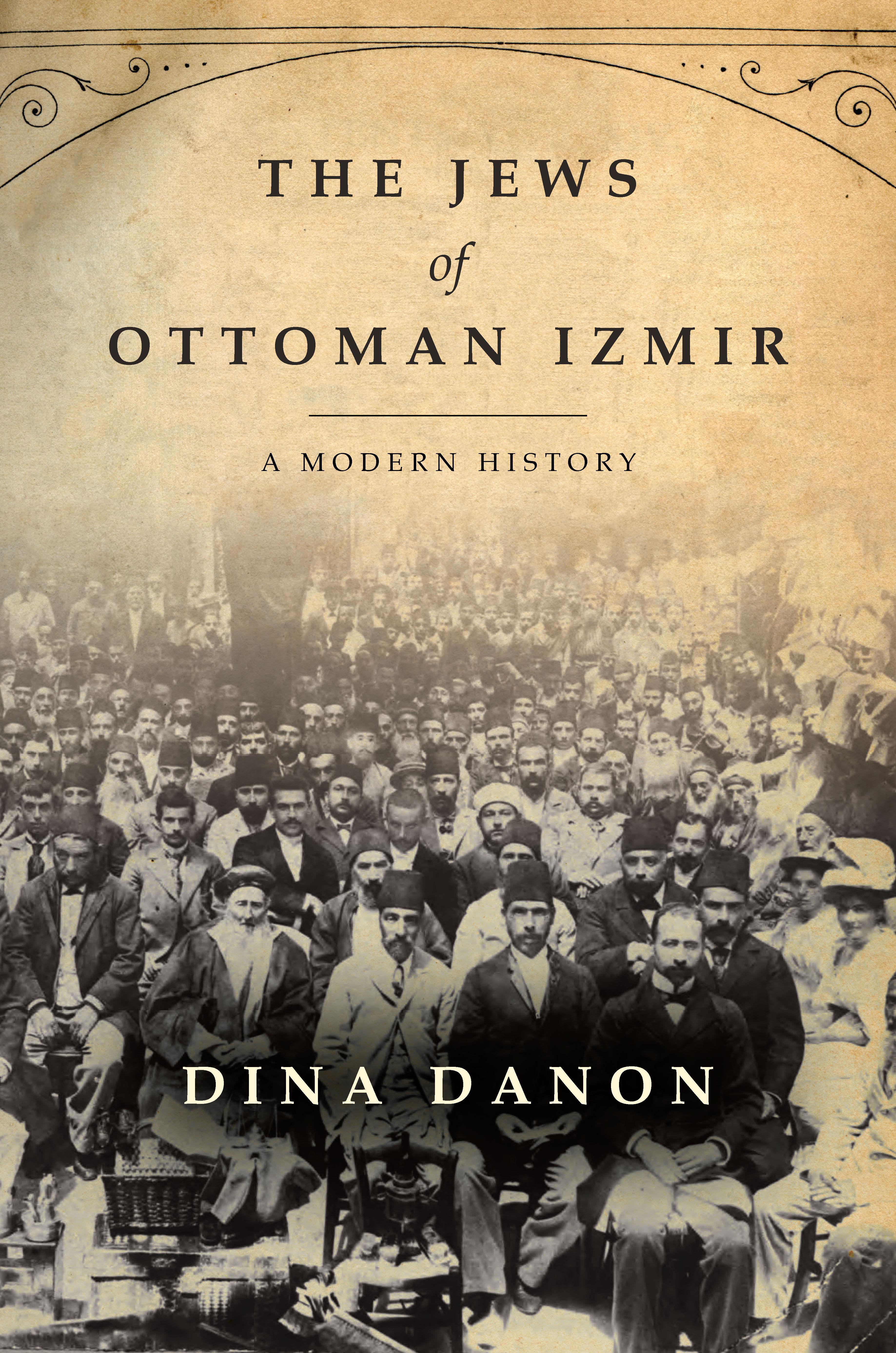
By the turn of the twentieth century, the eastern Mediterranean port city of Izmir had been home to a vibrant and substantial Sephardi Jewish community for over four hundred years, and had emerged as a major center of Jewish life. The Jews of Ottoman Izmir tells the story of this long overlooked Jewish community, drawing on previously untapped Ladino archival material.
Across Europe, Jews were often confronted with the notion that their religious and cultural distinctiveness was somehow incompatible with the modern age. Yet the view from Ottoman Izmir invites a different approach: what happens when Jewish difference is totally unremarkable? Dina Danon argues that while Jewish religious and cultural distinctiveness might have remained unquestioned in this late Ottoman port city, other elements of Jewish identity emerged as profound sites of tension, most notably those of poverty and social class. Through the voices of both beggars on the street and mercantile elites, shoe-shiners and newspaper editors, rabbis and housewives, this book argues that it was new attitudes to poverty and class, not Judaism, that most significantly framed this Sephardi community's encounter with the modern age.
Płać wygodnie kartą, Klarną, Apple Pay lub Google Pay. Nie jesteś zadowolony? Zawsze masz 14-dniową gwarancję zwrotu pieniędzy. Więcej przeczytasz w naszych warunkach. Masz pytania? Napisz do nas na hello@memmo.org.
Memmo ułatwia naukę – gdziekolwiek jesteś na świecie. U nas znajdziesz podręczniki i sprytne narzędzia do nauki w jednym miejscu: streszczenia, quizy, podcasty i fiszki. A do tego Ted, Twój kumpel do nauki, który odpowie na wszystko, co Cię nurtuje. Ponad 50 000 studentów już tu się uczy – stworzone, byś uczył się szybciej i mniej stresował.