
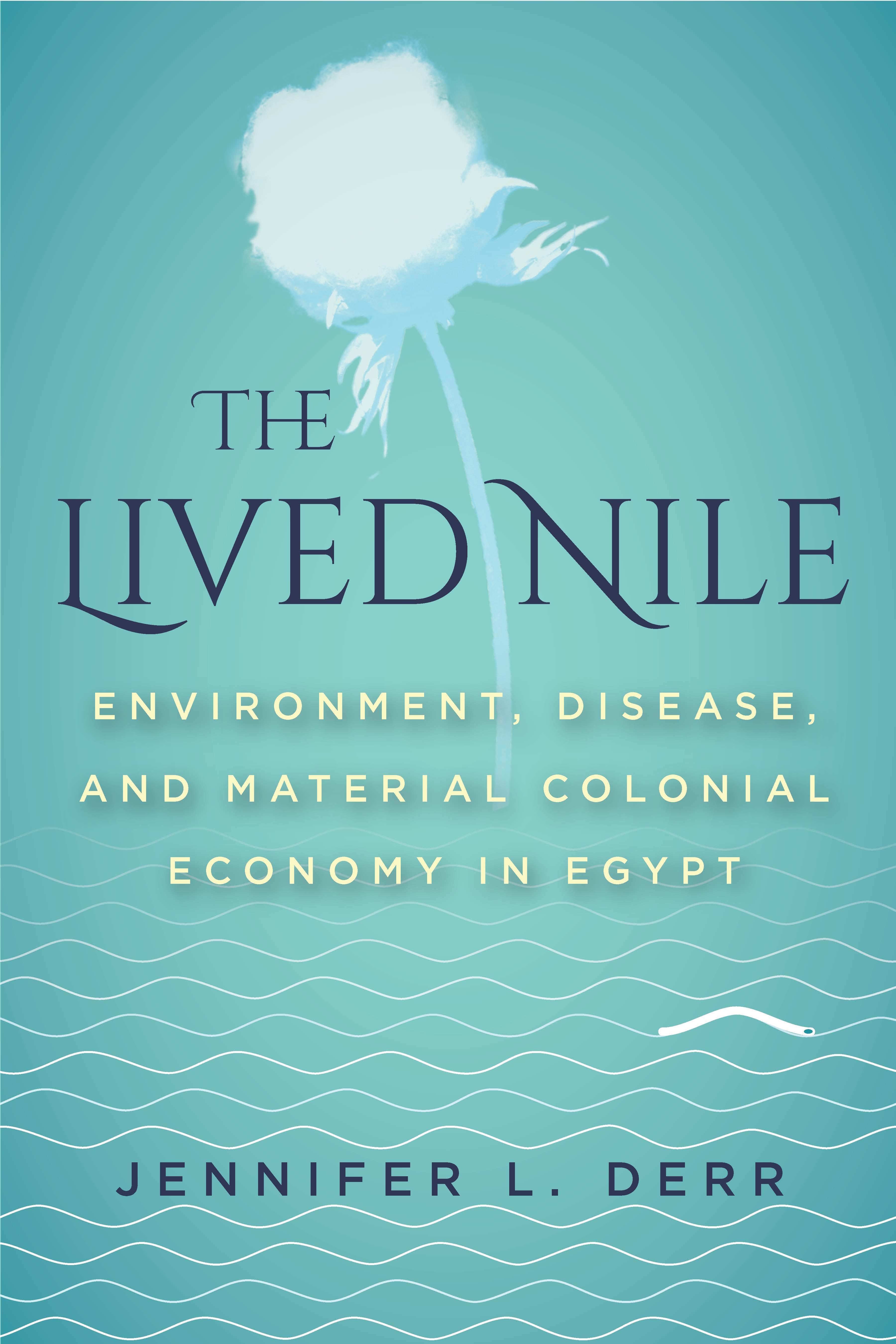
In October 1902, the reservoir of the first Aswan Dam filled, and Egypt's relationship with the Nile River forever changed. Flooding villages of historical northern Nubia and filling the irrigation canals that flowed from the river, the perennial Nile not only reshaped agriculture and the environment, but also Egypt's colonial economy and forms of subjectivity.
Jennifer L. Derr follows the engineers, capitalists, political authorities, and laborers who built a new Nile River through the nineteenth and early twentieth centuries. The river helped to shape the future of technocratic knowledge, and the bodies of those who inhabited rural communities were transformed through the environmental intimacies of their daily lives. At the root of this investigation lies the notion that the Nile is not a singular entity, but a realm of practice and a set of temporally, spatially, and materially specific relations that structured experiences of colonial economy. From the microscopic to the regional, the local to the imperial, The Lived Nile recounts the history and centrality of the environment to questions of politics, knowledge, and the lived experience of the human body itself.
Płać wygodnie kartą, Klarną, Apple Pay lub Google Pay. Nie jesteś zadowolony? Zawsze masz 14-dniową gwarancję zwrotu pieniędzy. Więcej przeczytasz w naszych warunkach. Masz pytania? Napisz do nas na hello@memmo.org.
Memmo ułatwia naukę – gdziekolwiek jesteś na świecie. U nas znajdziesz podręczniki i sprytne narzędzia do nauki w jednym miejscu: streszczenia, quizy, podcasty i fiszki. A do tego Ted, Twój kumpel do nauki, który odpowie na wszystko, co Cię nurtuje. Ponad 50 000 studentów już tu się uczy – stworzone, byś uczył się szybciej i mniej stresował.