
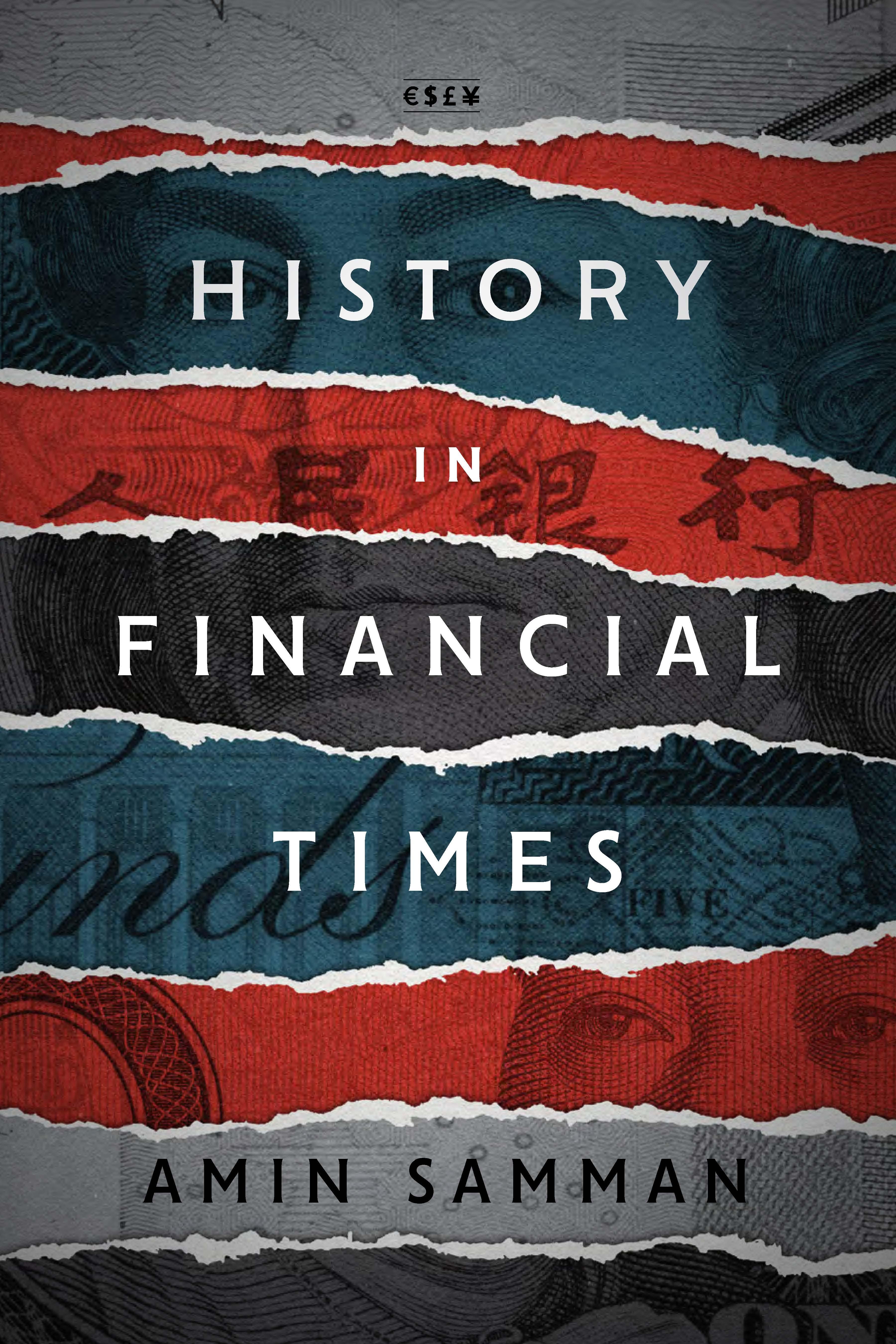
Critical theorists of economy tend to understand the history of market society as a succession of distinct stages. This vision of history rests on a chronological conception of time whereby each present slips into the past so that a future might take its place. This book argues that the linear mode of thinking misses something crucial about the dynamics of contemporary capitalism. Rather than each present leaving a set past behind it, the past continually circulates through and shapes the present, such that historical change emerges through a shifting panorama of historical associations, names, and dates. The result is a strange feedback loop between now and then, real and imaginary. Demonstrating how this idea can give us a better purchase on financial capitalism in the post-crisis era, History in Financial Times traces the diverse modes of history production at work in the spheres of financial journalism, policymaking, and popular culture. Paying particular attention to narrative and to notions of crisis, recurrence, and revelation, Amin Samman gives us a novel take on the relation between historical thinking and critique.
Płać wygodnie kartą, Klarną, Apple Pay lub Google Pay. Nie jesteś zadowolony? Zawsze masz 14-dniową gwarancję zwrotu pieniędzy. Więcej przeczytasz w naszych warunkach. Masz pytania? Napisz do nas na hello@memmo.org.
Memmo ułatwia naukę – gdziekolwiek jesteś na świecie. U nas znajdziesz podręczniki i sprytne narzędzia do nauki w jednym miejscu: streszczenia, quizy, podcasty i fiszki. A do tego Ted, Twój kumpel do nauki, który odpowie na wszystko, co Cię nurtuje. Ponad 50 000 studentów już tu się uczy – stworzone, byś uczył się szybciej i mniej stresował.