
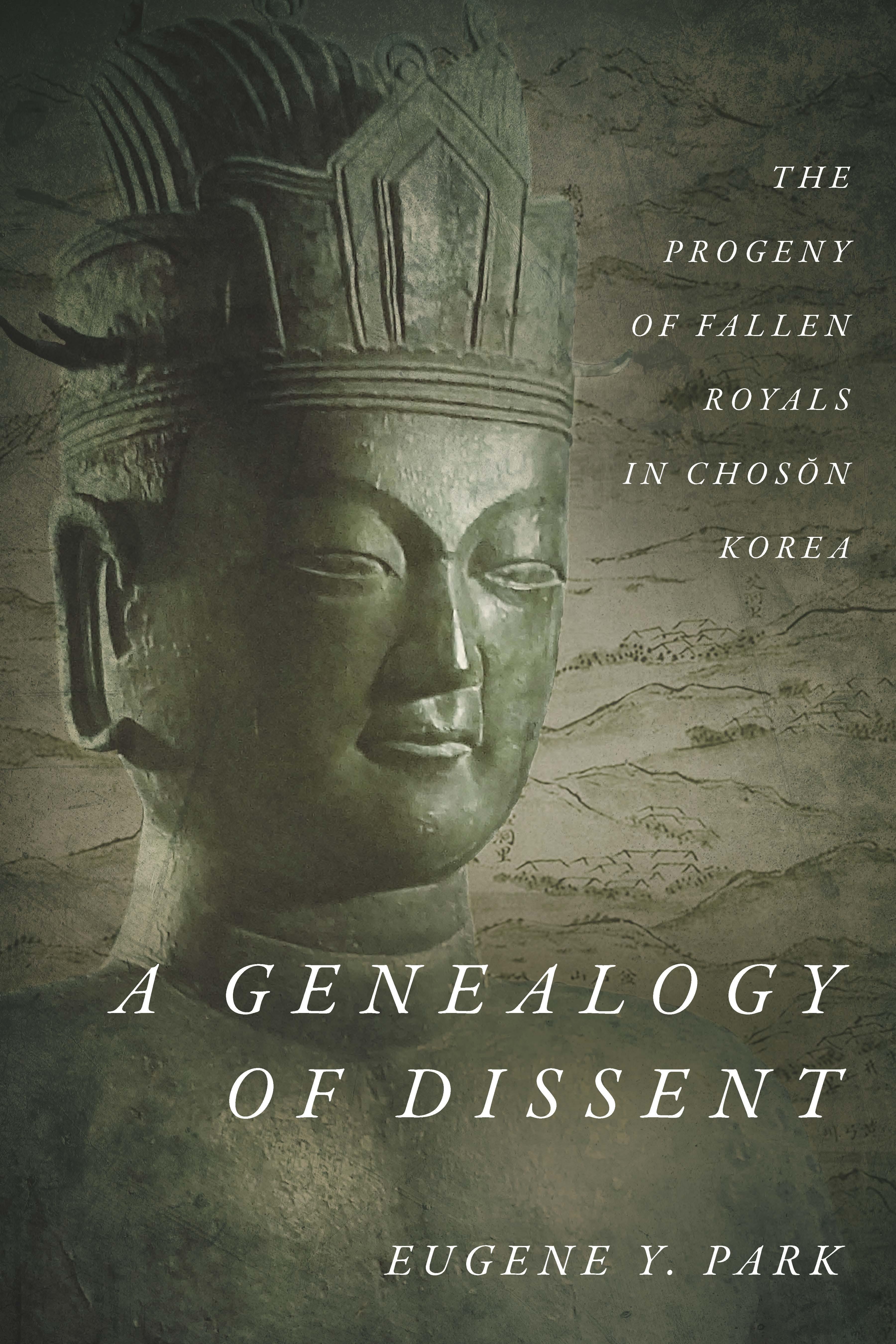
In early modern Korea, the Chosŏn state conducted an extermination campaign against the Kaesŏng Wang, descendants of the preceding Koryŏ dynasty. It was so thorough that most of today's descendants are related to a single survivor. Before long, however, the Chosŏn dynasty sought to bolster its legitimacy as the successor of Koryŏ by rehabilitating the surviving Wangs—granting them patronage for performing ancestral rites and even allowing them to attain prestigious offices. As a result, Koryŏ descendants came to constitute elite lineages throughout Korea. As members of the revived aristocratic descent group, they were committed to Confucian norms of loyalty to their ruler. The Chosŏn, in turn, increasingly honored Koryŏ legacies. As the state began to tolerate critical historical narratives, the early plight of the Wangs inspired popular accounts that engendered sympathy. Modern forces of imperialism, colonialism, nationalism, urbanization, industrialization, and immigration transformed the Kaesŏng Wang from the progeny of fallen royals to individuals from all walks of life. Eugene Y. Park draws on primary and secondary sources, interviews, and site visits to tell their extraordinary story. In so doing, he traces Korea's changing politics, society, and culture for more than half a millennium.
Płać wygodnie kartą, Klarną, Apple Pay lub Google Pay. Nie jesteś zadowolony? Zawsze masz 14-dniową gwarancję zwrotu pieniędzy. Więcej przeczytasz w naszych warunkach. Masz pytania? Napisz do nas na hello@memmo.org.
Memmo ułatwia naukę – gdziekolwiek jesteś na świecie. U nas znajdziesz podręczniki i sprytne narzędzia do nauki w jednym miejscu: streszczenia, quizy, podcasty i fiszki. A do tego Ted, Twój kumpel do nauki, który odpowie na wszystko, co Cię nurtuje. Ponad 50 000 studentów już tu się uczy – stworzone, byś uczył się szybciej i mniej stresował.