
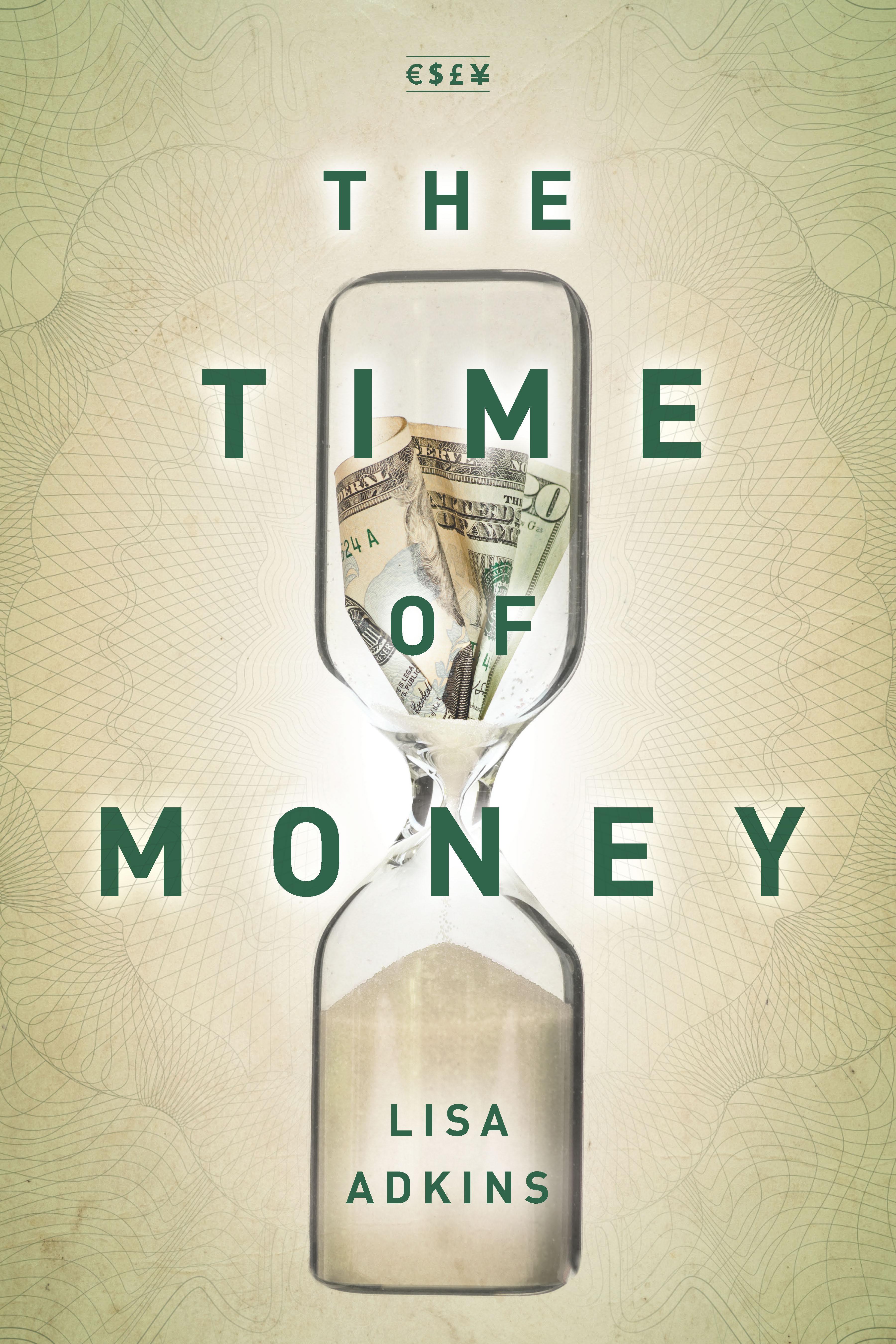
Speculation is often associated with financial practices, but The Time of Money makes the case that it not be restricted to the financial sphere. It argues that the expansion of finance has created a distinctive social world, one that demands a speculative stance toward life in general. Replacing a logic of extraction, speculation changes our relationship to time and organizes our social worlds to maximize the productive capacities of populations around flows of money for finance capital. Speculative practices have become a matter of survival, and defining features of our age are hardwired to their operations—stagnant wages, indebtedness, the centrality of women's earnings to the household, workfarism, and more. Examining five features of our contemporary economy, Lisa Adkins reveals the operations of this speculative rationality. Moving beyond claims that indebtedness is intrinsic to contemporary life and vague declarations that the social world has become financialized, Adkins delivers a precise examination of the relation between finance and society, one that is rich in empirical and analytical detail.
Płać wygodnie kartą, Klarną, Apple Pay lub Google Pay. Nie jesteś zadowolony? Zawsze masz 14-dniową gwarancję zwrotu pieniędzy. Więcej przeczytasz w naszych warunkach. Masz pytania? Napisz do nas na hello@memmo.org.
Memmo ułatwia naukę – gdziekolwiek jesteś na świecie. U nas znajdziesz podręczniki i sprytne narzędzia do nauki w jednym miejscu: streszczenia, quizy, podcasty i fiszki. A do tego Ted, Twój kumpel do nauki, który odpowie na wszystko, co Cię nurtuje. Ponad 50 000 studentów już tu się uczy – stworzone, byś uczył się szybciej i mniej stresował.