
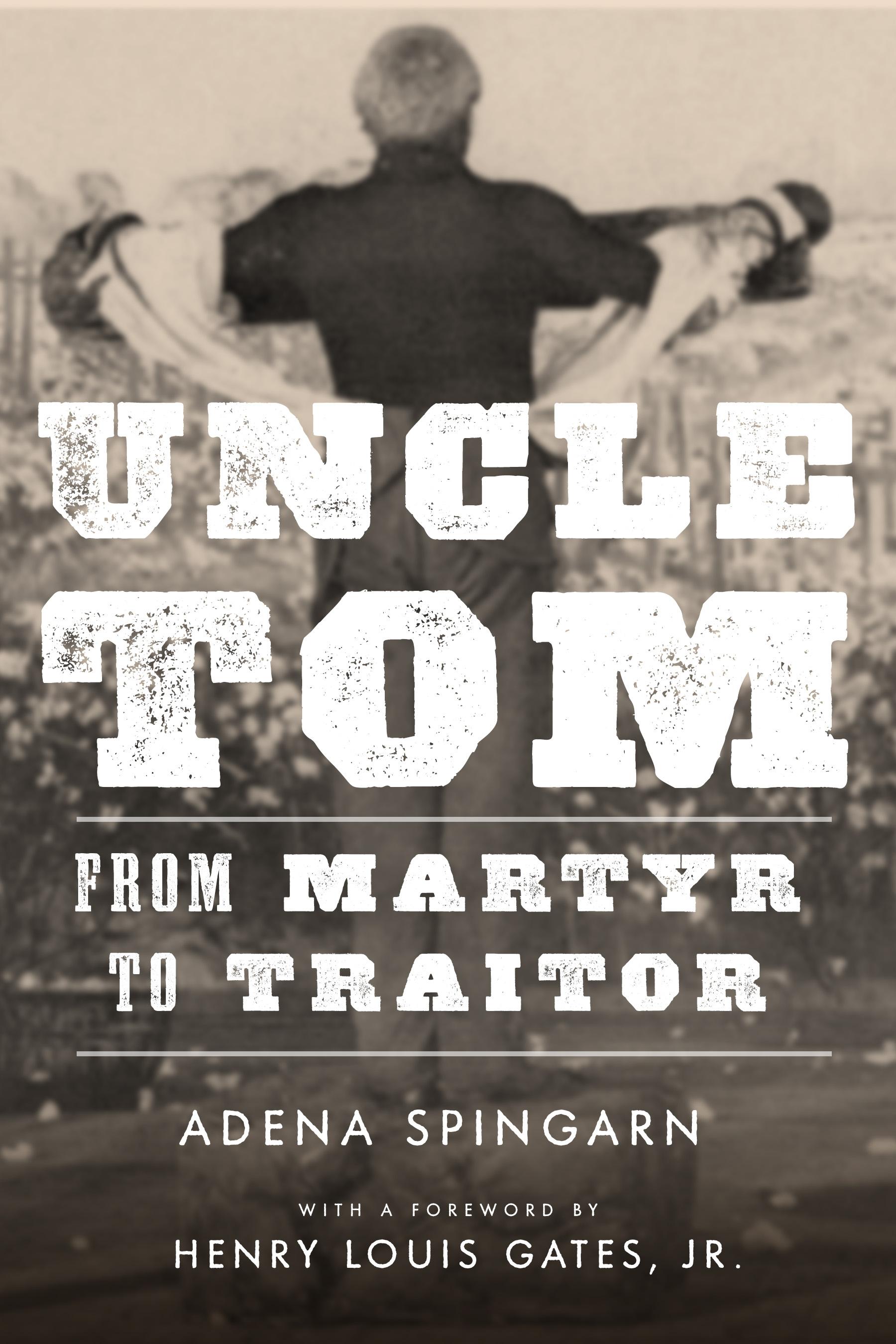
Uncle Tom charts the dramatic cultural transformation of perhaps the most controversial literary character in American history. From his origins as the heroic, Christ-like protagonist of Harriet Beecher Stowe's anti-slavery novel, the best-selling book of the nineteenth century after the Bible, Uncle Tom has become a widely recognized epithet for a black person deemed so subservient to whites that he betrays his race. Readers have long noted that Stowe's character is not the traitorous sycophant that his name connotes today. Adena Spingarn traces his evolution in the American imagination, offering the first comprehensive account of a figure central to American conversations about race and racial representation from 1852 to the present. We learn of the radical political potential of the novel's many theatrical spinoffs even in the Jim Crow era, Uncle Tom's breezy disavowal by prominent voices of the Harlem Renaissance, and a developing critique of "Uncle Tom roles" in Hollywood. Within the stubborn American binary of black and white, citizens have used this rhetorical figure to debate the boundaries of racial difference and the legacy of slavery. Through Uncle Tom, black Americans have disputed various strategies for racial progress and defined the most desirable and harmful images of black personhood in literature and popular culture.
Płać wygodnie kartą, Klarną, Apple Pay lub Google Pay. Nie jesteś zadowolony? Zawsze masz 14-dniową gwarancję zwrotu pieniędzy. Więcej przeczytasz w naszych warunkach. Masz pytania? Napisz do nas na hello@memmo.org.
Memmo ułatwia naukę – gdziekolwiek jesteś na świecie. U nas znajdziesz podręczniki i sprytne narzędzia do nauki w jednym miejscu: streszczenia, quizy, podcasty i fiszki. A do tego Ted, Twój kumpel do nauki, który odpowie na wszystko, co Cię nurtuje. Ponad 50 000 studentów już tu się uczy – stworzone, byś uczył się szybciej i mniej stresował.