
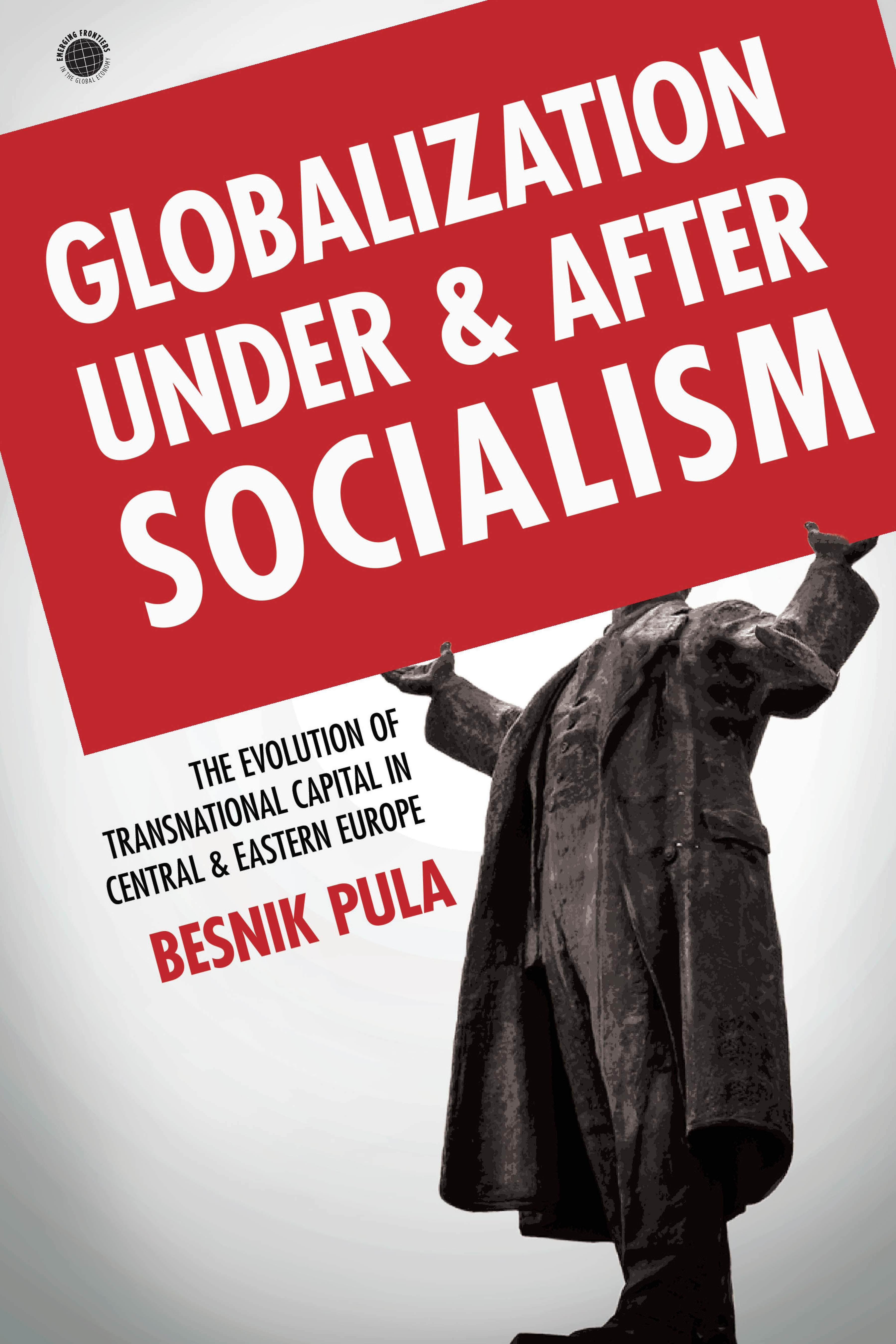
The post-communist states of Central and Eastern Europe have gone from being among the world's most closed, autarkic economies to being some of the most export-oriented and globally integrated. While previous accounts have attributed this shift to post-1989 market reform policies, Besnik Pula sees the root causes differently. Reaching deeper into the region's history and comparatively examining its long-run industrial development, he locates critical junctures that forced the hands of Central and Eastern European elites and made them look at options beyond the domestic economy and the socialist bloc.
In the 1970s, Central and Eastern European socialist leaders intensified engagements with the capitalist West in order to expand access to markets, technology, and capital. This shift began to challenge the Stalinist developmental model in favor of exports and transnational integration. A new reliance on exports launched the integration of Eastern European industry into value chains that cut across the East-West political divide. After 1989, these chains proved to be critical gateways to foreign direct investment and circuits of global capitalism. This book enriches our understanding of a regional shift that began well before the fall of the wall, while also explaining the distinct international roles that Central and Eastern European states have assumed in the globalized twenty-first century.
Płać wygodnie kartą, Klarną, Apple Pay lub Google Pay. Nie jesteś zadowolony? Zawsze masz 14-dniową gwarancję zwrotu pieniędzy. Więcej przeczytasz w naszych warunkach. Masz pytania? Napisz do nas na hello@memmo.org.
Memmo ułatwia naukę – gdziekolwiek jesteś na świecie. U nas znajdziesz podręczniki i sprytne narzędzia do nauki w jednym miejscu: streszczenia, quizy, podcasty i fiszki. A do tego Ted, Twój kumpel do nauki, który odpowie na wszystko, co Cię nurtuje. Ponad 50 000 studentów już tu się uczy – stworzone, byś uczył się szybciej i mniej stresował.