
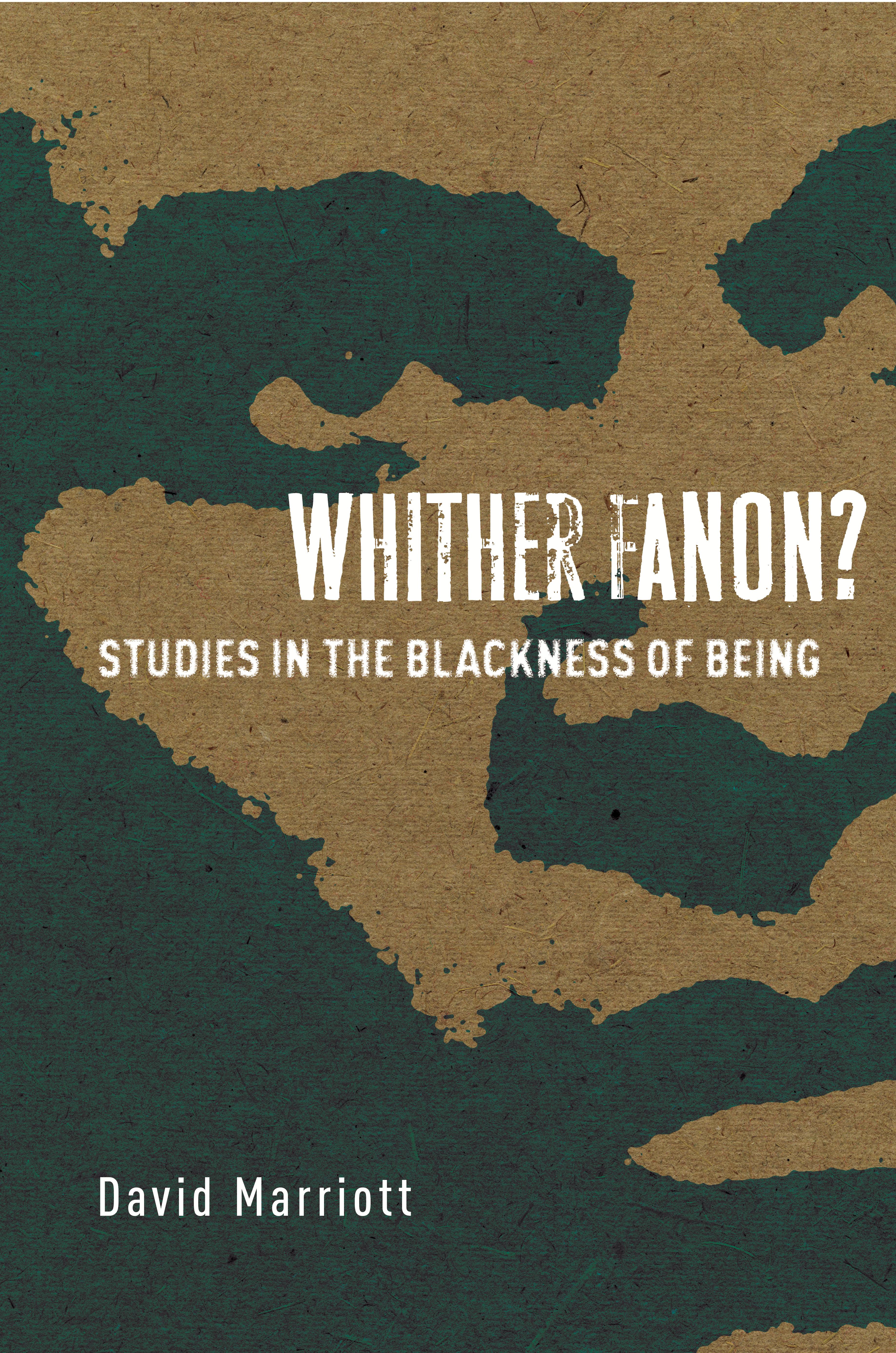
Frantz Fanon may be most known for his more obviously political writings, but in the first instance, he was a clinician, a black Caribbean psychiatrist who had the improbable task of treating disturbed and traumatized North African patients during the wars of decolonization. Investigating and foregrounding the clinical system that Fanon devised in an attempt to intervene against negrophobia and anti-blackness, this book rereads his clinical and political work together, arguing that the two are mutually imbricated. For the first time, Fanon's therapeutic innovations are considered along with his more overtly political and cultural writings to ask how the crises of war affected his practice, informed his politics, and shaped his subsequent ideas. As David Marriott suggests, this combination of the clinical and political involves a psychopolitics that is, by definition, complex, difficult, and perpetually challenging. He details this psychopolitics from two points of view, focusing first on Fanon's sociotherapy, its diagnostic methods and concepts, and second, on Fanon's cultural theory more generally. In our present climate of fear and terror over black presence and the violence to which it gives rise, Whither Fanon? reminds us of Fanon's scandalous actuality and of the continued urgency of his message.
Płać wygodnie kartą, Klarną, Apple Pay lub Google Pay. Nie jesteś zadowolony? Zawsze masz 14-dniową gwarancję zwrotu pieniędzy. Więcej przeczytasz w naszych warunkach. Masz pytania? Napisz do nas na hello@memmo.org.
Memmo ułatwia naukę – gdziekolwiek jesteś na świecie. U nas znajdziesz podręczniki i sprytne narzędzia do nauki w jednym miejscu: streszczenia, quizy, podcasty i fiszki. A do tego Ted, Twój kumpel do nauki, który odpowie na wszystko, co Cię nurtuje. Ponad 50 000 studentów już tu się uczy – stworzone, byś uczył się szybciej i mniej stresował.