
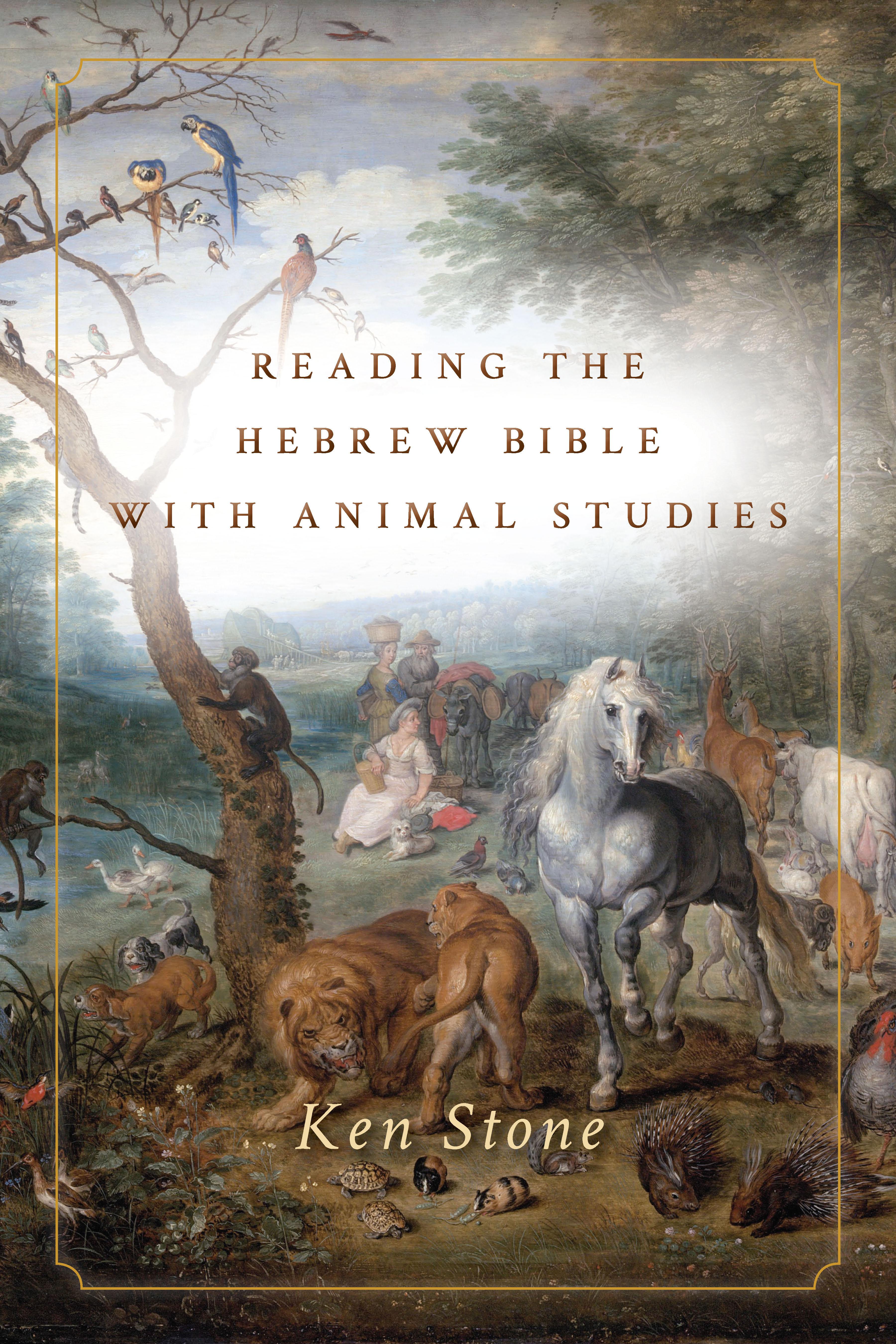
Animal studies may be a recent academic development, but our fascination with animals is nothing new. Surviving cave paintings are of animal forms, and closer to us, as Ken Stone points out, animals populate biblical literature from beginning to end. This book explores the significance of animal studies for the interpretation of the Hebrew Bible. The field has had relatively little impact on biblical interpretation to date, but combined with biblical scholarship, it sheds useful light on animals, animal symbolism, and the relations among animals, humans, and God—not only for those who study biblical literature and its ancient context, but for contemporary readers concerned with environmental, social, and animal ethics.
Without the presence of domesticated and wild animals, neither biblical traditions nor the religions that make use of the Bible would exist in their current forms. Although parts of the Bible draw a clear line between humans and animals, other passages complicate that line in multiple ways and challenge our assumptions about the roles animals play therein. Engaging influential thinkers, including Jacques Derrida, Donna Haraway, and other experts in animal and ecological studies, Reading the Hebrew Bible with Animal Studies shows how prehumanist texts reveal unexpectedly relevant dynamics and themes for our posthumanist age.
Płać wygodnie kartą, Klarną, Apple Pay lub Google Pay. Nie jesteś zadowolony? Zawsze masz 14-dniową gwarancję zwrotu pieniędzy. Więcej przeczytasz w naszych warunkach. Masz pytania? Napisz do nas na hello@memmo.org.
Memmo ułatwia naukę – gdziekolwiek jesteś na świecie. U nas znajdziesz podręczniki i sprytne narzędzia do nauki w jednym miejscu: streszczenia, quizy, podcasty i fiszki. A do tego Ted, Twój kumpel do nauki, który odpowie na wszystko, co Cię nurtuje. Ponad 50 000 studentów już tu się uczy – stworzone, byś uczył się szybciej i mniej stresował.