
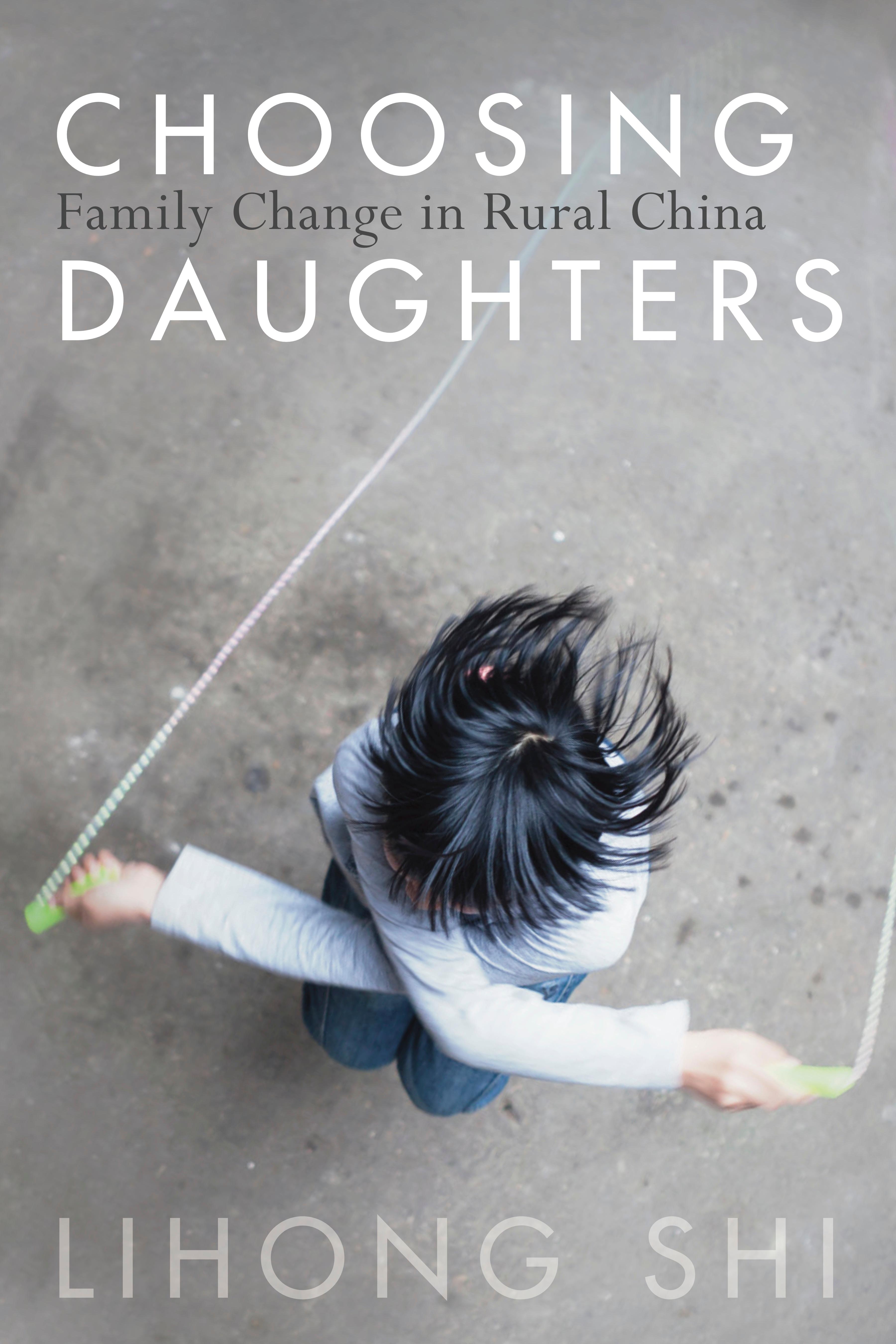
China's patrilineal and patriarchal tradition has encouraged a long-standing preference for male heirs within families. Coupled with China's birth-planning policy, this has led to a severe gender imbalance. But a counterpattern is emerging in rural China where a noticeable proportion of young couples have willingly accepted having a single daughter. They are doing so even as birth-planning policies are being relaxed and having a second child, and the opportunity of having a son, is a new possibility.
Choosing Daughters explores this critical, yet largely overlooked, reproductive pattern emerging in China's demographic landscape. Lihong Shi delves into the social, economic, and cultural forces behind the complex decision-making process of these couples to unravel their life goals and childrearing aspirations, the changing family dynamics and gender relations, and the intimate parent–daughter ties that have engendered this drastic transformation of reproductive choice. She reveals a leading-edge social force that fosters China's recent fertility decline, namely pursuit of a modern family and successful childrearing achieved through having a small family. Through this discussion, Shi refutes the conventional understanding of a universal preference for sons and discrimination against daughters in China and counters claims of continuing resistance against China's population control program.
Płać wygodnie kartą, Klarną, Apple Pay lub Google Pay. Nie jesteś zadowolony? Zawsze masz 14-dniową gwarancję zwrotu pieniędzy. Więcej przeczytasz w naszych warunkach. Masz pytania? Napisz do nas na hello@memmo.org.
Memmo ułatwia naukę – gdziekolwiek jesteś na świecie. U nas znajdziesz podręczniki i sprytne narzędzia do nauki w jednym miejscu: streszczenia, quizy, podcasty i fiszki. A do tego Ted, Twój kumpel do nauki, który odpowie na wszystko, co Cię nurtuje. Ponad 50 000 studentów już tu się uczy – stworzone, byś uczył się szybciej i mniej stresował.