
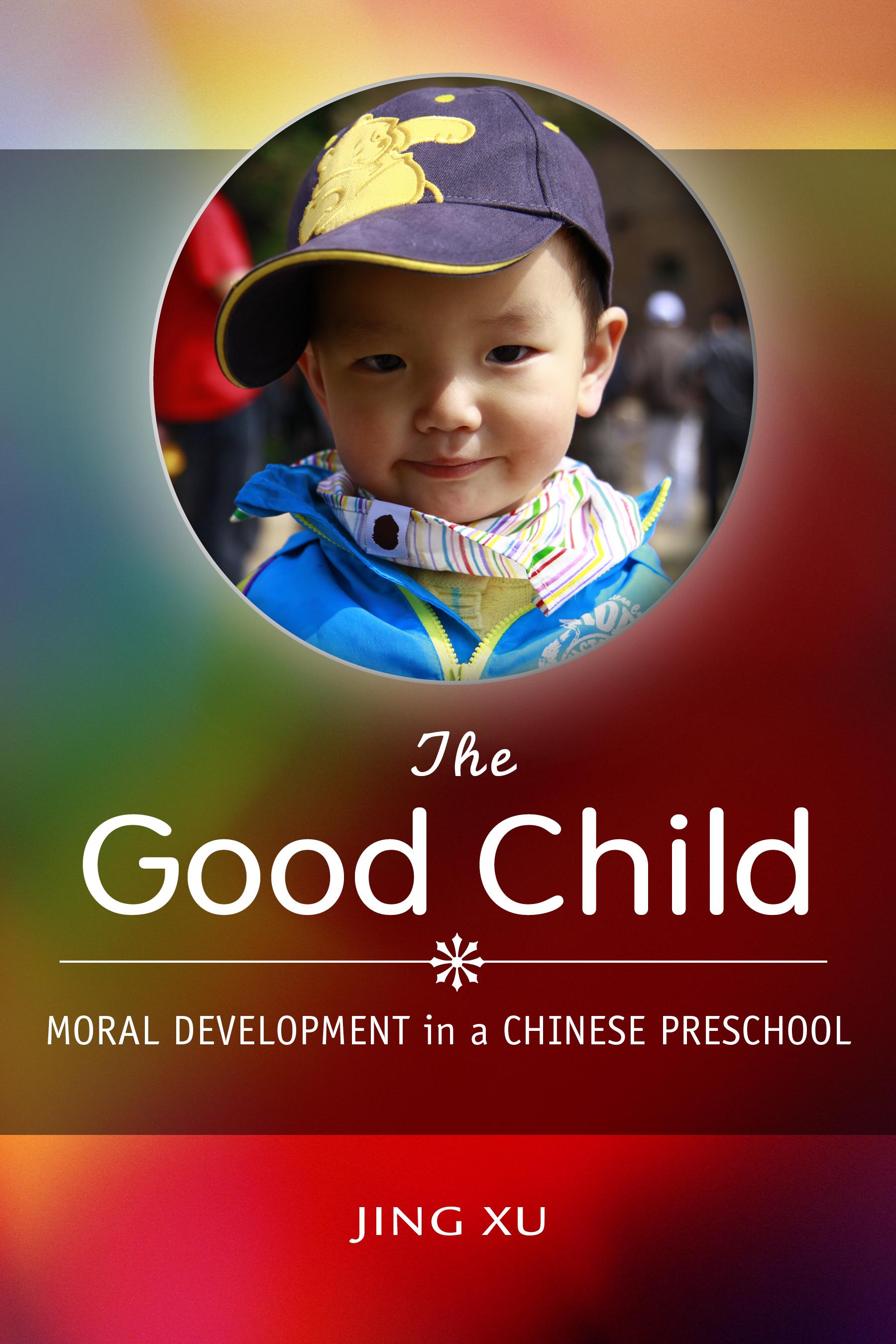
Chinese academic traditions take zuo ren—self-fulfillment in terms of moral cultivation—as the ultimate goal of education. To many in contemporary China, however, the nation seems gripped by moral decay, the result of rapid and profound social change over the course of the twentieth century. Placing Chinese children, alternately seen as China's greatest hope and derided as self-centered "little emperors," at the center of her analysis, Jing Xu investigates the effects of these transformations on the moral development of the nation's youngest generation.
The Good Child examines preschool-aged children in Shanghai, tracing how Chinese socialization beliefs and methods influence their construction of a moral world. Delving into the growing pains of an increasingly competitive and changing educational environment, Xu documents the confusion, struggles, and anxieties of today's parents, educators, and grandparents, as well as the striking creativity of their children in shaping their own moral practices. Her innovative blend of anthropology and psychology reveals the interplay of their dialogues and debates, illuminating how young children's nascent moral dispositions are selected, expressed or repressed, and modulated in daily experiences.
Płać wygodnie kartą, Klarną, Apple Pay lub Google Pay. Nie jesteś zadowolony? Zawsze masz 14-dniową gwarancję zwrotu pieniędzy. Więcej przeczytasz w naszych warunkach. Masz pytania? Napisz do nas na hello@memmo.org.
Memmo ułatwia naukę – gdziekolwiek jesteś na świecie. U nas znajdziesz podręczniki i sprytne narzędzia do nauki w jednym miejscu: streszczenia, quizy, podcasty i fiszki. A do tego Ted, Twój kumpel do nauki, który odpowie na wszystko, co Cię nurtuje. Ponad 50 000 studentów już tu się uczy – stworzone, byś uczył się szybciej i mniej stresował.