
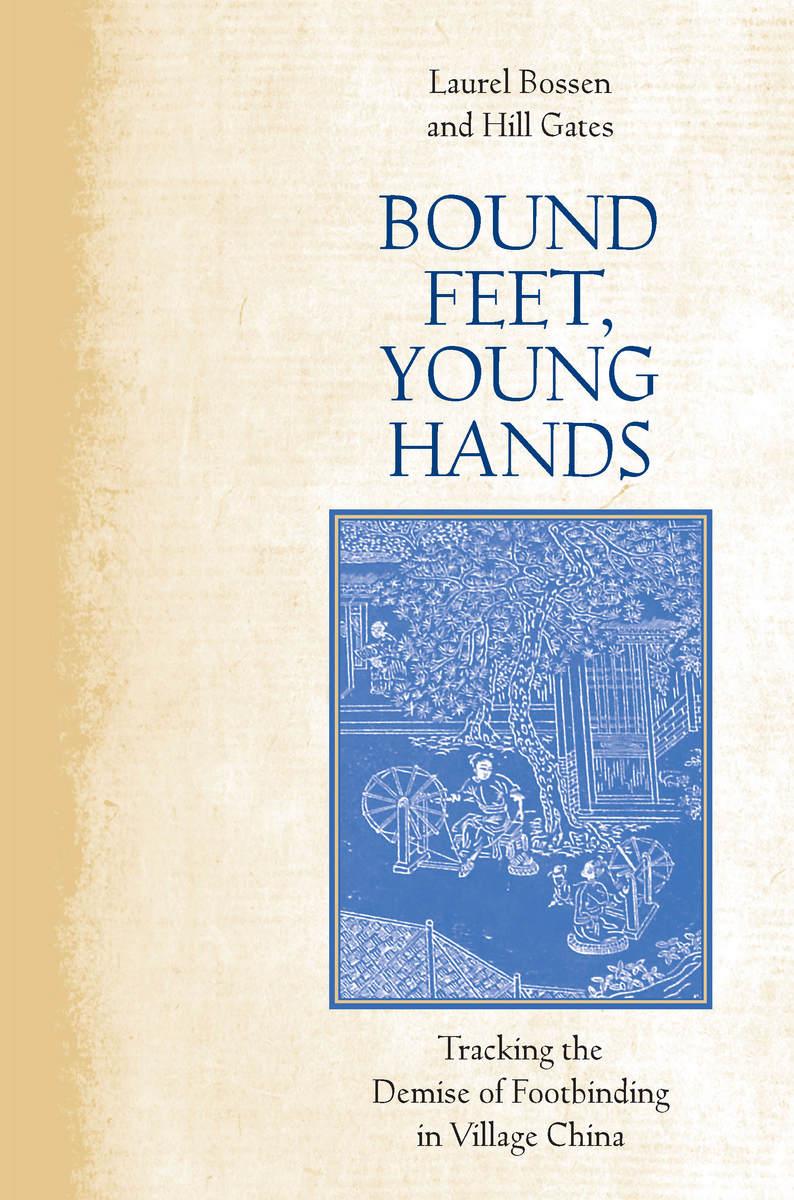
Footbinding was common in China until the early twentieth century, when most Chinese were family farmers. Why did these families bind young girls' feet? And why did footbinding stop? In this groundbreaking work, Laurel Bossen and Hill Gates upend the popular view of footbinding as a status, or even sexual, symbol by showing that it was an undeniably effective way to get even very young girls to sit still and work with their hands.
Interviews with 1,800 elderly women, many with bound feet, reveal the reality of girls' hand labor across the North China Plain, Northwest China, and Southwest China. As binding reshaped their feet, mothers disciplined girls to spin, weave, and do other handwork because many village families depended on selling such goods. When factories eliminated the economic value of handwork, footbinding died out. As the last generation of footbound women passes away, Bound Feet, Young Hands presents a data-driven examination of the social and economic aspects of this misunderstood custom.
Płać wygodnie kartą, Klarną, Apple Pay lub Google Pay. Nie jesteś zadowolony? Zawsze masz 14-dniową gwarancję zwrotu pieniędzy. Więcej przeczytasz w naszych warunkach. Masz pytania? Napisz do nas na hello@memmo.org.
Memmo ułatwia naukę – gdziekolwiek jesteś na świecie. U nas znajdziesz podręczniki i sprytne narzędzia do nauki w jednym miejscu: streszczenia, quizy, podcasty i fiszki. A do tego Ted, Twój kumpel do nauki, który odpowie na wszystko, co Cię nurtuje. Ponad 50 000 studentów już tu się uczy – stworzone, byś uczył się szybciej i mniej stresował.