
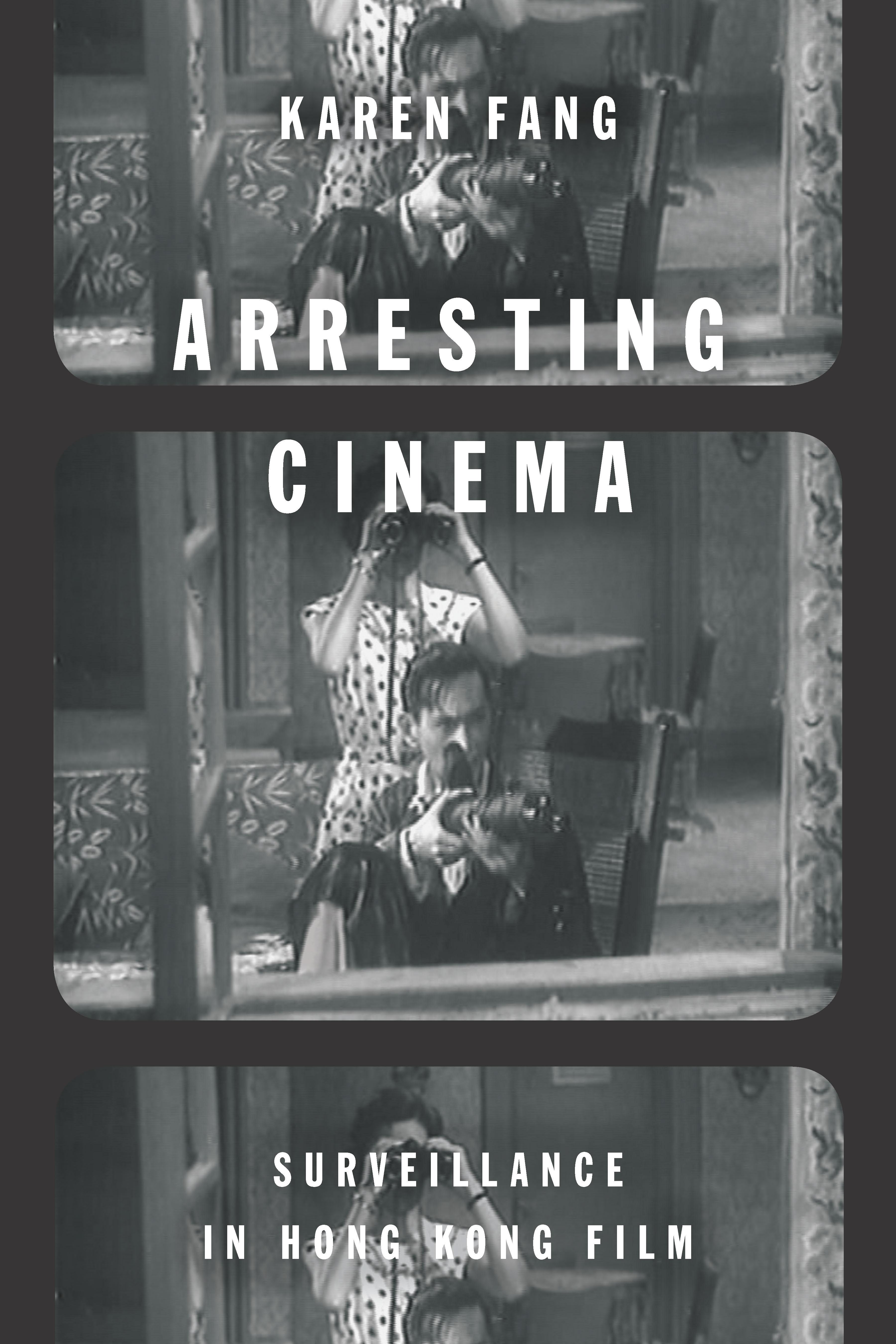
When Ridley Scott envisioned Blade Runner's set as "Hong Kong on a bad day," he nodded to the city's overcrowding as well as its widespread use of surveillance. But while Scott brought Hong Kong and surveillance into the global film repertoire, the city's own cinema has remained outside of the global surveillance discussion.
In Arresting Cinema, Karen Fang delivers a unifying account of Hong Kong cinema that draws upon its renowned crime films and other unique genres to demonstrate Hong Kong's view of surveillance. She argues that Hong Kong's films display a tolerance of—and even opportunism towards—the soft cage of constant observation, unlike the fearful view prevalent in the West. However, many surveillance cinema studies focus solely on European and Hollywood films, discounting other artistic traditions and industrial circumstances. Hong Kong's films show a more crowded, increasingly economically stratified, and postnational world that nevertheless offers an aura of hopeful futurity. Only by exploring Hong Kong surveillance film can we begin to shape a truly global understanding of Hitchcock's "rear window ethics."
Płać wygodnie kartą, Klarną, Apple Pay lub Google Pay. Nie jesteś zadowolony? Zawsze masz 14-dniową gwarancję zwrotu pieniędzy. Więcej przeczytasz w naszych warunkach. Masz pytania? Napisz do nas na hello@memmo.org.
Memmo ułatwia naukę – gdziekolwiek jesteś na świecie. U nas znajdziesz podręczniki i sprytne narzędzia do nauki w jednym miejscu: streszczenia, quizy, podcasty i fiszki. A do tego Ted, Twój kumpel do nauki, który odpowie na wszystko, co Cię nurtuje. Ponad 50 000 studentów już tu się uczy – stworzone, byś uczył się szybciej i mniej stresował.