
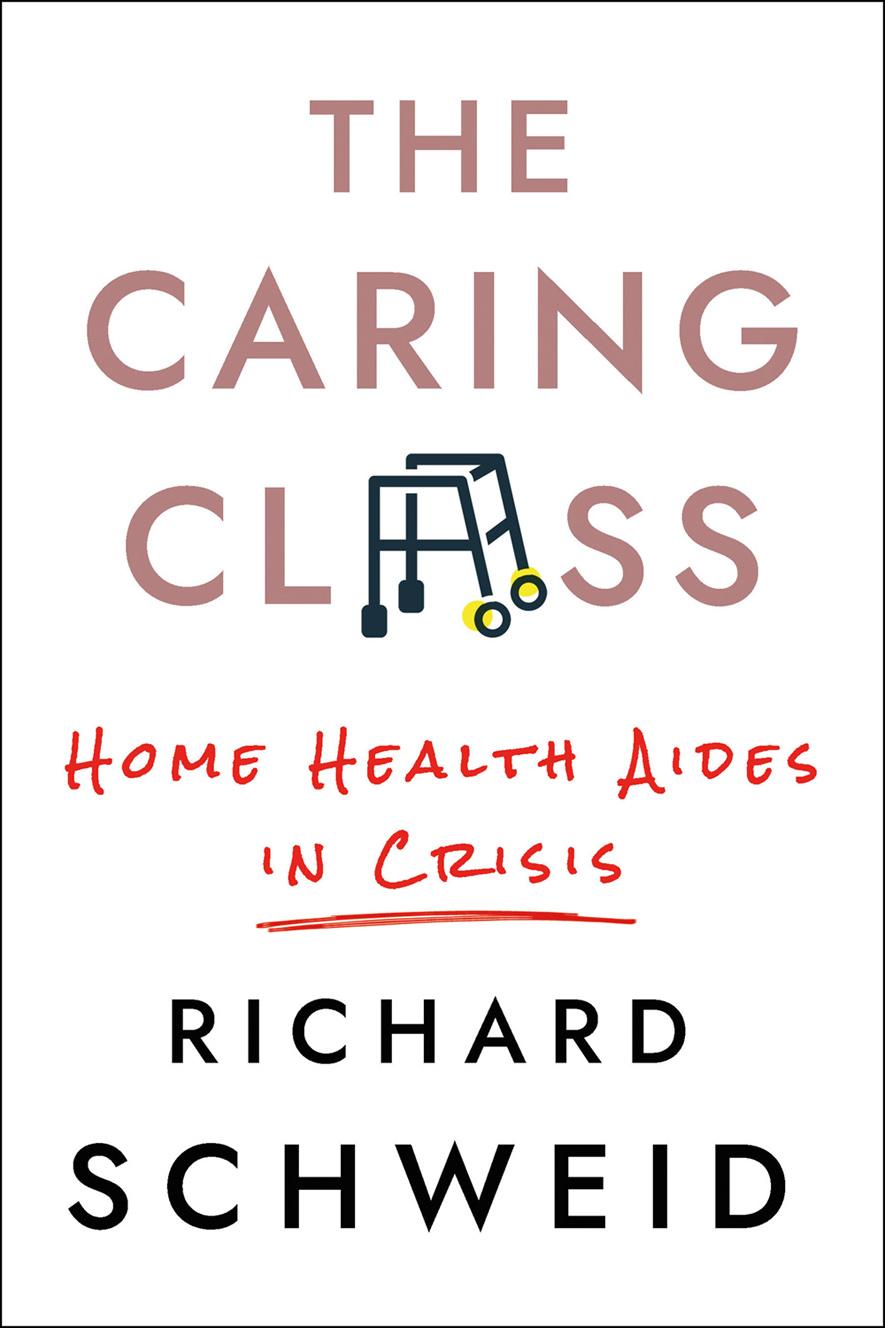
The number of elderly and disabled Americans in need of home health care is increasing annually, even as the pool of people—almost always women—willing to do this job gets smaller and smaller. The Caring Class takes readers inside the reality of home health care by following the lives of women training and working as home health aides in the South Bronx.
Richard Schweid examines home health care in detail, focusing on the women who tend to our elderly and disabled loved ones and how we fail to value their work. They are paid minimum wage so that we might be absent, getting on with our own lives. The book calls for a rethinking of home health care and explains why changes are urgent: the current system offers neither a good way to live nor a good way to die. By improving the job of home health aide, Schweid shows, we can reduce income inequality and create a pool of qualified, competent home health care providers who would contribute to the well-being of us all.
The Caring Class also serves as a guide into the world of our home health care system. Nearly 50 million US families look after an elderly or disabled loved one. This book explains the issues and choices they face. Schweid explores the narratives, histories, and people behind home health care in the United States, examining how we might improve the lives of both those who receive care and those who provide it.
Płać wygodnie kartą, Klarną, Apple Pay lub Google Pay. Nie jesteś zadowolony? Zawsze masz 14-dniową gwarancję zwrotu pieniędzy. Więcej przeczytasz w naszych warunkach. Masz pytania? Napisz do nas na hello@memmo.org.
Memmo ułatwia naukę – gdziekolwiek jesteś na świecie. U nas znajdziesz podręczniki i sprytne narzędzia do nauki w jednym miejscu: streszczenia, quizy, podcasty i fiszki. A do tego Ted, Twój kumpel do nauki, który odpowie na wszystko, co Cię nurtuje. Ponad 50 000 studentów już tu się uczy – stworzone, byś uczył się szybciej i mniej stresował.