
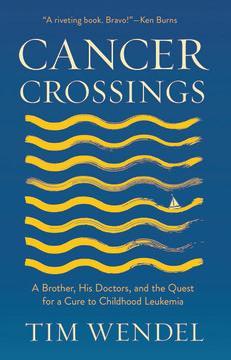
When Eric Wendel was diagnosed with acute lymphoblastic leukemia in 1966, the survival rate was 10 percent. Today, it is 90 percent. Even as politicians call for a "Cancer Moonshot," this accomplishment remains a pinnacle in cancer research.
The author's daughter, then a medical student at Georgetown Medical School, told her father about this amazing success story. Tim Wendel soon discovered that many of the doctors at the forefront of this effort cared for his brother at Roswell Park in Buffalo, New York. Wendel went in search of this extraordinary group, interviewing Lucius Sinks, James Holland, Donald Pinkel, and others in the field. If there were a Mount Rushmore for cancer research, they would be on it.
Despite being ostracized by their medical peers, these doctors developed modern-day chemotherapy practices and invented the blood centrifuge machine, helping thousands of children live longer lives. Part family memoir and part medical narrative, Cancer Crossings explores how the Wendel family found the courage to move ahead with their lives. They learned to sail on Lake Ontario, cruising across miles of open water together, even as the campaign against cancer changed their lives forever.
Płać wygodnie kartą, Klarną, Apple Pay lub Google Pay. Nie jesteś zadowolony? Zawsze masz 14-dniową gwarancję zwrotu pieniędzy. Więcej przeczytasz w naszych warunkach. Masz pytania? Napisz do nas na hello@memmo.org.
Memmo ułatwia naukę – gdziekolwiek jesteś na świecie. U nas znajdziesz podręczniki i sprytne narzędzia do nauki w jednym miejscu: streszczenia, quizy, podcasty i fiszki. A do tego Ted, Twój kumpel do nauki, który odpowie na wszystko, co Cię nurtuje. Ponad 50 000 studentów już tu się uczy – stworzone, byś uczył się szybciej i mniej stresował.