
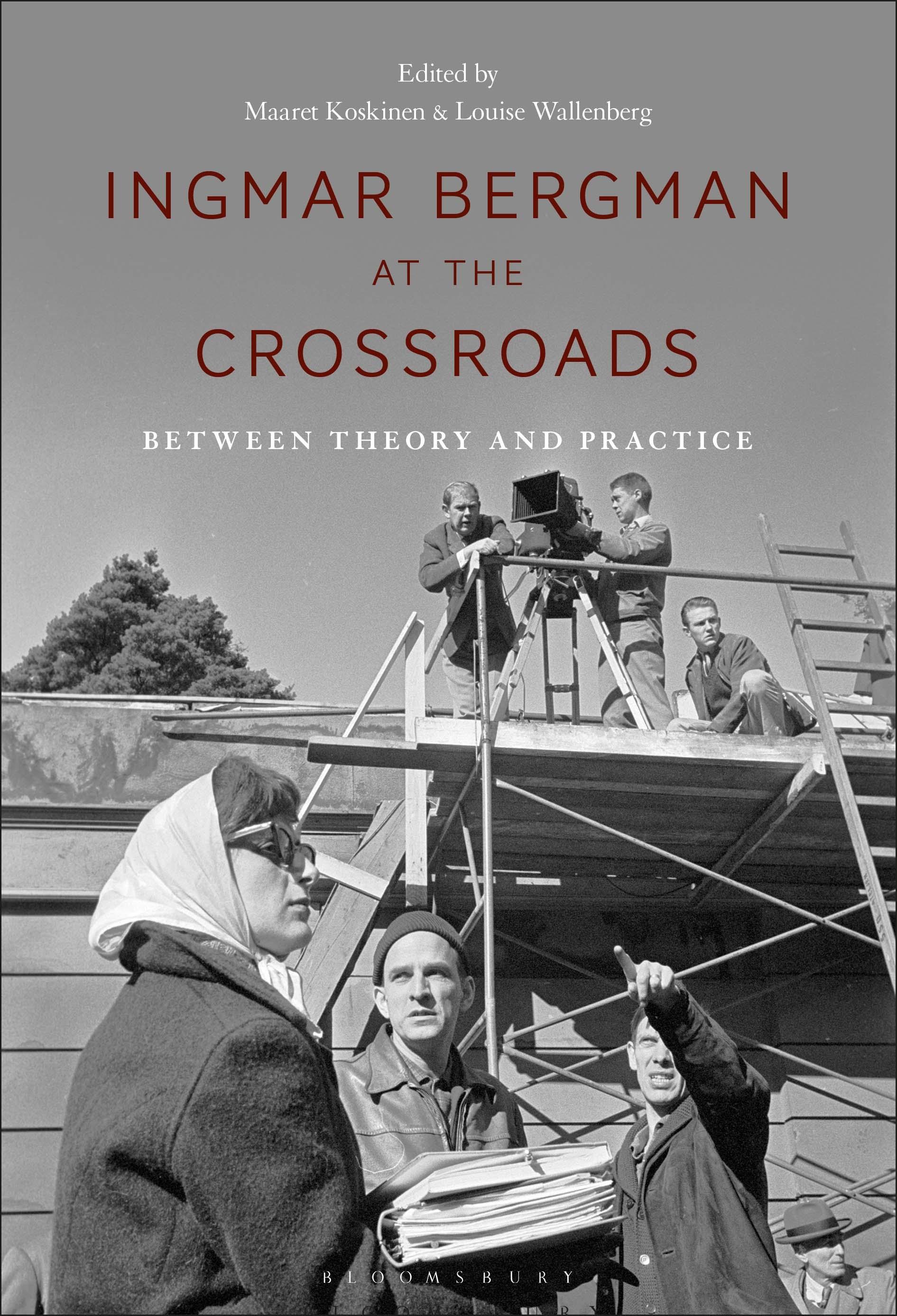
This collection offers new and insightful perspectives on Ingmar Bergman's work as a film and theatre director as well as writer of fiction.
Ingmar Bergman's rich legacy as a film director and writer of classics such as The Seventh Seal, Scenes From a Marriage, and Fanny and Alexander has attracted scholars not only in film studies but also of literature, theater, gender, philosophy, religion, sociology, musicology, and more. Less known, however, is Bergman from the perspective of production studies, including all the choices, practices, and routines involved in what goes on behind the scenes. For instance, what about Bergman's collaborations and conflicts with film producers? What about his work with musicians at the opera, technicians in the television studio, and actors on the film set? What about Bergman and MeToo?
In order to throw light on these issues, art practitioners such as film directors Ang Lee and Margarethe von Trotta, film and opera director Atom Egoyan, and film producer and screenwriter James Schamus are brought together with academics such as philosopher and film scholar Paisley Livingston, musicologist Alexis Luko, and playwright and performance studies scholar Allan Havis to discuss Bergman's work from their unique perspectives. In addition, Ingmar Bergman at the Crossroads provides, for the first time, in-depth interviews with Bergman's longtime collaborators Katinka Faragó and Måns Reuterswärd, who both have first-hand experience of working intimately as producers in film and television with Bergman, covering more than 5 decades. In an open exchange between individual and institutional perspectives, this book bridges the often-rigid boundaries between theoreticians and practitioners, in turn pointing Bergman's studies in new directions.
Ingmar Bergman's rich legacy as a film director and writer of classics such as The Seventh Seal, Scenes From a Marriage, and Fanny and Alexander has attracted scholars not only in film studies but also of literature, theater, gender, philosophy, religion, sociology, musicology, and more. Less known, however, is Bergman from the perspective of production studies, including all the choices, practices, and routines involved in what goes on behind the scenes. For instance, what about Bergman's collaborations and conflicts with film producers? What about his work with musicians at the opera, technicians in the television studio, and actors on the film set? What about Bergman and MeToo?
In order to throw light on these issues, art practitioners such as film directors Ang Lee and Margarethe von Trotta, film and opera director Atom Egoyan, and film producer and screenwriter James Schamus are brought together with academics such as philosopher and film scholar Paisley Livingston, musicologist Alexis Luko, and playwright and performance studies scholar Allan Havis to discuss Bergman's work from their unique perspectives. In addition, Ingmar Bergman at the Crossroads provides, for the first time, in-depth interviews with Bergman's longtime collaborators Katinka Faragó and Måns Reuterswärd, who both have first-hand experience of working intimately as producers in film and television with Bergman, covering more than 5 decades. In an open exchange between individual and institutional perspectives, this book bridges the often-rigid boundaries between theoreticians and practitioners, in turn pointing Bergman's studies in new directions.
Płać wygodnie kartą, Klarną, Apple Pay lub Google Pay. Nie jesteś zadowolony? Zawsze masz 14-dniową gwarancję zwrotu pieniędzy. Więcej przeczytasz w naszych warunkach. Masz pytania? Napisz do nas na hello@memmo.org.
Memmo ułatwia naukę – gdziekolwiek jesteś na świecie. U nas znajdziesz podręczniki i sprytne narzędzia do nauki w jednym miejscu: streszczenia, quizy, podcasty i fiszki. A do tego Ted, Twój kumpel do nauki, który odpowie na wszystko, co Cię nurtuje. Ponad 50 000 studentów już tu się uczy – stworzone, byś uczył się szybciej i mniej stresował.