
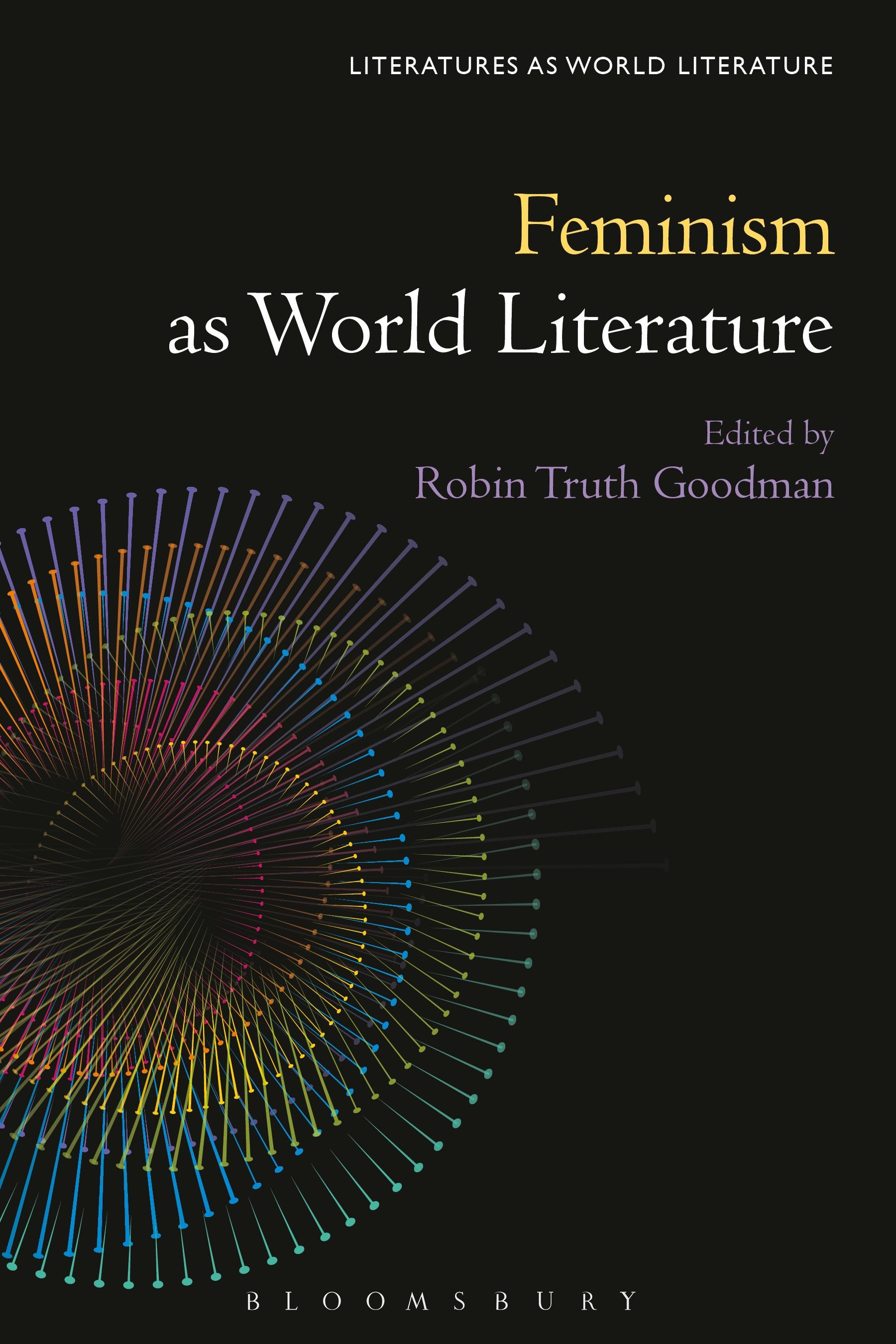
The conventional lineage of World Literature starts with Goethe and moves through Marx, Said, Moretti, and Damrosch, among others. What if there is another way to trace the lineage, starting with Simone de Beauvoir and moving through Hannah Arendt, Assia Djebar, Octavia Butler, Donna Haraway, Karen Barad, and Gayatri Spivak? What ideas and issues get left out of the current foundations that have institutionalized World Literature, and what can be added, challenged, or changed with this tweaking of the referential terminology?
Feminism as World Literature redefines the thematic and theoretical contents of World Literature in feminist terms as well as rethinking feminist terms, analyses, frameworks, and concepts in a World Literature context. Other ideas built into World Literature and its criticism are viewed here by feminist framings, including the environment, technology, immigration, translation, work, race, governance, image, sound, religion, affect, violence, media, future, and history. The authors recognize genres, strategies, and themes of World Literature that demonstrate feminism as integral to the world-making gestures of literary form and production. In other words, this volume looks to readings and modes of reading that expose how the historical worldliness of texts allows for feminist interventions that might not sit clearly or comfortably on the surfaces.
Feminism as World Literature redefines the thematic and theoretical contents of World Literature in feminist terms as well as rethinking feminist terms, analyses, frameworks, and concepts in a World Literature context. Other ideas built into World Literature and its criticism are viewed here by feminist framings, including the environment, technology, immigration, translation, work, race, governance, image, sound, religion, affect, violence, media, future, and history. The authors recognize genres, strategies, and themes of World Literature that demonstrate feminism as integral to the world-making gestures of literary form and production. In other words, this volume looks to readings and modes of reading that expose how the historical worldliness of texts allows for feminist interventions that might not sit clearly or comfortably on the surfaces.
Płać wygodnie kartą, Klarną, Apple Pay lub Google Pay. Nie jesteś zadowolony? Zawsze masz 14-dniową gwarancję zwrotu pieniędzy. Więcej przeczytasz w naszych warunkach. Masz pytania? Napisz do nas na hello@memmo.org.
Memmo ułatwia naukę – gdziekolwiek jesteś na świecie. U nas znajdziesz podręczniki i sprytne narzędzia do nauki w jednym miejscu: streszczenia, quizy, podcasty i fiszki. A do tego Ted, Twój kumpel do nauki, który odpowie na wszystko, co Cię nurtuje. Ponad 50 000 studentów już tu się uczy – stworzone, byś uczył się szybciej i mniej stresował.