
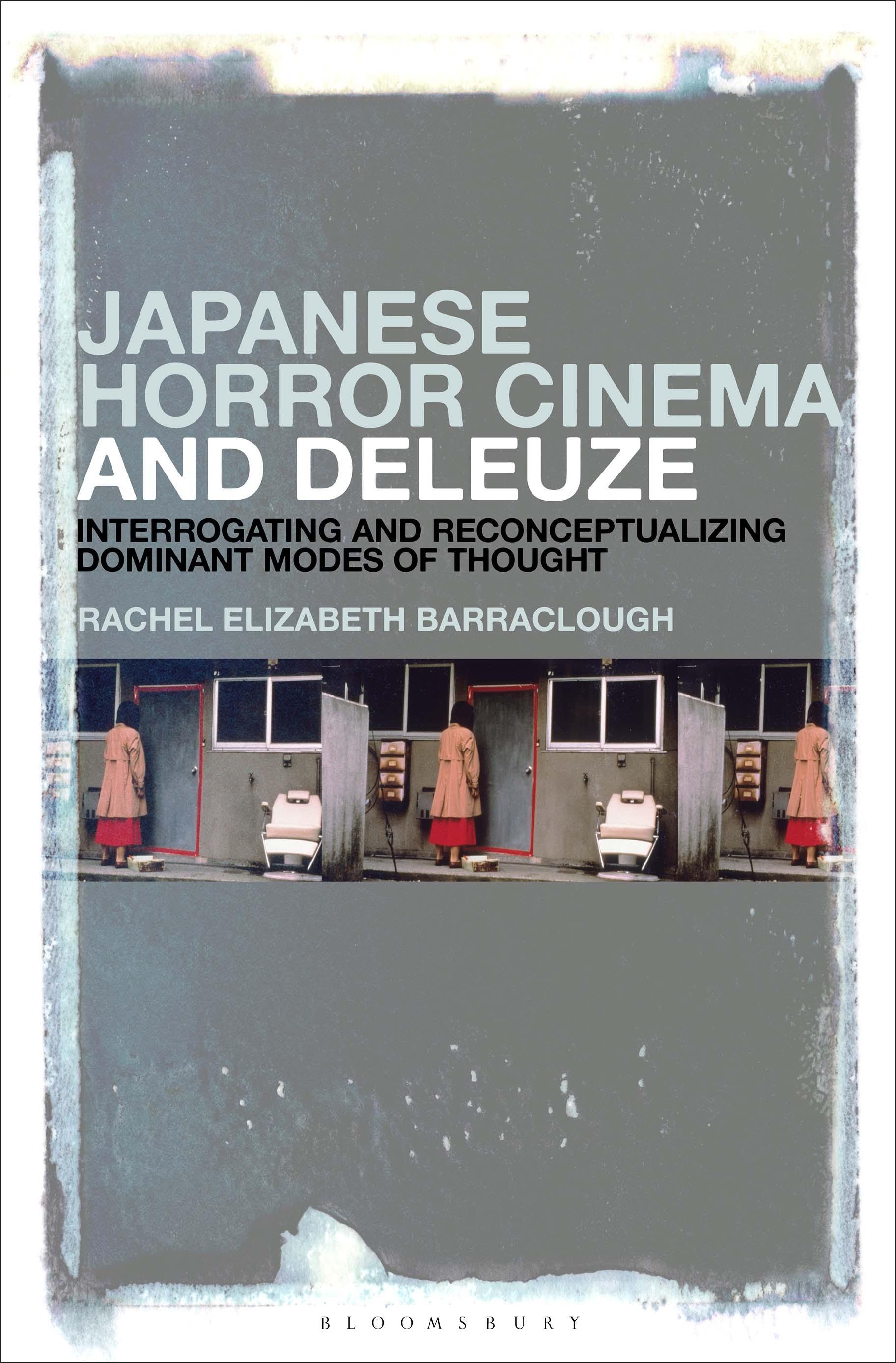
Using theories of national, transnational and world cinema, and genre theories and psychoanalysis as the basis of its argument, Japanese Horror Cinema and Deleuze argues that these understandings of Japanese horror films can be extended in new ways through the philosophy of Deleuze.
In particular, the complexities and nuances of how films like Ju-On: The Grudge (2002), Audition (1999) and Kairo (2001) (and beyond) form dynamic, transformative global networks between industries, directors and audiences can be considered. Furthermore, understandings of how key horror tropes and motifs apply to these films (and others more broadly), such as the idea of the “monstrous-feminine”, can be transformed, allowing these models to become more flexible.
In particular, the complexities and nuances of how films like Ju-On: The Grudge (2002), Audition (1999) and Kairo (2001) (and beyond) form dynamic, transformative global networks between industries, directors and audiences can be considered. Furthermore, understandings of how key horror tropes and motifs apply to these films (and others more broadly), such as the idea of the “monstrous-feminine”, can be transformed, allowing these models to become more flexible.
Płać wygodnie kartą, Klarną, Apple Pay lub Google Pay. Nie jesteś zadowolony? Zawsze masz 14-dniową gwarancję zwrotu pieniędzy. Więcej przeczytasz w naszych warunkach. Masz pytania? Napisz do nas na hello@memmo.org.
Memmo ułatwia naukę – gdziekolwiek jesteś na świecie. U nas znajdziesz podręczniki i sprytne narzędzia do nauki w jednym miejscu: streszczenia, quizy, podcasty i fiszki. A do tego Ted, Twój kumpel do nauki, który odpowie na wszystko, co Cię nurtuje. Ponad 50 000 studentów już tu się uczy – stworzone, byś uczył się szybciej i mniej stresował.