
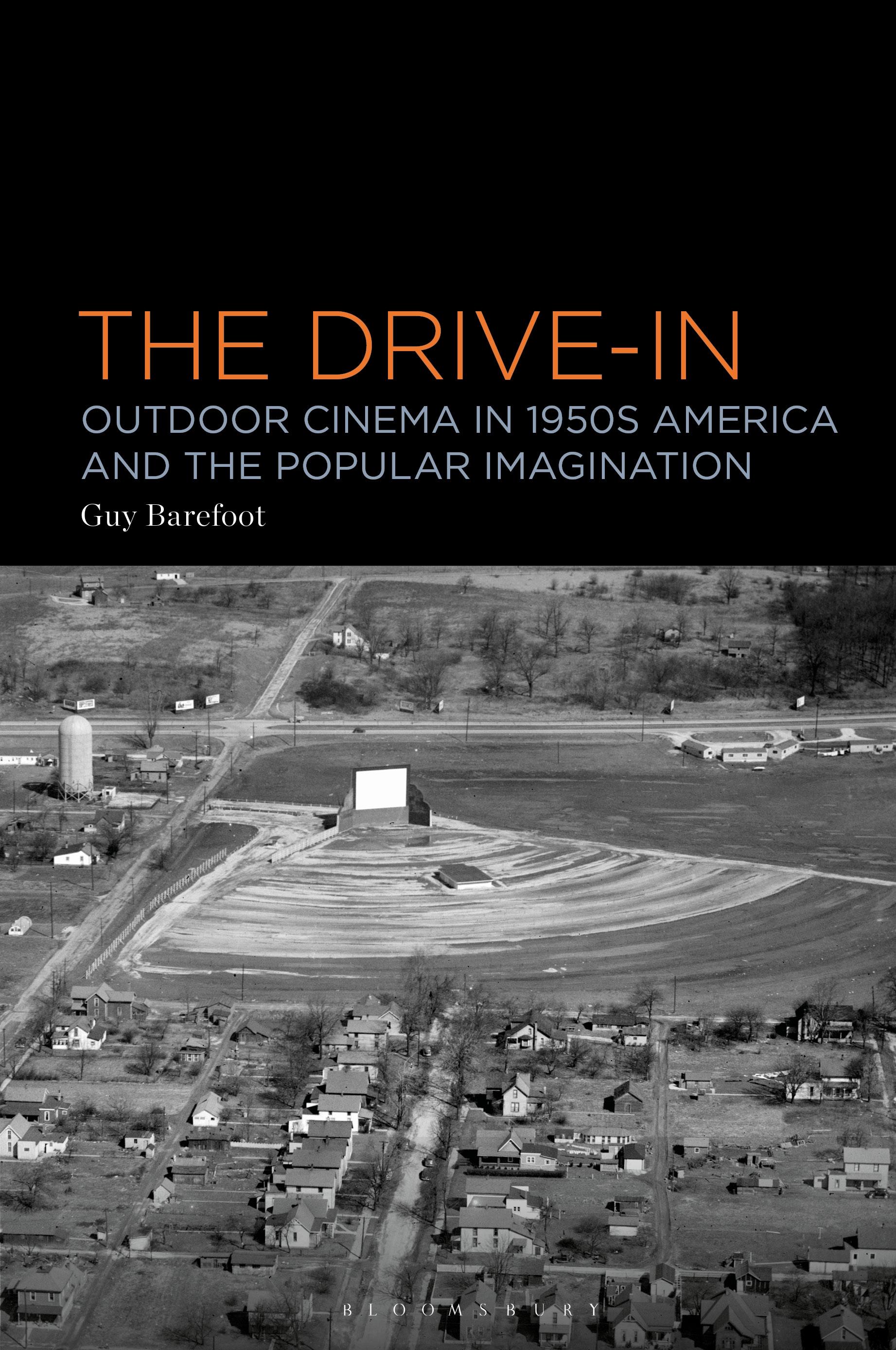
The Drive-In meaningfully contributes to the complex picture of outdoor cinema that has been central to American culture and to a history of US cinema based on diverse viewing experiences rather than a select number of films.
Drive-in cinemas flourished in 1950s America, in some summer weeks to the extent that there were more cinemagoers outdoors than indoors. Often associated with teenagers interested in the drive-in as a 'passion pit' or a venue for exploitation films, accounts of the 1950s American drive-in tend to emphasise their popularity with families with young children, downplaying the importance of a film programme apparently limited to old, low-budget or independent films and characterising drive-in operators as industry outsiders. They retain a hold on the popular imagination.
The Drive-In identifies the mix of generations in the drive-in audience as well as accounts that articulate individual experiences, from the drive-in as a dating venue to a segregated space. Through detailed analysis of the film industry trade press, local newspapers and a range of other primary sources including archival records on cinemas and cinema circuits in Arkansas, California, New York State and Texas, this book examines how drive-ins were integrated into local communities and the film industry and reveals the importance and range of drive-in programmes that were often close to that of their indoor neighbours.
Drive-in cinemas flourished in 1950s America, in some summer weeks to the extent that there were more cinemagoers outdoors than indoors. Often associated with teenagers interested in the drive-in as a 'passion pit' or a venue for exploitation films, accounts of the 1950s American drive-in tend to emphasise their popularity with families with young children, downplaying the importance of a film programme apparently limited to old, low-budget or independent films and characterising drive-in operators as industry outsiders. They retain a hold on the popular imagination.
The Drive-In identifies the mix of generations in the drive-in audience as well as accounts that articulate individual experiences, from the drive-in as a dating venue to a segregated space. Through detailed analysis of the film industry trade press, local newspapers and a range of other primary sources including archival records on cinemas and cinema circuits in Arkansas, California, New York State and Texas, this book examines how drive-ins were integrated into local communities and the film industry and reveals the importance and range of drive-in programmes that were often close to that of their indoor neighbours.
Strony: 272
Kategoria: Film- & Medievetenskap
e-ISBN: 9781501365911
Waga przesyłki: 1.2 kg
Wysyłka w ciągu: 1-2 dni
Płać wygodnie kartą, Klarną, Apple Pay lub Google Pay. Nie jesteś zadowolony? Zawsze masz 14-dniową gwarancję zwrotu pieniędzy. Więcej przeczytasz w naszych warunkach. Masz pytania? Napisz do nas na hello@memmo.org.
Memmo ułatwia naukę – gdziekolwiek jesteś na świecie. U nas znajdziesz podręczniki i sprytne narzędzia do nauki w jednym miejscu: streszczenia, quizy, podcasty i fiszki. A do tego Ted, Twój kumpel do nauki, który odpowie na wszystko, co Cię nurtuje. Ponad 50 000 studentów już tu się uczy – stworzone, byś uczył się szybciej i mniej stresował.