
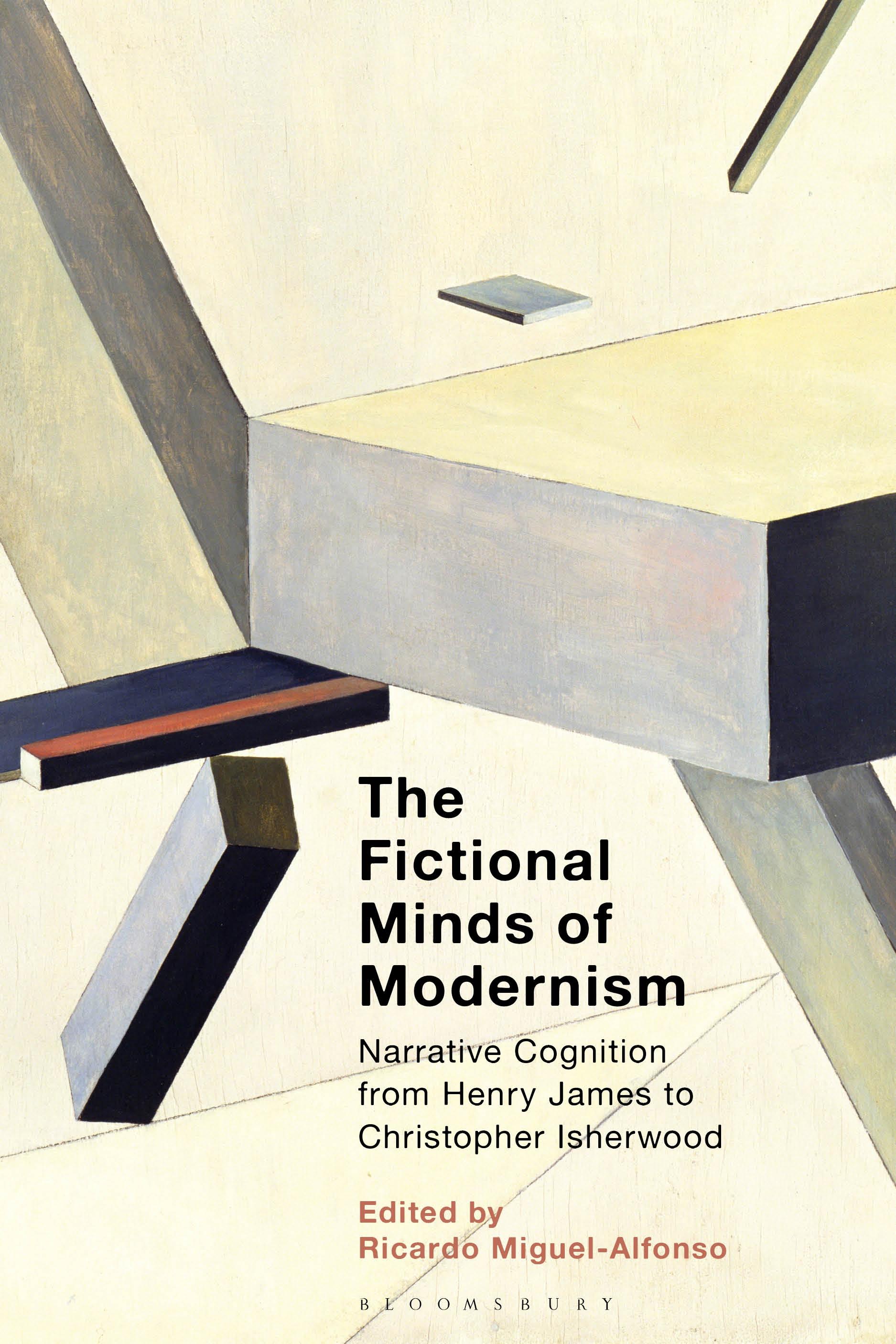
Challenging the notion that modernism is marked by an “inward turn” – a configuration of the individual as distinct from the world – this collection delineates the relationship between the mind and material and social systems, rethinking our understanding of modernism's representation of cognitive and affective processes.
Through analysis of a variety of international novels, short stories, and films – all published roughly between 1890 and 1945 – the contributors to this collection demonstrate that the so-called “inward turn” of modernist narratives in fact reflects the necessary interaction between mind, self, and world that constitutes knowledge, and therefore precludes any radical split between these categories. The essays examine the cognitive value of modernist narrative, showing how the perception of objects and of other people is a relational activity that requires an awareness of the constant flux of reality. The Fictional Minds of Modernism explores how modernist narratives offer insights into the real, historical world not as a mere object of contemplation but as an object of knowledge, thus bridging the gap between classical narratology and modernist experimentation.
Through analysis of a variety of international novels, short stories, and films – all published roughly between 1890 and 1945 – the contributors to this collection demonstrate that the so-called “inward turn” of modernist narratives in fact reflects the necessary interaction between mind, self, and world that constitutes knowledge, and therefore precludes any radical split between these categories. The essays examine the cognitive value of modernist narrative, showing how the perception of objects and of other people is a relational activity that requires an awareness of the constant flux of reality. The Fictional Minds of Modernism explores how modernist narratives offer insights into the real, historical world not as a mere object of contemplation but as an object of knowledge, thus bridging the gap between classical narratology and modernist experimentation.
Płać wygodnie kartą, Klarną, Apple Pay lub Google Pay. Nie jesteś zadowolony? Zawsze masz 14-dniową gwarancję zwrotu pieniędzy. Więcej przeczytasz w naszych warunkach. Masz pytania? Napisz do nas na hello@memmo.org.
Memmo ułatwia naukę – gdziekolwiek jesteś na świecie. U nas znajdziesz podręczniki i sprytne narzędzia do nauki w jednym miejscu: streszczenia, quizy, podcasty i fiszki. A do tego Ted, Twój kumpel do nauki, który odpowie na wszystko, co Cię nurtuje. Ponad 50 000 studentów już tu się uczy – stworzone, byś uczył się szybciej i mniej stresował.