
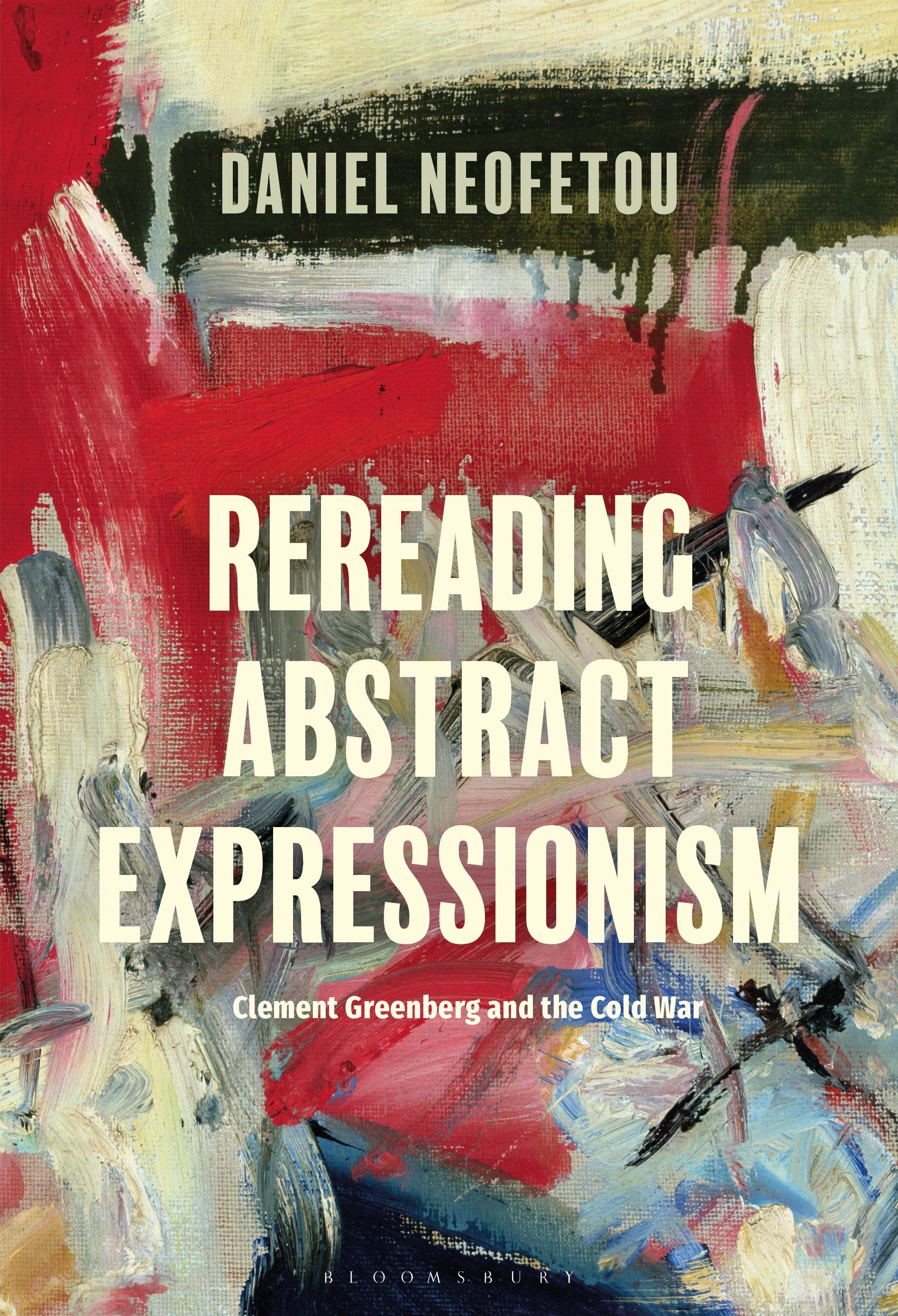
Since the 1970s, it has been argued that Abstract Expressionism was exhibited abroad by the post-war US establishment in an attempt to culturally match and reinforce its newfound economic and military dominance. The account of Abstract Expressionism developed by the American critic Clement Greenberg is often identified as central to these efforts. However, this book rereads Greenberg's account through Theodor Adorno and Maurice Merleau-Ponty in order to contend that Greenberg's criticism in fact testifies to how Abstract Expressionism opposes the ends to which it was deployed.
With reference not only to the most famous artists of the movement, but also female artists and artists of colour whom Greenberg himself neglected, such as Joan Mitchell and Norman Lewis, it is argued that, far from reinforcing the capitalist status quo, Abstract Expressionism engages corporeal and affective elements of experience dismissed or delegitimated by capitalism, and promises a world that would do justice to them.
With reference not only to the most famous artists of the movement, but also female artists and artists of colour whom Greenberg himself neglected, such as Joan Mitchell and Norman Lewis, it is argued that, far from reinforcing the capitalist status quo, Abstract Expressionism engages corporeal and affective elements of experience dismissed or delegitimated by capitalism, and promises a world that would do justice to them.
Strony: 240
Kategoria: Konst, Design & Fotografi
e-ISBN: 9781501358395
Waga przesyłki: 1.2 kg
Wysyłka w ciągu: 1-2 dni
Płać wygodnie kartą, Klarną, Apple Pay lub Google Pay. Nie jesteś zadowolony? Zawsze masz 14-dniową gwarancję zwrotu pieniędzy. Więcej przeczytasz w naszych warunkach. Masz pytania? Napisz do nas na hello@memmo.org.
Memmo ułatwia naukę – gdziekolwiek jesteś na świecie. U nas znajdziesz podręczniki i sprytne narzędzia do nauki w jednym miejscu: streszczenia, quizy, podcasty i fiszki. A do tego Ted, Twój kumpel do nauki, który odpowie na wszystko, co Cię nurtuje. Ponad 50 000 studentów już tu się uczy – stworzone, byś uczył się szybciej i mniej stresował.