
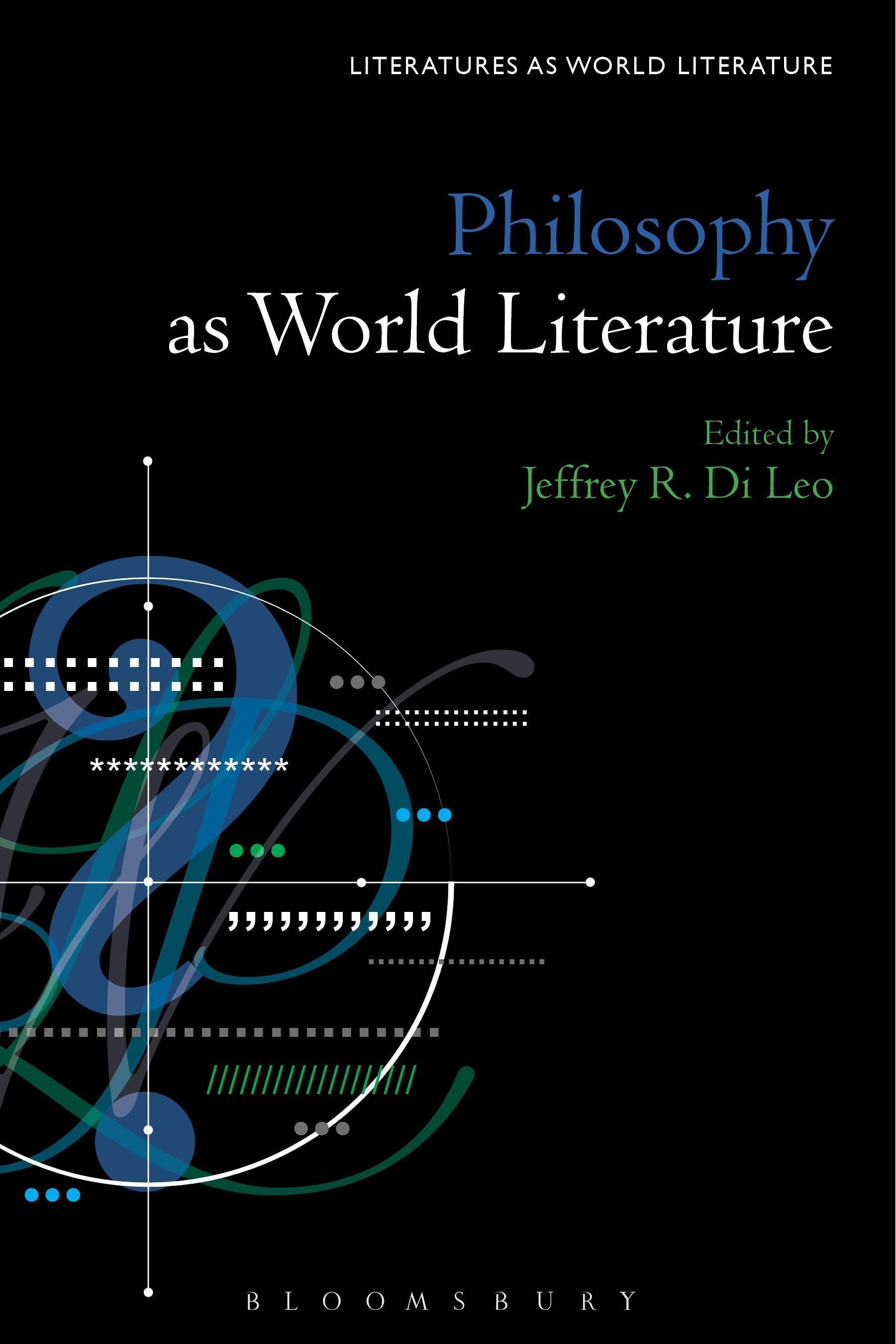
What does it mean to consider philosophy as a species of not just literature but world literature? The authors in this collection explore philosophy through the lens of the "worlding" of literature--that is, how philosophy is connected and reconnected through global literary networks that cross borders, mix stories, and speak in translation and dialect.
Historically, much of the world's most influential philosophy, from Plato's dialogues and Augustine's confessions to Nietzsche's aphorisms and Sartre's plays, was a form of literature--as well as, by extension, a form of world literature. Philosophy as World Literature offers a variety of accounts of how the worlding of literature problematizes the national categorizing of philosophy and brings new meanings and challenges to the discussion of intersections between philosophy and literature.
Historically, much of the world's most influential philosophy, from Plato's dialogues and Augustine's confessions to Nietzsche's aphorisms and Sartre's plays, was a form of literature--as well as, by extension, a form of world literature. Philosophy as World Literature offers a variety of accounts of how the worlding of literature problematizes the national categorizing of philosophy and brings new meanings and challenges to the discussion of intersections between philosophy and literature.
Strony: 304
Kategoria: Litteraturvetenskap & Teori
e-ISBN: 9781501351884
Waga przesyłki: 1.2 kg
Wysyłka w ciągu: 1-2 dni
Płać wygodnie kartą, Klarną, Apple Pay lub Google Pay. Nie jesteś zadowolony? Zawsze masz 14-dniową gwarancję zwrotu pieniędzy. Więcej przeczytasz w naszych warunkach. Masz pytania? Napisz do nas na hello@memmo.org.
Memmo ułatwia naukę – gdziekolwiek jesteś na świecie. U nas znajdziesz podręczniki i sprytne narzędzia do nauki w jednym miejscu: streszczenia, quizy, podcasty i fiszki. A do tego Ted, Twój kumpel do nauki, który odpowie na wszystko, co Cię nurtuje. Ponad 50 000 studentów już tu się uczy – stworzone, byś uczył się szybciej i mniej stresował.