
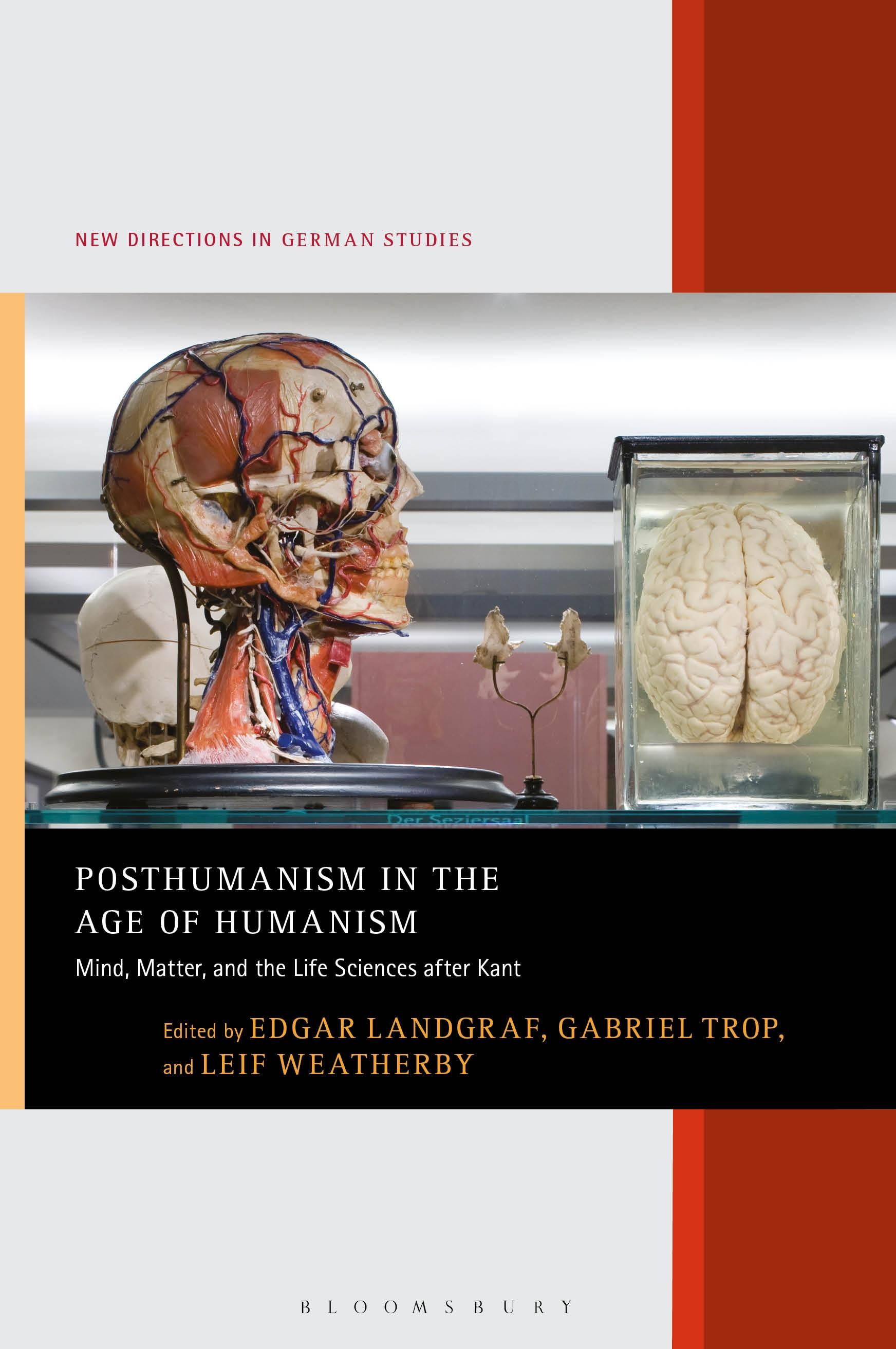
The literary and scientific renaissance that struck Germany around 1800 is usually taken to be the cradle of contemporary humanism. Posthumanism in the Age of Humanism shows how figures like Immanuel Kant and Johann Wolfgang Goethe as well as scientists specializing in the emerging modern life and cognitive sciences not only established but also transgressed the boundaries of the “human.”
This period so broadly painted as humanist by proponents and detractors alike also grappled with ways of challenging some of humanism's most cherished assumptions: the dualisms, for example, between freedom and nature, science and art, matter and spirit, mind and body, and thereby also between the human and the nonhuman. Posthumanism is older than we think, and the so-called “humanists” of the late Enlightenment have much to offer our contemporary re-thinking of the human.
This period so broadly painted as humanist by proponents and detractors alike also grappled with ways of challenging some of humanism's most cherished assumptions: the dualisms, for example, between freedom and nature, science and art, matter and spirit, mind and body, and thereby also between the human and the nonhuman. Posthumanism is older than we think, and the so-called “humanists” of the late Enlightenment have much to offer our contemporary re-thinking of the human.
Płać wygodnie kartą, Klarną, Apple Pay lub Google Pay. Nie jesteś zadowolony? Zawsze masz 14-dniową gwarancję zwrotu pieniędzy. Więcej przeczytasz w naszych warunkach. Masz pytania? Napisz do nas na hello@memmo.org.
Memmo ułatwia naukę – gdziekolwiek jesteś na świecie. U nas znajdziesz podręczniki i sprytne narzędzia do nauki w jednym miejscu: streszczenia, quizy, podcasty i fiszki. A do tego Ted, Twój kumpel do nauki, który odpowie na wszystko, co Cię nurtuje. Ponad 50 000 studentów już tu się uczy – stworzone, byś uczył się szybciej i mniej stresował.