
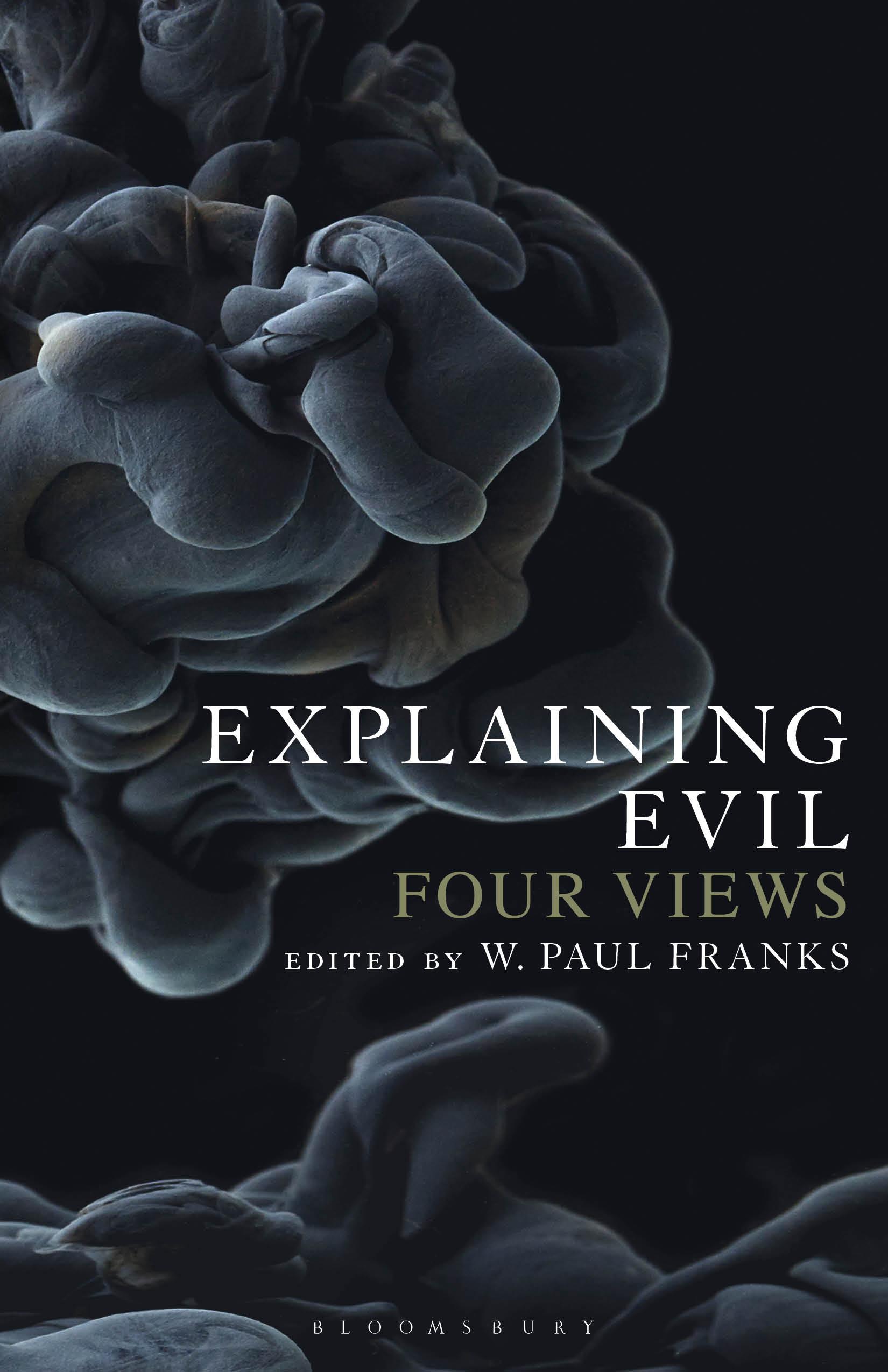
In Explaining Evil four prominent philosophers, two theists and two non-theists, present their arguments for why evil exists. Taking a "position and response" format, in which one philosopher offers an account of evil and three others respond, this book guides readers through the advantages and limitations of various philosophical positions on evil, making it ideal for classroom use as well as individual study.
Divided into four chapters, Explaining Evil covers Theistic Libertarianism, Theistic Compatibilism, Atheistic Moral Realism and Atheistic Moral Non-realism. It features topics including free will, theism, atheism, goodness, Calvinism, evolutionary ethics, and pain, and demonstrates some of the dominant models of thinking within contemporary philosophy of religion and ethics.
Written in accessible prose and with an approachable structure, this book provides a clear and useful overview of the central issues of the philosophy of evil.
Divided into four chapters, Explaining Evil covers Theistic Libertarianism, Theistic Compatibilism, Atheistic Moral Realism and Atheistic Moral Non-realism. It features topics including free will, theism, atheism, goodness, Calvinism, evolutionary ethics, and pain, and demonstrates some of the dominant models of thinking within contemporary philosophy of religion and ethics.
Written in accessible prose and with an approachable structure, this book provides a clear and useful overview of the central issues of the philosophy of evil.
Płać wygodnie kartą, Klarną, Apple Pay lub Google Pay. Nie jesteś zadowolony? Zawsze masz 14-dniową gwarancję zwrotu pieniędzy. Więcej przeczytasz w naszych warunkach. Masz pytania? Napisz do nas na hello@memmo.org.
Memmo ułatwia naukę – gdziekolwiek jesteś na świecie. U nas znajdziesz podręczniki i sprytne narzędzia do nauki w jednym miejscu: streszczenia, quizy, podcasty i fiszki. A do tego Ted, Twój kumpel do nauki, który odpowie na wszystko, co Cię nurtuje. Ponad 50 000 studentów już tu się uczy – stworzone, byś uczył się szybciej i mniej stresował.