
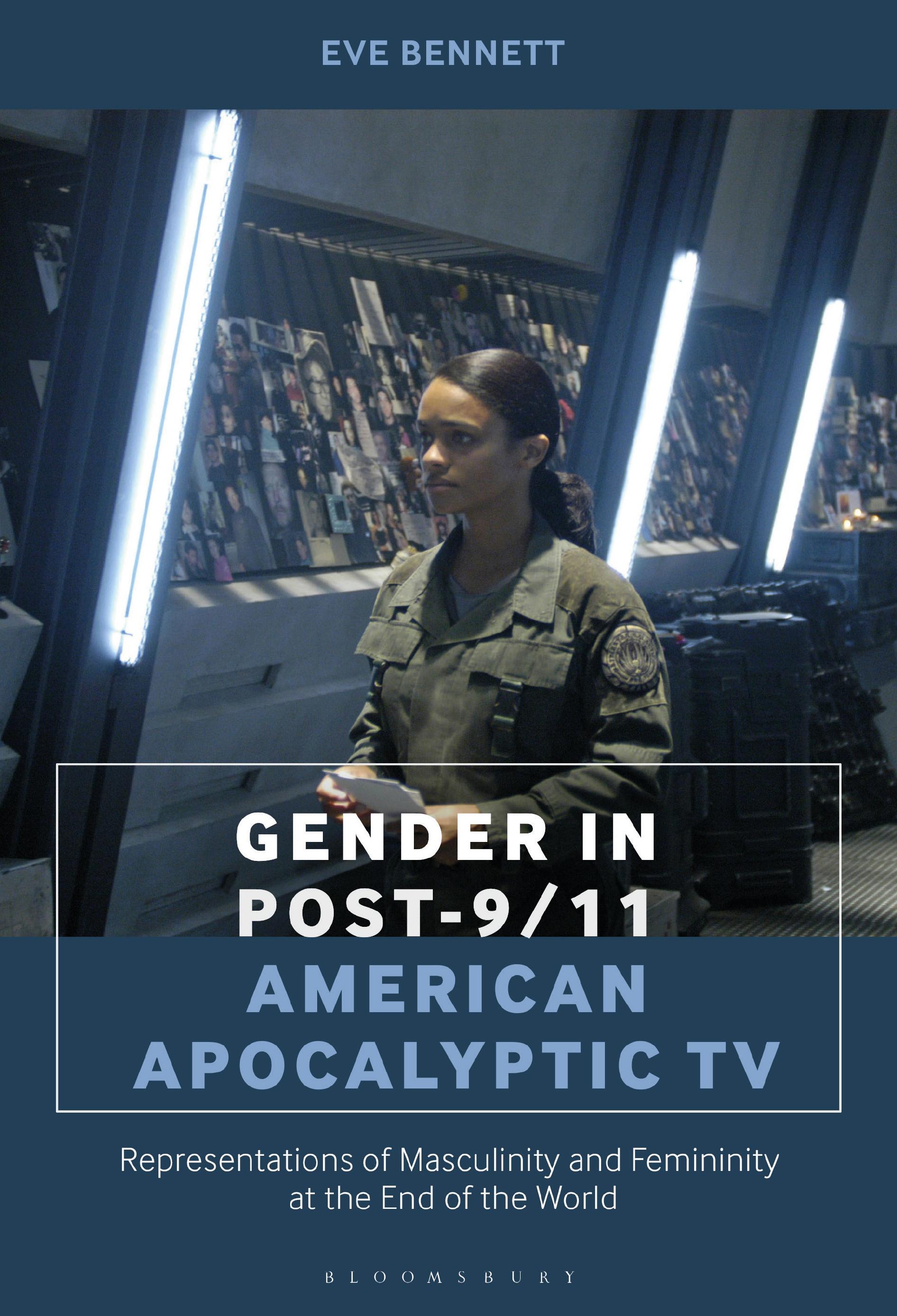
In the years following 9/11, American TV developed a preoccupation with apocalypse. Science fiction and fantasy shows ranging from Firefly to Heroes, from the rebooted Battlestar Galactica to Lost, envisaged scenarios in which world-changing disasters were either threatened or actually took place. During the same period numerous commentators observed that the American media's representation of gender had undergone a marked regression, possibly, it was suggested, as a consequence of the 9/11 attacks and the feelings of weakness and insecurity they engendered in the nation's men.
Eve Bennett investigates whether the same impulse to return to traditional images of masculinity and femininity can be found in the contemporary cycle of apocalyptic series, programmes which, like 9/11 itself, present plenty of opportunity for narratives of damsels-in-distress and heroic male rescuers. However, as this book shows, whether such narratives play out in the expected manner is another matter.
Eve Bennett investigates whether the same impulse to return to traditional images of masculinity and femininity can be found in the contemporary cycle of apocalyptic series, programmes which, like 9/11 itself, present plenty of opportunity for narratives of damsels-in-distress and heroic male rescuers. However, as this book shows, whether such narratives play out in the expected manner is another matter.
Płać wygodnie kartą, Klarną, Apple Pay lub Google Pay. Nie jesteś zadowolony? Zawsze masz 14-dniową gwarancję zwrotu pieniędzy. Więcej przeczytasz w naszych warunkach. Masz pytania? Napisz do nas na hello@memmo.org.
Memmo ułatwia naukę – gdziekolwiek jesteś na świecie. U nas znajdziesz podręczniki i sprytne narzędzia do nauki w jednym miejscu: streszczenia, quizy, podcasty i fiszki. A do tego Ted, Twój kumpel do nauki, który odpowie na wszystko, co Cię nurtuje. Ponad 50 000 studentów już tu się uczy – stworzone, byś uczył się szybciej i mniej stresował.