
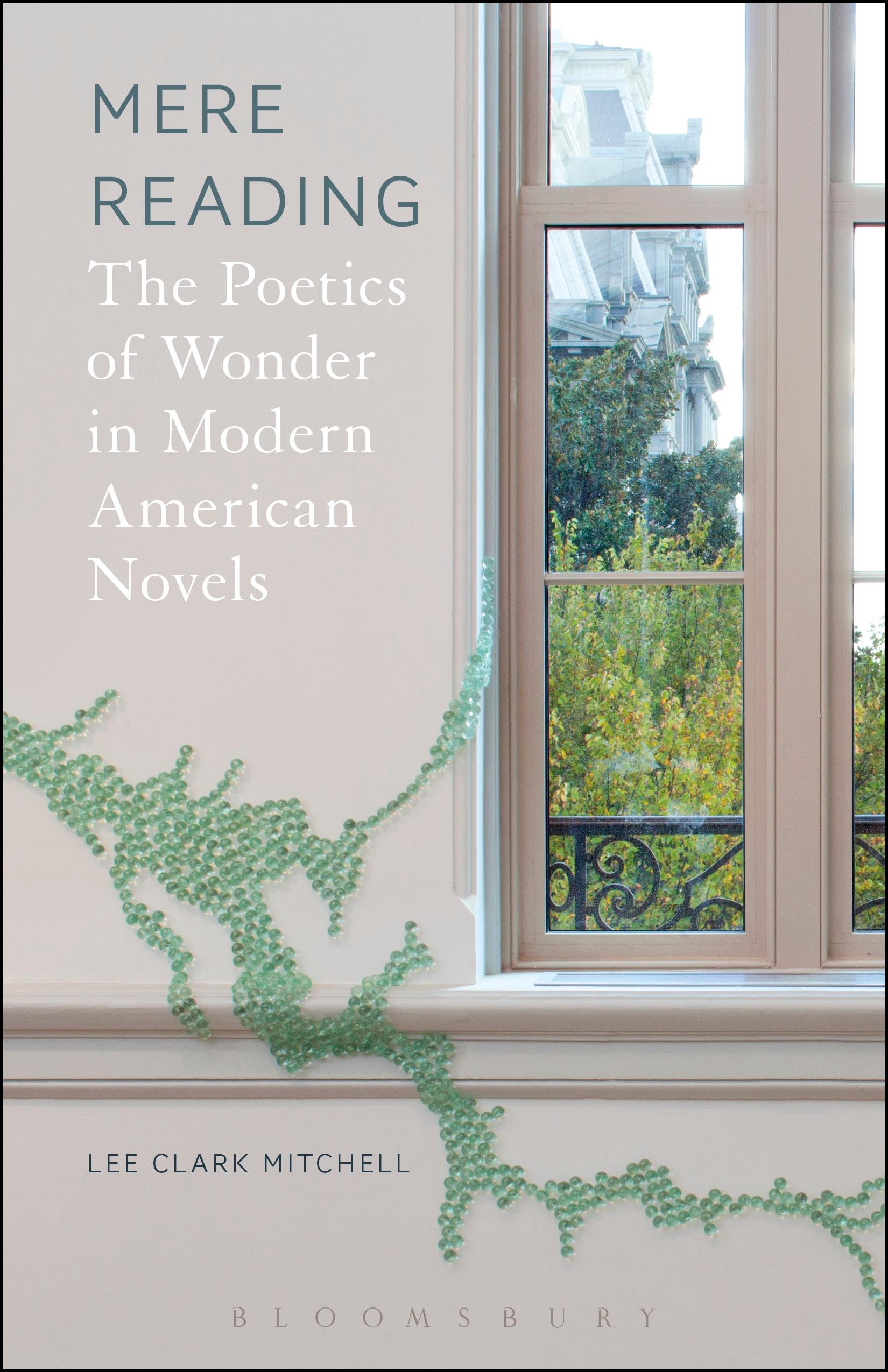
Named a Choice Outstanding Academic Title of the Year
Mere Reading argues for a return to the foundations of literary study established nearly a century ago. Following a recent period dominated by symptomatic analyses of fictional texts (new historicist, Marxist, feminist, identity-political), Lee Clark Mitchell joins a burgeoning neo-formalist movement in challenging readers to embrace a rationale for literary criticism that has too long been ignored-a neglect that corresponds, perhaps not coincidentally, to a flight from literature courses themselves.
In close readings of six American novels spread over the past century-Willa Cather's The Professor's House, Vladimir Nabokov's Lolita, Marilynne Robinson's Housekeeping, Cormac McCarthy's Blood Meridian and The Road, and Junot Díaz's The Brief Wondrous Life of Oscar Wao-Mitchell traces a shifting strain of late modernist innovation that celebrates a species of magic and wonder, of aesthetic “bliss” (as Barthes and Nabokov both coincidentally described the experience) that dumbfounds the reader and compels a reassessment of interpretive assumptions. The novels included here aspire to being read slowly, so that sounds, rhythms, repetitions, rhymes, and other verbal features take on a heightened poetic status-in critic Barbara Johnson's words, “the rigorous perversity and seductiveness of literary language”-thwarting pressures of plot that otherwise push us ineluctably forward.
In each chapter, the return to “mere reading” becomes paradoxically a gesture that honors the intractability of fictional texts, their sheer irresolution, indeed the way in which their “literary” status rests on the play of irreconcilables that emerges from the verbal tensions we find ourselves first astonished by, then delighting in.
Mere Reading argues for a return to the foundations of literary study established nearly a century ago. Following a recent period dominated by symptomatic analyses of fictional texts (new historicist, Marxist, feminist, identity-political), Lee Clark Mitchell joins a burgeoning neo-formalist movement in challenging readers to embrace a rationale for literary criticism that has too long been ignored-a neglect that corresponds, perhaps not coincidentally, to a flight from literature courses themselves.
In close readings of six American novels spread over the past century-Willa Cather's The Professor's House, Vladimir Nabokov's Lolita, Marilynne Robinson's Housekeeping, Cormac McCarthy's Blood Meridian and The Road, and Junot Díaz's The Brief Wondrous Life of Oscar Wao-Mitchell traces a shifting strain of late modernist innovation that celebrates a species of magic and wonder, of aesthetic “bliss” (as Barthes and Nabokov both coincidentally described the experience) that dumbfounds the reader and compels a reassessment of interpretive assumptions. The novels included here aspire to being read slowly, so that sounds, rhythms, repetitions, rhymes, and other verbal features take on a heightened poetic status-in critic Barbara Johnson's words, “the rigorous perversity and seductiveness of literary language”-thwarting pressures of plot that otherwise push us ineluctably forward.
In each chapter, the return to “mere reading” becomes paradoxically a gesture that honors the intractability of fictional texts, their sheer irresolution, indeed the way in which their “literary” status rests on the play of irreconcilables that emerges from the verbal tensions we find ourselves first astonished by, then delighting in.
Strony: 240
Kategoria: Litteraturvetenskap & Teori
e-ISBN: 9781501329678
Waga przesyłki: 1.2 kg
Wysyłka w ciągu: 1-2 dni
Płać wygodnie kartą, Klarną, Apple Pay lub Google Pay. Nie jesteś zadowolony? Zawsze masz 14-dniową gwarancję zwrotu pieniędzy. Więcej przeczytasz w naszych warunkach. Masz pytania? Napisz do nas na hello@memmo.org.
Memmo ułatwia naukę – gdziekolwiek jesteś na świecie. U nas znajdziesz podręczniki i sprytne narzędzia do nauki w jednym miejscu: streszczenia, quizy, podcasty i fiszki. A do tego Ted, Twój kumpel do nauki, który odpowie na wszystko, co Cię nurtuje. Ponad 50 000 studentów już tu się uczy – stworzone, byś uczył się szybciej i mniej stresował.