
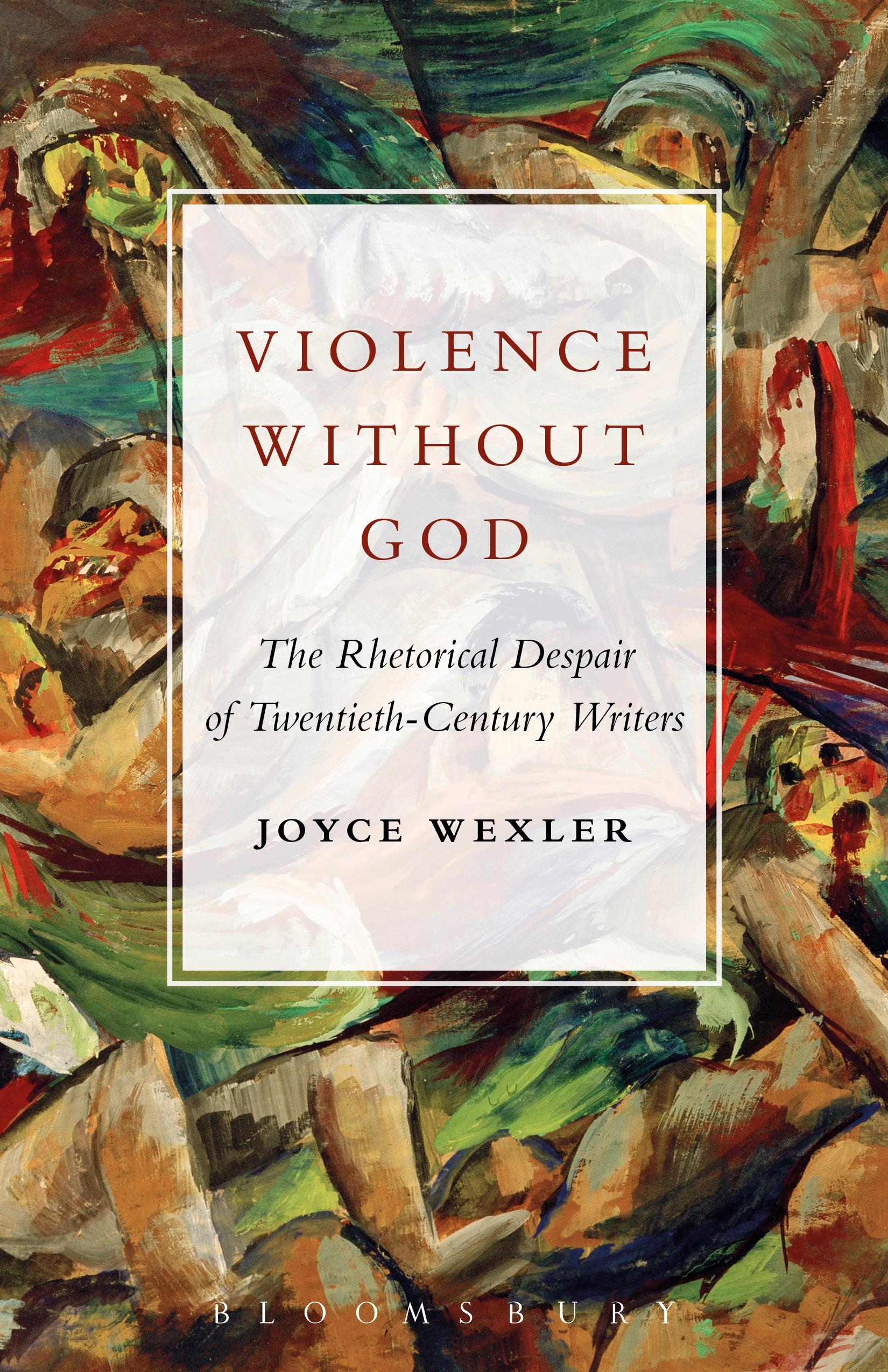
As twentieth-century writers confronted the political violence of their time, they were overcome by rhetorical despair. Unspeakable acts left writers speechless. They knew that the atrocities of the century had to be recorded, but how? A dead body does not explain itself, and the narrative of the suicide bomber is not the story of the child killed in the blast. In the past, communal beliefs had justified or condemned the most horrific acts, but the late nineteenth-century crisis of belief made it more difficult to come to terms with the meaning of violence.
In this major new study, Joyce Wexler argues that this situation produced an aesthetic dilemma that writers solved by inventing new forms. Although Symbolism, Expressionism, Modernism, Magic Realism, and Postmodernism have been criticized for turning away from public events, these forms allowed writers to represent violence without imposing a specific meaning on events or claiming to explain them. Wexler's investigation of the way we think and write about violence takes her across national and period boundaries and into the work of some of the greatest writers of the century, among them Joseph Conrad, T. S. Eliot, D. H. Lawrence, James Joyce, Alfred Döblin, Günter Grass, Gabriel García Márquez, Salman Rushdie, and W. G. Sebald.
In this major new study, Joyce Wexler argues that this situation produced an aesthetic dilemma that writers solved by inventing new forms. Although Symbolism, Expressionism, Modernism, Magic Realism, and Postmodernism have been criticized for turning away from public events, these forms allowed writers to represent violence without imposing a specific meaning on events or claiming to explain them. Wexler's investigation of the way we think and write about violence takes her across national and period boundaries and into the work of some of the greatest writers of the century, among them Joseph Conrad, T. S. Eliot, D. H. Lawrence, James Joyce, Alfred Döblin, Günter Grass, Gabriel García Márquez, Salman Rushdie, and W. G. Sebald.
Strony: 176
Kategoria: Litteraturvetenskap & Teori
e-ISBN: 9781501325311
Waga przesyłki: 1.2 kg
Wysyłka w ciągu: 1-2 dni
Płać wygodnie kartą, Klarną, Apple Pay lub Google Pay. Nie jesteś zadowolony? Zawsze masz 14-dniową gwarancję zwrotu pieniędzy. Więcej przeczytasz w naszych warunkach. Masz pytania? Napisz do nas na hello@memmo.org.
Memmo ułatwia naukę – gdziekolwiek jesteś na świecie. U nas znajdziesz podręczniki i sprytne narzędzia do nauki w jednym miejscu: streszczenia, quizy, podcasty i fiszki. A do tego Ted, Twój kumpel do nauki, który odpowie na wszystko, co Cię nurtuje. Ponad 50 000 studentów już tu się uczy – stworzone, byś uczył się szybciej i mniej stresował.