
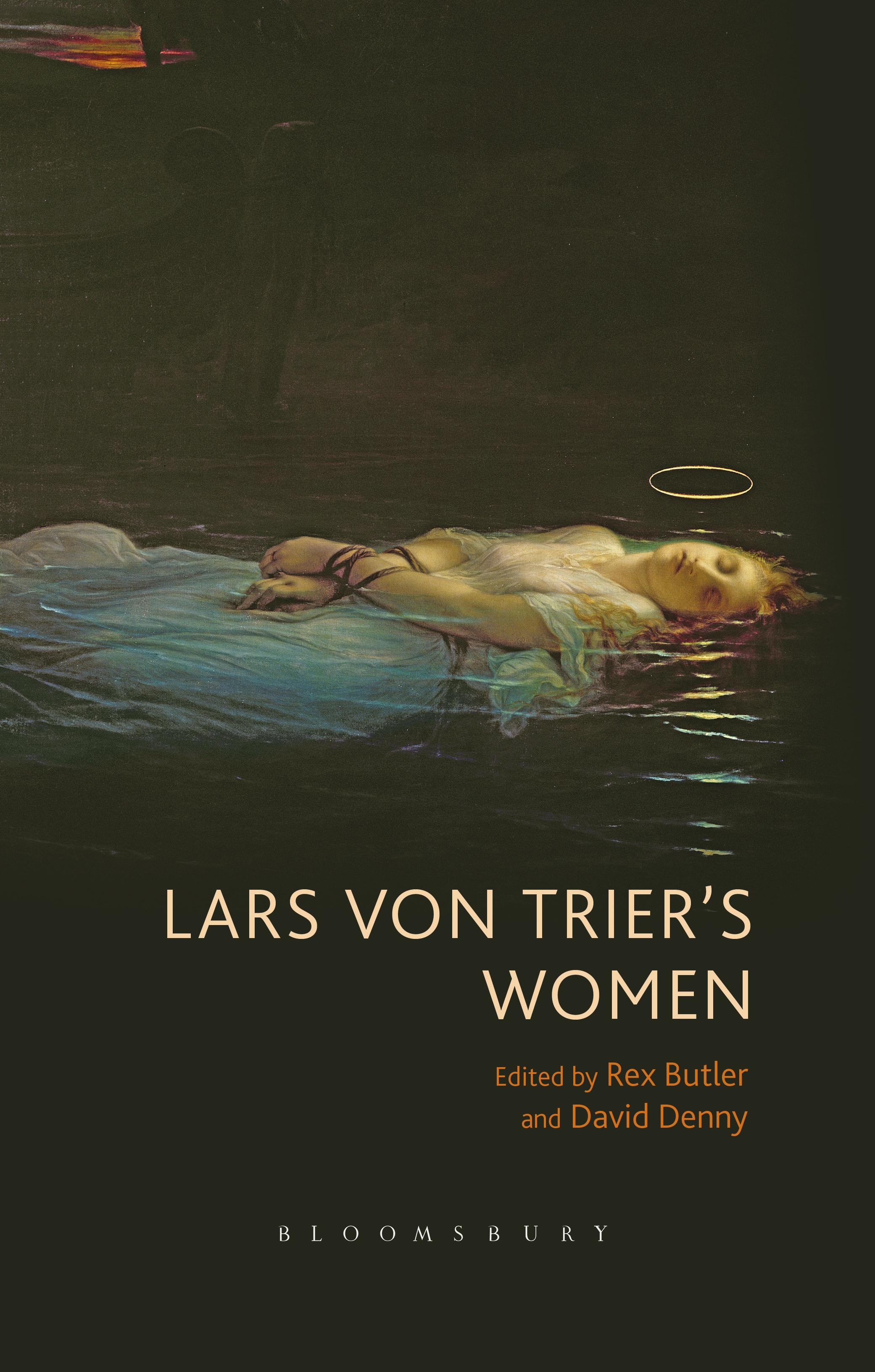
The Danish director Lars von Trier is undoubtedly one of the world's most important and controversial filmmakers, and arguably so because of the depiction of women in his films. He has been criticized for subjecting his female characters to unacceptable levels of violence or reducing them to masochistic self-abnegation, as with Bess in Breaking the Waves, 'She' in Antichrist and Joe in Nymphomaniac. At other times, it is the women in his films who are dominant or break out in violence, as in his adaptation of Euripides' Medea, the conclusion of Dogville and perhaps throughout Nymphomaniac. Lars von Trier's Women confronts these dichotomies head on. Editors Rex Butler and David Denny do not take a position either for or against von Trier, but rather consider how both attitudes fall short of the real difficulty of his films, which may simply not conform to any kind of feminist or indeed anti-feminist politics as they are currently configured. Using Lacanian psychoanalysis and acknowledging the work of prior scholars on the films, Lars von Trier's Women reveals hidden resources for a renewed 'feminist' politics and social practice.
Płać wygodnie kartą, Klarną, Apple Pay lub Google Pay. Nie jesteś zadowolony? Zawsze masz 14-dniową gwarancję zwrotu pieniędzy. Więcej przeczytasz w naszych warunkach. Masz pytania? Napisz do nas na hello@memmo.org.
Memmo ułatwia naukę – gdziekolwiek jesteś na świecie. U nas znajdziesz podręczniki i sprytne narzędzia do nauki w jednym miejscu: streszczenia, quizy, podcasty i fiszki. A do tego Ted, Twój kumpel do nauki, który odpowie na wszystko, co Cię nurtuje. Ponad 50 000 studentów już tu się uczy – stworzone, byś uczył się szybciej i mniej stresował.