
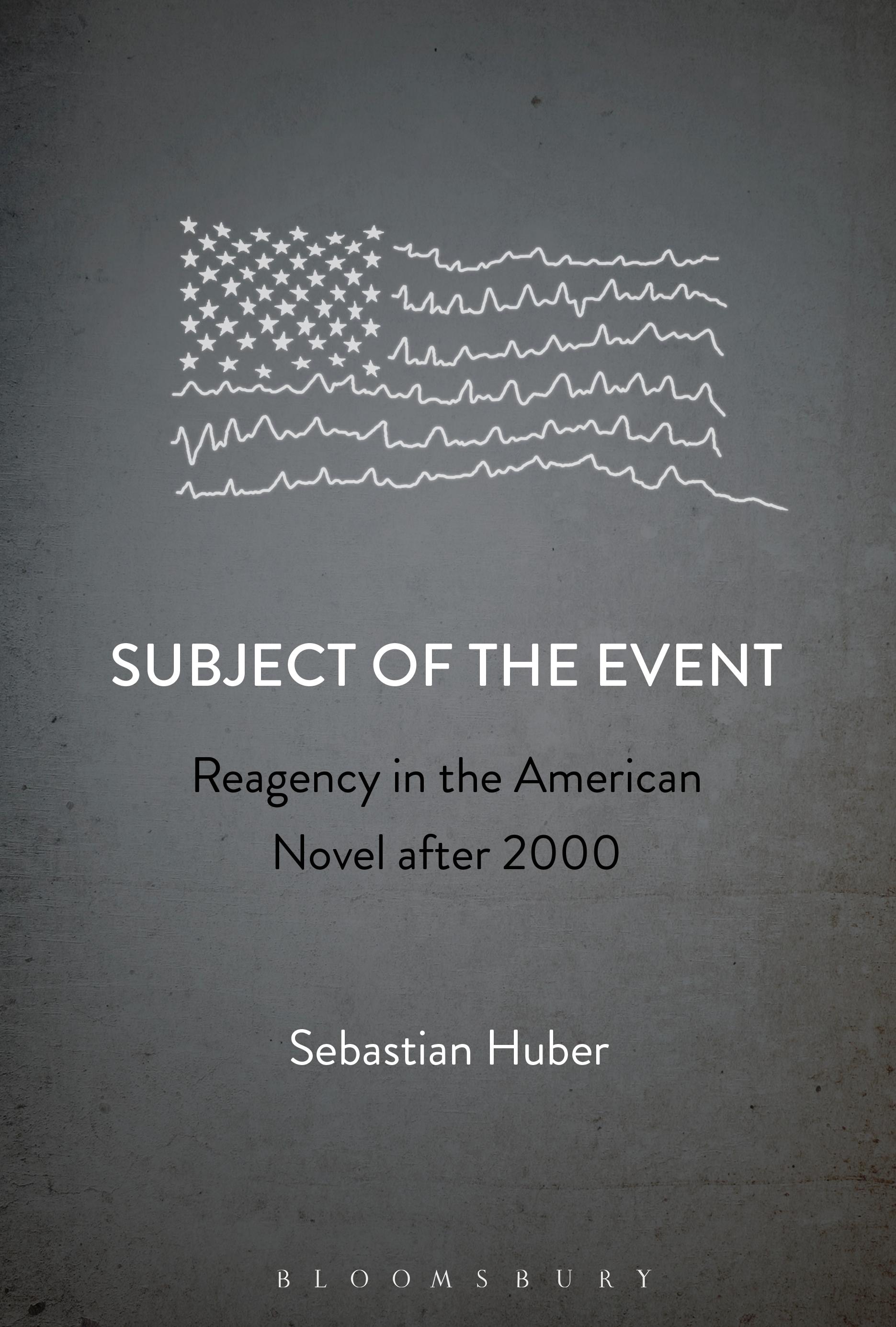
What does falling in love have in common with the fall of the Berlin Wall? Or the fall of the Twin Towers?
In the light of postmodernism's programmatic critique of a humanist notion of the subject and an emphatic understanding of events, Subject of the Event shows that selected American novels after 2000 offer an alternative to the “death of the subject.”
As the first book to comprehensively engage with Alain Badiou's writings outside of a philosophical context, Subject of the Event analyzes five critically acclaimed novels of the new millennium-Cormac McCarthy's The Road (2006), Jess Walter's The Zero (2006), Mark Z. Danielewski's Only Revolutions (2006), Paul Beatty's Slumberland (2008) and Thomas Pynchon's Against the Day (2006)-and argues that they create different 'subjects of the event' that are empowered with “reagency.” The “subject of the event” and its empowerment, what this book calls “reagency,” implies that subjects only evolve out of their confrontation with the revolutionary impetus that events propel. Unlike a humanist capability of having agency, reagency is defined as a repetitive subjective praxis that is contingent upon events, which is given a concrete literary form in the novels under investigation. Sebastian Huber explores how the American penchant for events (“new beginnings,” “clean slates,” “apocalypse”) is being critically dealt with in the novels at hand, while still offering an emphatic idea of singular disruptions that open up ways for subjects to affirm and become empowered by the new propositions of these happenings.
In the light of postmodernism's programmatic critique of a humanist notion of the subject and an emphatic understanding of events, Subject of the Event shows that selected American novels after 2000 offer an alternative to the “death of the subject.”
As the first book to comprehensively engage with Alain Badiou's writings outside of a philosophical context, Subject of the Event analyzes five critically acclaimed novels of the new millennium-Cormac McCarthy's The Road (2006), Jess Walter's The Zero (2006), Mark Z. Danielewski's Only Revolutions (2006), Paul Beatty's Slumberland (2008) and Thomas Pynchon's Against the Day (2006)-and argues that they create different 'subjects of the event' that are empowered with “reagency.” The “subject of the event” and its empowerment, what this book calls “reagency,” implies that subjects only evolve out of their confrontation with the revolutionary impetus that events propel. Unlike a humanist capability of having agency, reagency is defined as a repetitive subjective praxis that is contingent upon events, which is given a concrete literary form in the novels under investigation. Sebastian Huber explores how the American penchant for events (“new beginnings,” “clean slates,” “apocalypse”) is being critically dealt with in the novels at hand, while still offering an emphatic idea of singular disruptions that open up ways for subjects to affirm and become empowered by the new propositions of these happenings.
Strony: 304
Kategoria: Litteraturvetenskap & Teori
e-ISBN: 9781501317095
Waga przesyłki: 1.2 kg
Wysyłka w ciągu: 1-2 dni
Płać wygodnie kartą, Klarną, Apple Pay lub Google Pay. Nie jesteś zadowolony? Zawsze masz 14-dniową gwarancję zwrotu pieniędzy. Więcej przeczytasz w naszych warunkach. Masz pytania? Napisz do nas na hello@memmo.org.
Memmo ułatwia naukę – gdziekolwiek jesteś na świecie. U nas znajdziesz podręczniki i sprytne narzędzia do nauki w jednym miejscu: streszczenia, quizy, podcasty i fiszki. A do tego Ted, Twój kumpel do nauki, który odpowie na wszystko, co Cię nurtuje. Ponad 50 000 studentów już tu się uczy – stworzone, byś uczył się szybciej i mniej stresował.