
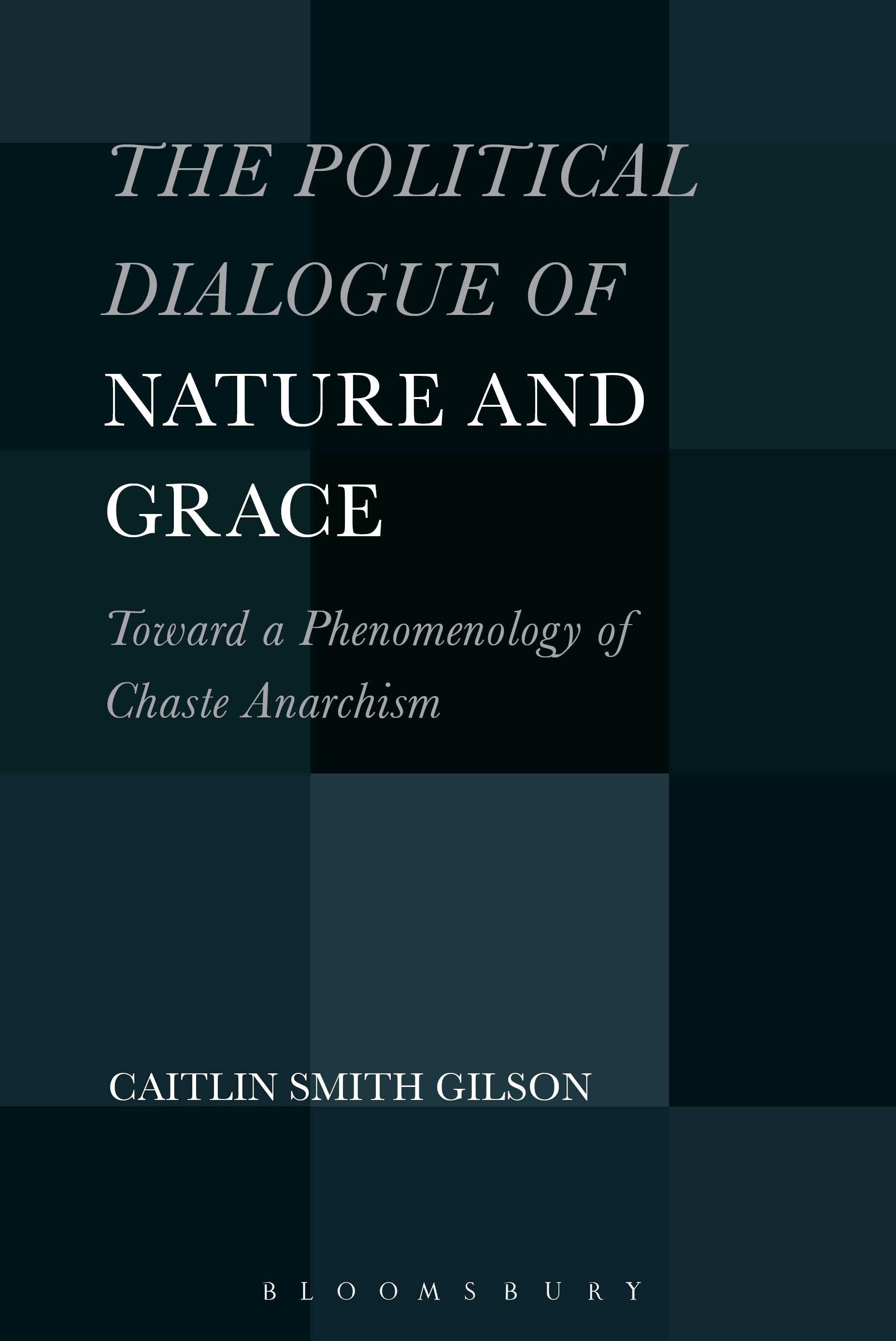
The discourse between nature and grace finds its linguistic and existential podium in the political condition of human beings. As Caitlin Smith Gilson shows, it is in this arena that the perennial territorial struggle of faith and reason, God and man, man and state, take place; and it is here that the understanding of the personal-as-political, as well as the political-as-personal, finds its meaning. And it is here, too, that the divine finds or is refused a home.
Any discussion of “post-secular society” has its origins in this political dialogue between nature and grace, the resolution of which might determine not only a future post-secular society but one in which awe is re-united to affection, solidarity and fraternity. Smith Gilson questions whether the idea of pure nature antecedently disregards the fact that grace enters existence and that this accomplishes a conversion in the metaphysical/existential region of man's action and being. This conversion alters how man acts as an affective, moral, intellectual, social, political and spiritual being. State of nature theories, transformed yet retained in the broader metaphysical and existential implications of the Hegelian Weltgeist, are shown to be indebted to the ideological restrictedness of pure nature (natura pura) as providing the foremost adversary to any meaningful type of divine presence within the polis, as well as inhibiting the phenomenological facticity of man as an open nature.
Any discussion of “post-secular society” has its origins in this political dialogue between nature and grace, the resolution of which might determine not only a future post-secular society but one in which awe is re-united to affection, solidarity and fraternity. Smith Gilson questions whether the idea of pure nature antecedently disregards the fact that grace enters existence and that this accomplishes a conversion in the metaphysical/existential region of man's action and being. This conversion alters how man acts as an affective, moral, intellectual, social, political and spiritual being. State of nature theories, transformed yet retained in the broader metaphysical and existential implications of the Hegelian Weltgeist, are shown to be indebted to the ideological restrictedness of pure nature (natura pura) as providing the foremost adversary to any meaningful type of divine presence within the polis, as well as inhibiting the phenomenological facticity of man as an open nature.
Strony: 320
Kategoria: Religion & Teologi
e-ISBN: 9781501308192
Waga przesyłki: 1.2 kg
Wysyłka w ciągu: 1-2 dni
Płać wygodnie kartą, Klarną, Apple Pay lub Google Pay. Nie jesteś zadowolony? Zawsze masz 14-dniową gwarancję zwrotu pieniędzy. Więcej przeczytasz w naszych warunkach. Masz pytania? Napisz do nas na hello@memmo.org.
Memmo ułatwia naukę – gdziekolwiek jesteś na świecie. U nas znajdziesz podręczniki i sprytne narzędzia do nauki w jednym miejscu: streszczenia, quizy, podcasty i fiszki. A do tego Ted, Twój kumpel do nauki, który odpowie na wszystko, co Cię nurtuje. Ponad 50 000 studentów już tu się uczy – stworzone, byś uczył się szybciej i mniej stresował.