
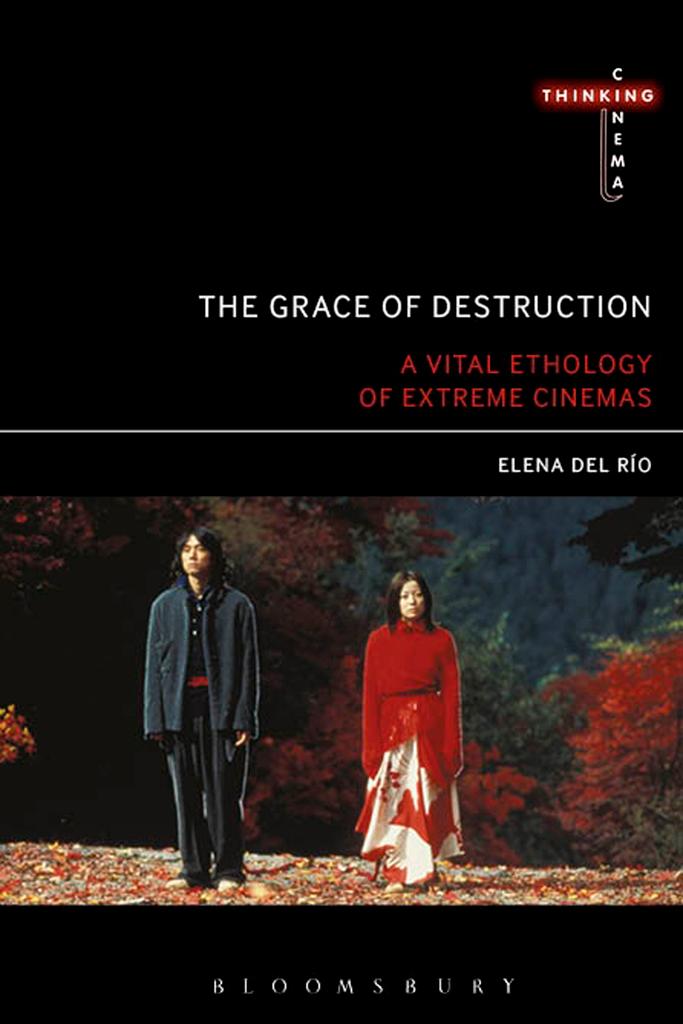
For Elena del Río, extreme cinema is not only qualitatively different from the representations of violence we encounter in popular, mainstream cinema; it also constitutes a critique of the socio-moral system that produces (in every sense of the word) such violence. Drawing inspiration from Deleuze's ethics of immanence, Spinoza's ethology of passions and Nietzsche's typology of forces, The Grace of Destruction examines the affective extremities common in much of global, contemporary cinema from the affirmative perspective of vital forces and situations-extremities such as moral/religious oppression, biopolitical violence, the pain involved in gender relations, the event of death and planetary extinction.
Her analysis diverges from the current literature on extreme cinema through its selection of films, which include key international examples, and through its foregrounding of relational, affective politics over representations of sexuality and graphic violence. Detailed formal and philosophical analyses of films like The White Ribbon, Dogville, Code Unknown, Battle in Heaven, Sonatine, Fireworks, Dolls, Takeshis', Inland Empire and Melancholia are meant to move us away from the moral appraisal of violence and destruction, and to compose an ethological philosophy of cinema based on Deleuze's idea that, “when truth and judgment crumble, there remain bodies, which are… nothing but forces.”
Her analysis diverges from the current literature on extreme cinema through its selection of films, which include key international examples, and through its foregrounding of relational, affective politics over representations of sexuality and graphic violence. Detailed formal and philosophical analyses of films like The White Ribbon, Dogville, Code Unknown, Battle in Heaven, Sonatine, Fireworks, Dolls, Takeshis', Inland Empire and Melancholia are meant to move us away from the moral appraisal of violence and destruction, and to compose an ethological philosophy of cinema based on Deleuze's idea that, “when truth and judgment crumble, there remain bodies, which are… nothing but forces.”
Płać wygodnie kartą, Klarną, Apple Pay lub Google Pay. Nie jesteś zadowolony? Zawsze masz 14-dniową gwarancję zwrotu pieniędzy. Więcej przeczytasz w naszych warunkach. Masz pytania? Napisz do nas na hello@memmo.org.
Memmo ułatwia naukę – gdziekolwiek jesteś na świecie. U nas znajdziesz podręczniki i sprytne narzędzia do nauki w jednym miejscu: streszczenia, quizy, podcasty i fiszki. A do tego Ted, Twój kumpel do nauki, który odpowie na wszystko, co Cię nurtuje. Ponad 50 000 studentów już tu się uczy – stworzone, byś uczył się szybciej i mniej stresował.