
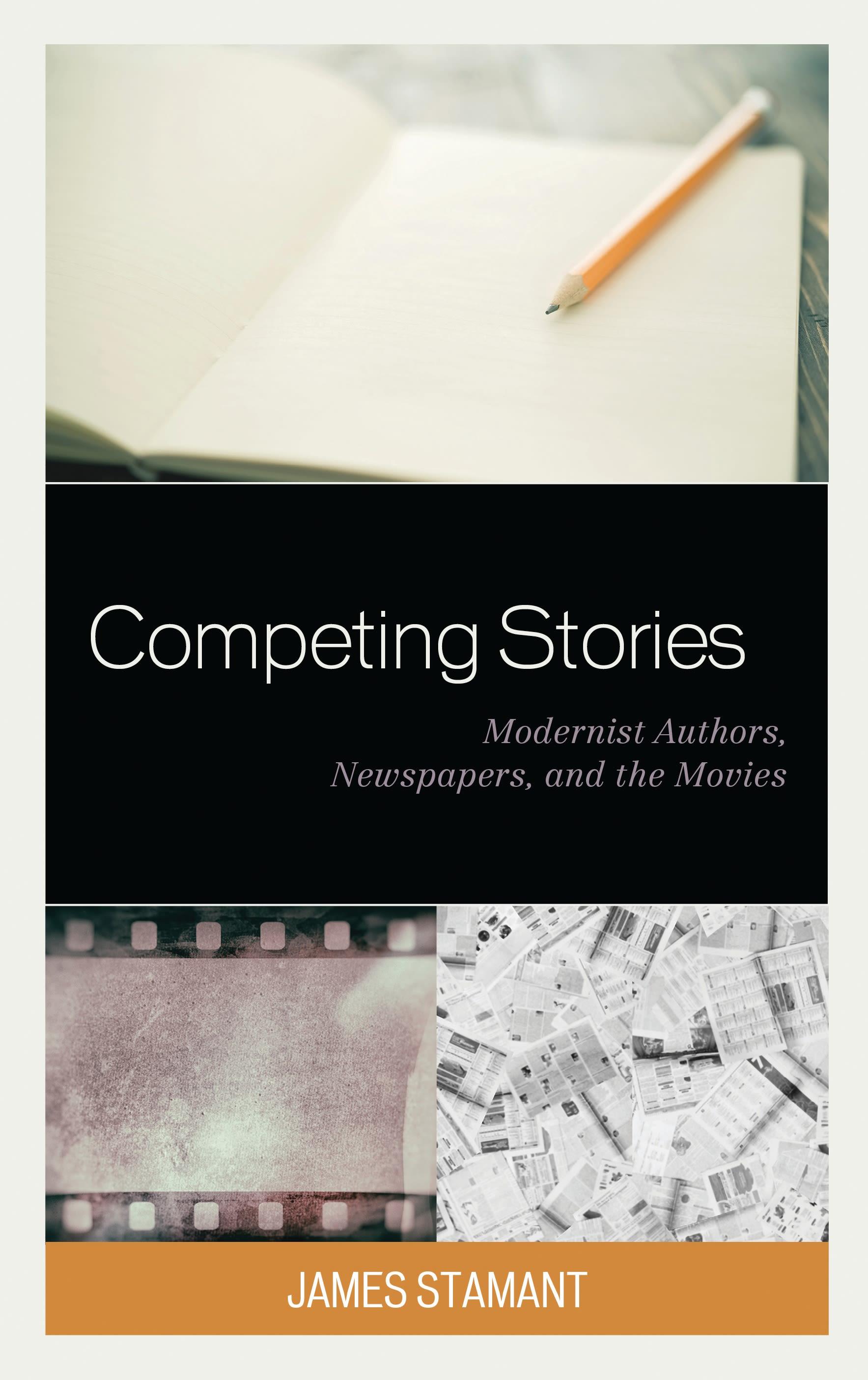
Major changes in media in the late 19th and early 20th centuries challenged traditional ideas about artistic representation and opened new avenues for authors working in the modernist period. Modernist authors’ reactions to this changing media landscape were often fraught with complications and shed light on the difficulty of negotiating, understanding, and depicting media. The author of Competing Stories: Modernist Authors, Newspapers, and the Movies argues that negative depictions of newspapers and movies, in modernist fiction, largely stem from worries about the competition for modern audiences and the desire for control over storytelling and reflections of the modern world. This book looks at a moment of major change in media, the dominance of mass media that began with the primarily visual media of newspapers and movies, and the ways that authors like Ernest Hemingway, Zora Neale Hurston, James Joyce, Djuna Barnes, and others responded. The author contends that an examination of this moment may facilitate a better understanding of the relationship between media and authorship in our constantly shifting media landscape.
Płać wygodnie kartą, Klarną, Apple Pay lub Google Pay. Nie jesteś zadowolony? Zawsze masz 14-dniową gwarancję zwrotu pieniędzy. Więcej przeczytasz w naszych warunkach. Masz pytania? Napisz do nas na hello@memmo.org.
Memmo ułatwia naukę – gdziekolwiek jesteś na świecie. U nas znajdziesz podręczniki i sprytne narzędzia do nauki w jednym miejscu: streszczenia, quizy, podcasty i fiszki. A do tego Ted, Twój kumpel do nauki, który odpowie na wszystko, co Cię nurtuje. Ponad 50 000 studentów już tu się uczy – stworzone, byś uczył się szybciej i mniej stresował.