
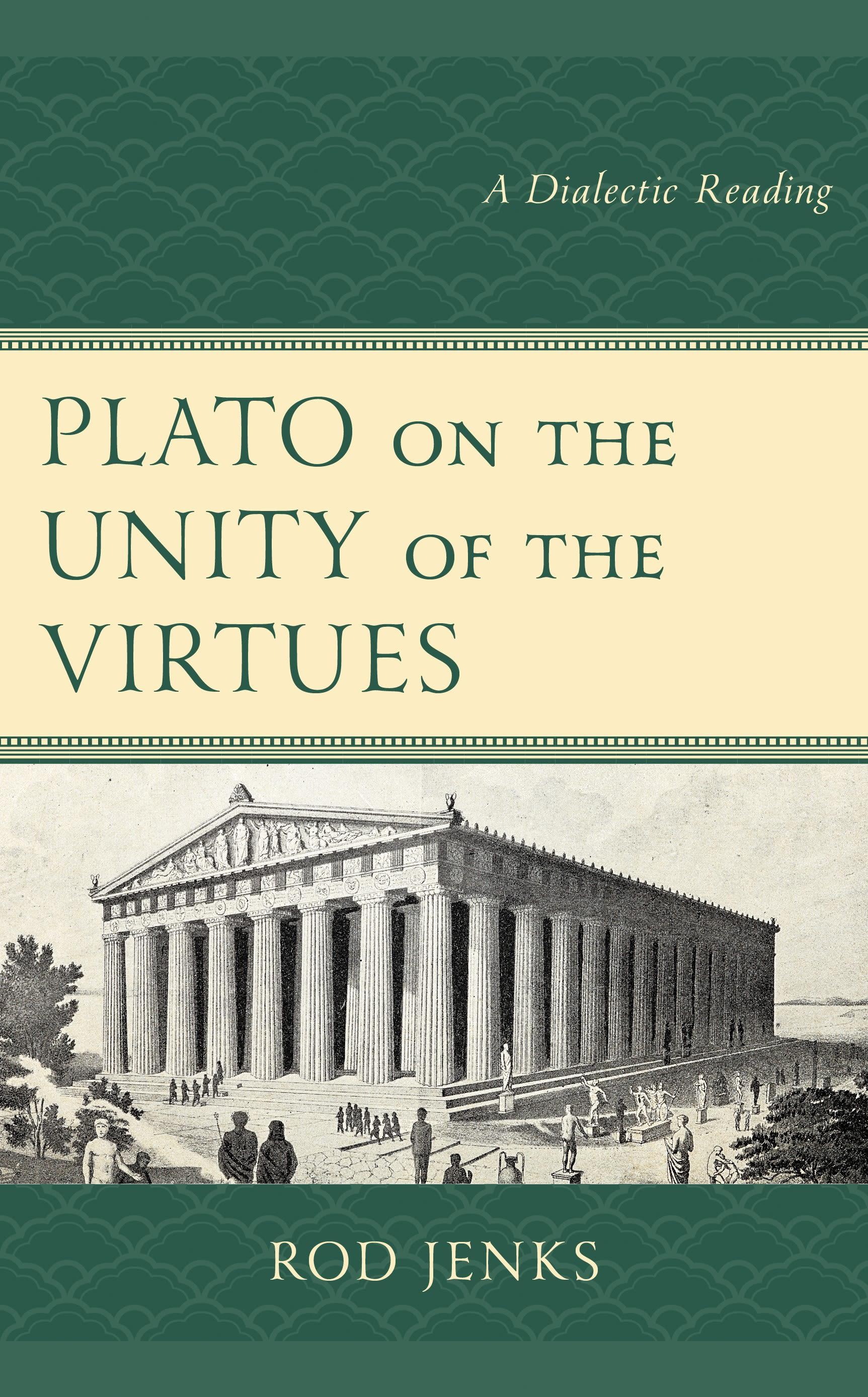
Plato, in the Protagoras, suggests that the virtues are profoundly unified yet also distinct. In Plato on the Unity of the Virtues: A Dialectic Reading, Rod Jenks argues that the way in which virtues are both one and many is finally ineffable. He shows how Plato countenances ineffability throughout his corpus. Jenks’s interpretation of Protagoras accounts for the otherwise-inexplicable inability of both Socrates and Protagoras to identify the bone of contention between them. Not only can the thesis not be argued for; it can’t even be properly stated. In this book, Jenks shows how the long exegesis on the Simonides poem is philosophically relevant. Further, he shows that both the parts-of-the-face analogy and the gold analogy are inadequate, arguing that Plato intends them to be so. Jenks explains why the unity thesis is supported by what most scholars agree are terrible arguments: that the virtues are both one and many. He explains why, despite the unity claim being profoundly elusive, Plato believes it to be crucial that we come to appreciate how virtue, which really does have parts, can also be profoundly one.
Płać wygodnie kartą, Klarną, Apple Pay lub Google Pay. Nie jesteś zadowolony? Zawsze masz 14-dniową gwarancję zwrotu pieniędzy. Więcej przeczytasz w naszych warunkach. Masz pytania? Napisz do nas na hello@memmo.org.
Memmo ułatwia naukę – gdziekolwiek jesteś na świecie. U nas znajdziesz podręczniki i sprytne narzędzia do nauki w jednym miejscu: streszczenia, quizy, podcasty i fiszki. A do tego Ted, Twój kumpel do nauki, który odpowie na wszystko, co Cię nurtuje. Ponad 50 000 studentów już tu się uczy – stworzone, byś uczył się szybciej i mniej stresował.