
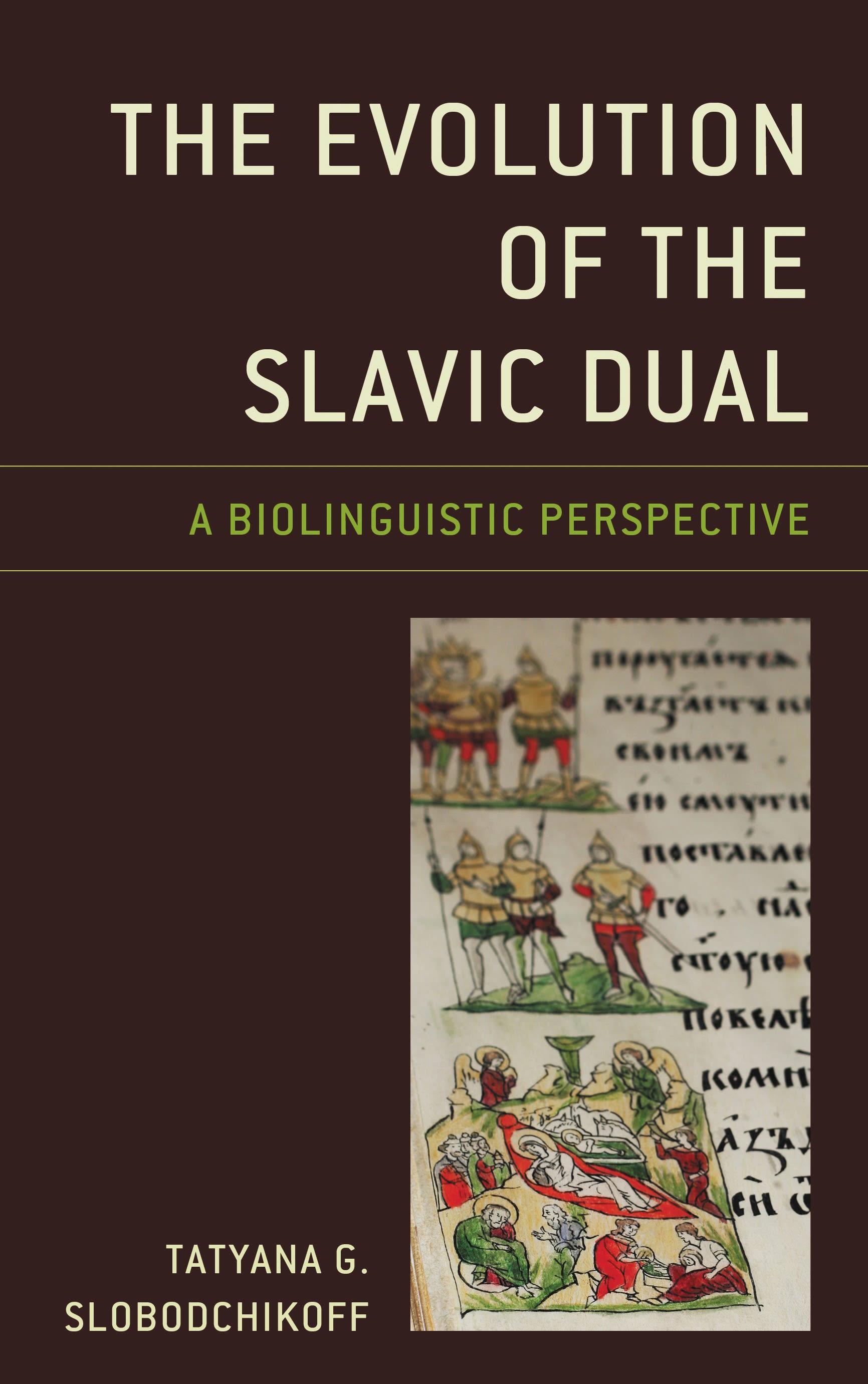
The dual number in Slavic has always puzzled linguists. While some Slavic languages, such as Slovenian, have three distinct categories of number--singular (1), dual (2), and plural (3 or more) –other Slavic languages, such as Russian, have no dual number. Considering that all Slavic languages have evolved from a common Proto Slavic language, it is puzzling that there is such a difference in the category of number. In The Evolution of the Slavic Dual: A Biolinguistic Perspective, with the aid of tools from biolinguistics, Tatyana G. Slobodchikoff develops a new theory of Morphosyntactic Feature Economy within the distributed morphology framework. Using newly digitized corpora of Old East Slavic, Old Slovenian, and Old Sorbian manuscripts spanning from the eleventh century through the present time, this book presents a thorough analysis of the evolution of dual number in Slavic languages.
Płać wygodnie kartą, Klarną, Apple Pay lub Google Pay. Nie jesteś zadowolony? Zawsze masz 14-dniową gwarancję zwrotu pieniędzy. Więcej przeczytasz w naszych warunkach. Masz pytania? Napisz do nas na hello@memmo.org.
Memmo ułatwia naukę – gdziekolwiek jesteś na świecie. U nas znajdziesz podręczniki i sprytne narzędzia do nauki w jednym miejscu: streszczenia, quizy, podcasty i fiszki. A do tego Ted, Twój kumpel do nauki, który odpowie na wszystko, co Cię nurtuje. Ponad 50 000 studentów już tu się uczy – stworzone, byś uczył się szybciej i mniej stresował.