
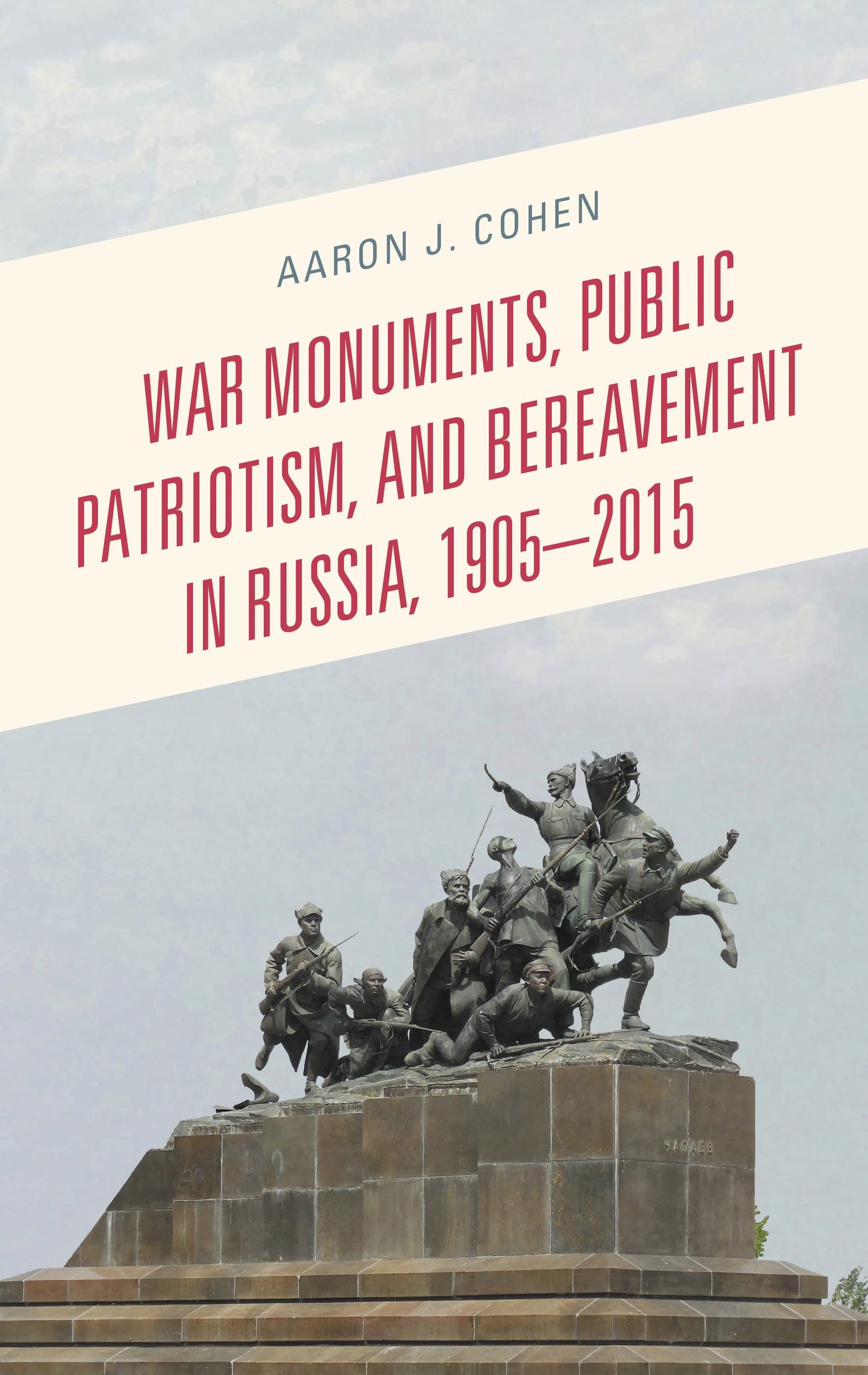
This study analyzes how public bereavement became cemented into the broad geography of Russian culture with the appearance of experiential and local memorials in the 1960s after a half century of instability, contestation, and absence. The author shows how monument builders responded to a need from the population to share an accessible war experience apart from the exclusive Bolshevik memorial culture. He argues that this development of war commemoration has amplified the role of war hero memorialization as an anchor of public stability and social solidarity in Putin’s Russia, where there is little consensus about the past, present, or future.
Płać wygodnie kartą, Klarną, Apple Pay lub Google Pay. Nie jesteś zadowolony? Zawsze masz 14-dniową gwarancję zwrotu pieniędzy. Więcej przeczytasz w naszych warunkach. Masz pytania? Napisz do nas na hello@memmo.org.
Memmo ułatwia naukę – gdziekolwiek jesteś na świecie. U nas znajdziesz podręczniki i sprytne narzędzia do nauki w jednym miejscu: streszczenia, quizy, podcasty i fiszki. A do tego Ted, Twój kumpel do nauki, który odpowie na wszystko, co Cię nurtuje. Ponad 50 000 studentów już tu się uczy – stworzone, byś uczył się szybciej i mniej stresował.