
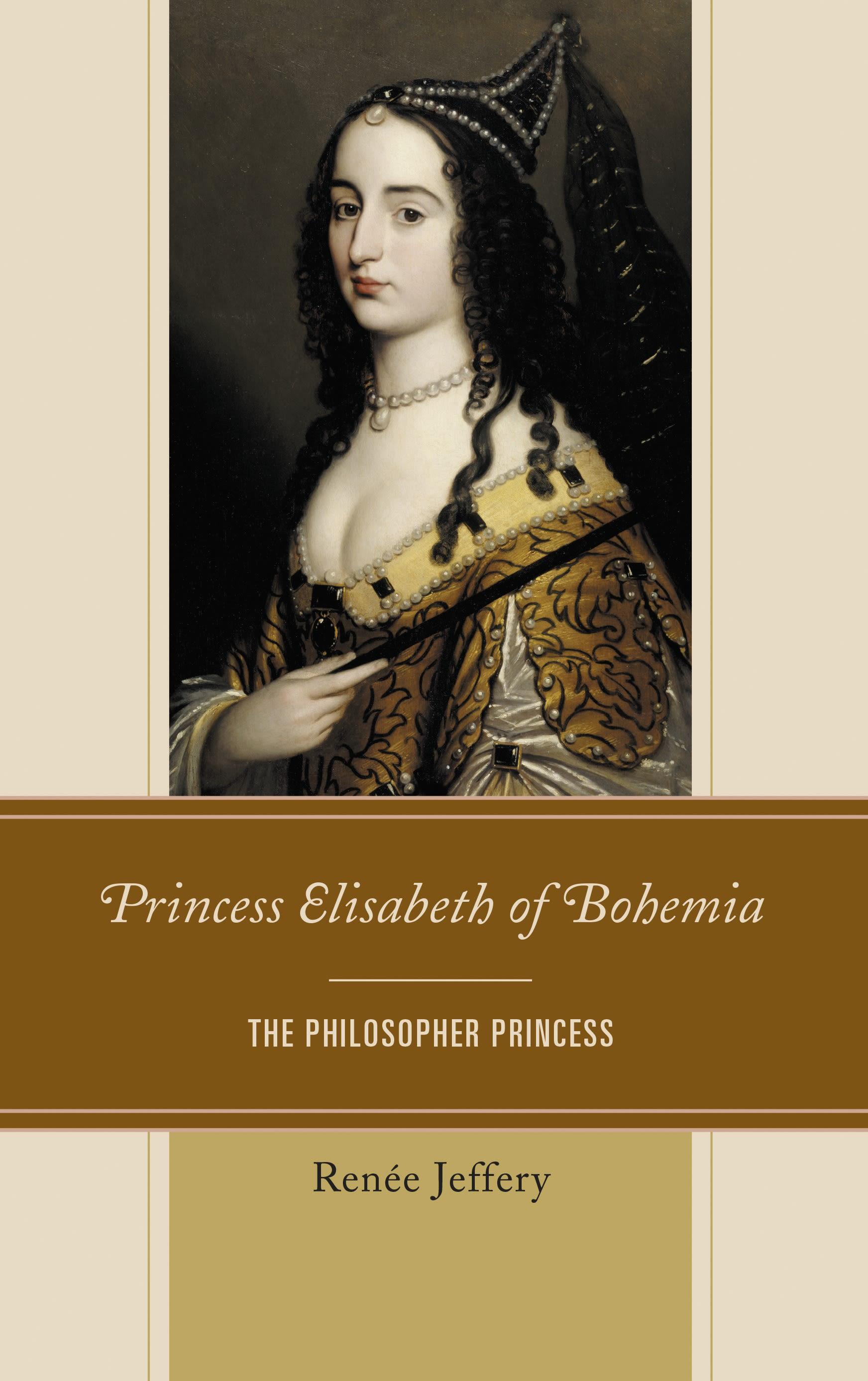
Elisabeth of Bohemia (1618–1680) was the daughter of the Elector Palatine, Frederick V, King of Bohemia, and Elizabeth Stuart, the daughter of King James VI and I of Scotland and England. A princess born into one of the most prominent Protestant dynasties of the age, Elisabeth was one of the great female intellectuals of seventeenth-century Europe. This book examines her life and thought. It is the story of an exiled princess, a grief-stricken woman whose family was beset by tragedy and whose life was marked by poverty, depression, and chronic illness. It is also the story of how that same woman’s strength of character, unswerving faith, and extraordinary mind saw her emerge as one of the most renowned scholars of the age. It is the story of how one woman navigated the tumultuous waters of seventeenth-century politics, religion, and scholarship, fought for her family’s ancestral rights, and helped established one of the first networks of female scholars in Western Europe.
Drawing on her correspondence with René Descartes, as well as the letters, diaries, and writings of her family, friends, and intellectual associates, this book contributes to the recovery of Elisabeth’s place in the history of philosophy. It demonstrates that although she is routinely marginalized in contemporary accounts of seventeenth-century thought, overshadowed by the more famous male philosophers she corresponded with, or dismissed as little more than a “learned maiden,” Elisabeth was a philosopher in her own right who made a significant contribution to modern understandings of the relationship between the body and the mind, challenged dominant accounts of the nature of the emotions, and provided insightful commentaries on subjects as varied as the nature and causes of illness to the essence of virtue and Machiavelli’s The Prince.
Drawing on her correspondence with René Descartes, as well as the letters, diaries, and writings of her family, friends, and intellectual associates, this book contributes to the recovery of Elisabeth’s place in the history of philosophy. It demonstrates that although she is routinely marginalized in contemporary accounts of seventeenth-century thought, overshadowed by the more famous male philosophers she corresponded with, or dismissed as little more than a “learned maiden,” Elisabeth was a philosopher in her own right who made a significant contribution to modern understandings of the relationship between the body and the mind, challenged dominant accounts of the nature of the emotions, and provided insightful commentaries on subjects as varied as the nature and causes of illness to the essence of virtue and Machiavelli’s The Prince.
Płać wygodnie kartą, Klarną, Apple Pay lub Google Pay. Nie jesteś zadowolony? Zawsze masz 14-dniową gwarancję zwrotu pieniędzy. Więcej przeczytasz w naszych warunkach. Masz pytania? Napisz do nas na hello@memmo.org.
Memmo ułatwia naukę – gdziekolwiek jesteś na świecie. U nas znajdziesz podręczniki i sprytne narzędzia do nauki w jednym miejscu: streszczenia, quizy, podcasty i fiszki. A do tego Ted, Twój kumpel do nauki, który odpowie na wszystko, co Cię nurtuje. Ponad 50 000 studentów już tu się uczy – stworzone, byś uczył się szybciej i mniej stresował.